

Are massage guns bad for you? No—massage guns are generally safe and beneficial when used correctly. These devices have become popular for relieving muscle soreness, improving circulation, and speeding up recovery. However, like any wellness tool, improper use can lead to discomfort or even injury. That’s why understanding how to use them safely is essential.
High-quality devices, such as those from Back Hero USA, are designed with controlled intensity and ergonomic features to minimize risks while maximizing benefits. In this article, we’ll explore safety, potential risks, and how to use massage guns the right way.
In this article
Are Massage Guns Safe to Use?

General Safety Overview
Massage guns use percussive therapy, delivering rapid pulses into muscle tissue to stimulate blood flow and reduce tightness. For most healthy individuals, this method is both safe and effective when used properly.
Scientific and fitness communities generally agree that controlled percussive therapy can:
- Improve muscle recovery
- Reduce delayed onset muscle soreness (DOMS)
- Enhance mobility and flexibility
Benefits When Used Properly
When applied correctly, massage guns offer several advantages:
- Faster recovery: Helps flush out lactic acid after workouts
- Pain relief: Reduces muscle knots and stiffness
- Improved circulation: Enhances oxygen and nutrient delivery
- Convenience: Allows at-home therapy without professional massage
Best Practices for Safe Use
To maximize safety:
- Start with low speed and gradually increase intensity
- Use the device for 1–2 minutes per muscle group
- Keep the massage gun moving continuously
- Stay on muscle tissue only, not bones or joints
Why Device Quality Matters
High-quality massage guns (like Back Hero USA) provide:
- Consistent and stable percussion
- Adjustable intensity levels
- Reduced vibration shock
This ensures a smoother and safer experience compared to low-quality devices.
Potential Risks of Massage Guns
Are massage guns bad for you? Understanding the full picture
Massage guns are not inherently harmful, but improper use can lead to several risks.
1. Overuse and Muscle Irritation
Using a massage gun excessively can:
- Overstimulate muscles
- Cause microtrauma
- Lead to prolonged soreness instead of relief
More is not always better—recovery requires balance.
2. Applying Too Much Pressure
A common misconception is that harder pressure equals better results. In reality:
- Excess force can damage soft tissue
- It may lead to bruising or inflammation
- It can worsen muscle tightness
3. Targeting Unsafe Areas
Avoid using massage guns on:
- Spine and neck arteries
- Joints and bones
- Injured or swollen areas
These regions are more sensitive and prone to injury.
4. Underlying Health Conditions
Certain conditions increase risk:
- Blood clots (DVT)
- Varicose veins
- Nerve disorders
- Acute injuries
Without medical guidance, use in these cases may be unsafe.
5. Poor Technique
Incorrect usage habits include:
- Holding the device in one spot too long
- Using high intensity immediately
- Not adjusting speed for different muscle groups
6. Low-Quality Devices
Cheap massage guns may:
- Deliver uneven or harsh vibrations
- Lack proper control settings
- Increase discomfort and misuse risk
So, are massage guns bad for you? They can be if used incorrectly—but proper technique eliminates most risks.
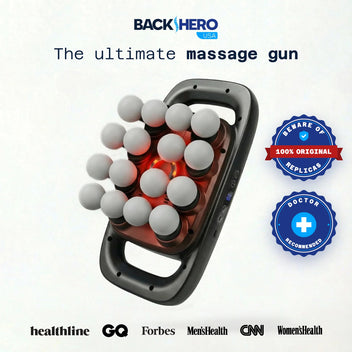
When your back, shoulders, and legs feel tight after a long day, this is your go-to reset. The Back Hero US...
Who Should Avoid Massage Guns?

Are massage guns bad for you in specific situations?
Yes — while massage guns are generally safe, certain individuals should avoid them or use them only under professional guidance. Understanding these situations helps prevent unnecessary risks and ensures safe recovery.
1. People with Circulatory Conditions
If you have issues related to blood flow, using a massage gun can be risky.
Avoid use if you have:
- Blood clots (DVT)
- Severe varicose veins
The strong vibrations may dislodge a clot or worsen vein conditions, potentially leading to serious complications. In these cases, it’s best to avoid massage guns entirely unless a doctor approves their use.
2. Post-Injury or Surgery Recovery
Massage guns can feel helpful after an injury—but timing is critical.
Using them too early may:
- Disrupt healing tissues
- Increase swelling and inflammation
- Delay the natural recovery process
Always wait until the acute phase of healing has passed and get clearance from a healthcare professional before introducing percussion therapy.
3. Pregnant Individuals
Massage guns are not strictly forbidden during pregnancy, but they require extra caution.
Safety tips:
- Avoid the lower back and abdominal area
- Use only on approved muscle groups (like shoulders or legs)
- Consult a doctor before use
This is important because certain pressure points and vibrations may stimulate unwanted physical responses.
4. People with Chronic Conditions
Some long-term health conditions make the body more sensitive to external pressure and vibration.
Use caution if you have:
- Osteoporosis (fragile bones)
- Neuropathy or nerve sensitivity
- Severe muscle damage or chronic pain disorders
These conditions can make tissues more vulnerable to damage, so even moderate intensity may cause discomfort or injury.
5. Individuals with Low Pain Tolerance
Massage guns can feel intense, especially for beginners or sensitive users.
If you’re sensitive to pressure:
- Start with the lowest speed setting
- Use softer attachments
- Limit sessions to short durations
Pay close attention to how your body reacts, and gradually increase intensity only if it feels comfortable.
6. When to Consult a Professional
If you’re unsure whether a massage gun is safe for you, it’s always better to ask.
Consult a doctor if you:
- Have any pre-existing medical condition
- Feel unusual or persistent pain during use
- Are recovering from injury or surgery
- Are unsure about proper technique
A quick consultation can help you avoid long-term issues. So again, are massage guns bad for you? Not for most people—but certain conditions require extra caution.
Signs You’re Using a Massage Gun Incorrectly

Are massage guns bad for you if used wrong?
Yes—and your body will usually give warning signs.
1. Pain Gets Worse Instead of Better
Massage guns should relieve tension, not increase it.
Warning signs:
- Sharp or stabbing pain
- Muscles feel tighter after use
This often means you’re applying too much pressure, using the wrong angle, or staying too long on one spot.
2. Bruising or Skin Sensitivity
Visible marks are a clear sign of overuse.
Look out for:
- Bruising
- Redness or tenderness
- Inflamed areas
These symptoms suggest the intensity is too high or the device is being used incorrectly on sensitive areas.
3. Numbness or Tingling
This is a sign of nerve irritation, not recovery.
It usually happens when:
- You use the device near joints or nerves
- You apply too much pressure
Stop immediately if you experience these sensations and allow your body to recover.
4. Excessive Itching or Irritation
A mild itching sensation can happen due to increased blood circulation — this is normal.
However:
- Strong itching
- Burning or uncomfortable irritation
may indicate overstimulation or overly aggressive use.
5. No Improvement Over Time
If you’re not seeing benefits:
- You may be using the wrong technique
- Or targeting the wrong muscle groups
Ultimately, are massage guns bad for you? Only when used incorrectly or without awareness.
The Ultimate At-Home Recovery Tool: Back Hero USA 16-Head Massage Gun

If you’re looking for a safe and effective way to enjoy the benefits of percussive therapy, the Back Hero USA 16-Head Massage Gun stands out as a powerful yet user-friendly option.
Full-Area Muscle Coverage
Unlike traditional massage guns with a single head, this device features a 16-head design, allowing you to cover larger muscle groups more evenly. This helps reduce the risk of over-concentrating pressure on one spot—making it safer and more comfortable for daily use.
Deep, Even Muscle Relief
The multi-head system delivers a balanced, massage-like experience, helping loosen tight muscles without excessive force. This is especially useful for beginners who may worry, “Are massage guns bad for you?”—because the design naturally distributes pressure more gently.
Portable & Easy to Use
- Lightweight and ergonomic grip
- Simple controls for quick intensity adjustment
- Suitable for use at home, office, or while traveling
This makes it ideal for both active individuals and people dealing with daily stiffness from desk work.
Designed for Safety & Comfort
Back Hero USA focuses on:
- Controlled intensity levels
- Smooth and consistent vibration
- Reduced harsh impact compared to cheaper devices
These features help minimize common risks like bruising or overstimulation.
Who Is It Best For?
- Athletes needing faster recovery
- Office workers with neck and shoulder tension
- Anyone looking for convenient at-home muscle relief
Conclusion
So, are massage guns bad for you? For the vast majority of users, the answer is no. When used properly, they are a safe and effective tool for muscle recovery, pain relief, and relaxation. However, incorrect use, excessive pressure, or underlying medical conditions can increase risks. The key is to use the device responsibly—start slow, follow proper techniques, and listen to your body.
Choosing a high-quality massage gun also makes a significant difference in safety and results. Used correctly, massage guns are not harmful—they are a powerful addition to any recovery routine.
Learn more news, tips, products, and special promotions by staying tuned to our blog, Facebook, and Instagram. If you have any questions about our products or services, please don’t hesitate to reach out to us at support@backherousa.com. Our dedicated care team is available 24/7 and always happy to assist you.
Frequently Asked Questions
1. Can massage guns cause long-term damage?
Not when used correctly. Long-term damage usually only occurs with consistent misuse.
2. How often should I use a massage gun?
You can use it daily, but keep sessions short (10–15 minutes total).
3. Is it normal to feel sore after using a massage gun?
Mild soreness is normal, but strong pain is a sign of overuse.
4. Can beginners safely use massage guns?
Yes—start with low intensity and gradually increase as needed.
5. Do expensive massage guns make a difference?
Yes, higher-quality devices offer better control, smoother performance, and improved safety.

