

At What Age Does Kyphosis Usually Start? Most people first notice signs of kyphosis during adolescence, especially between ages 10 and 17, when growth spurts can exaggerate posture imbalances. However, kyphosis can begin at any age—from congenital cases in infants to age-related curvature in adults over 50. Understanding when kyphosis typically appears helps you identify early warning signs, take preventive steps, and support long-term spine health.
In this Back Hero USA guide, we explore the typical ages kyphosis begins, why certain age groups are more vulnerable, and how posture habits, bone strength, and lifestyle factors influence spinal curvature. Whether you’re a parent, teen, adult, or senior, knowing the onset pattern empowers you to manage kyphosis more confidently and effectively.
In this article
At What Age Does Kyphosis Usually Start?

Kyphosis, or abnormal forward curvature of the spine, can develop at different stages of life. The age at which it typically starts depends on the type of kyphosis.
1. Adolescents (Ages 12–16)
- Common Types: Postural kyphosis and Scheuermann’s kyphosis.
- Why It Occurs: Rapid growth during teenage years can highlight posture issues or structural changes in the spine.
- Key Point: Early detection is important for effective posture correction and physical therapy.
2. Infants and Young Children
- Cause: Usually due to congenital spine abnormalities.
- Concern: Early-onset kyphosis may progress quickly, so medical monitoring is often required.
3. Adults
- Causes: Muscle weakness, spinal degeneration, long-term poor posture, or injuries.
- Typical Onset: Kyphosis commonly appears after age 40.
- Prevention/Treatment: Strengthening exercises, posture improvement, and lifestyle adjustments can help slow progression.
4. Seniors (Around Age 50+)
- Risk Factors: Osteoporosis, vertebral fractures, chronic spinal wear.
- Progression: Curvature may increase over time due to bone density loss.
- Management: Early awareness, physical therapy, and medical evaluation are crucial for maintaining mobility and spinal health.
Types of Kyphosis and the Age They Commonly Begin
At What Age Does Kyphosis Usually Start? The answer varies depending on the type of kyphosis, since each form has distinct causes and age patterns. Below is a clear breakdown of when each type typically begins.
1. Postural Kyphosis
Postural kyphosis, the most common type, usually begins during adolescence—often between ages 10 and 17. It develops slowly due to prolonged slouching, screen time, weak core muscles, and poor sitting habits. Because this type is flexible and related to daily posture, it often improves with strengthening and awareness training.
2. Scheuermann’s Kyphosis
Scheuermann’s kyphosis is a structural curvature that typically begins around ages 12 to 16 during rapid growth spurts. Vertebrae become wedge-shaped, causing a more rigid and noticeable hump. This form affects boys slightly more often and may require bracing or physiotherapy during adolescence for best results.
3. Congenital Kyphosis
This type is present at birth due to malformed or fused vertebrae. Symptoms may appear in infancy or early childhood as the spine develops. Congenital kyphosis can progress quickly, making early diagnosis essential. Treatment may include monitoring, bracing, or surgical correction depending on severity.
4. Degenerative or Age-Related Kyphosis
Common after age 50, this type develops gradually due to osteoporosis, spinal disc degeneration, or weakened back muscles. It is often seen in older women following menopause when bone density declines. Early lifestyle support—including strength training and posture correction—can slow progression.
5. Traumatic Kyphosis
This form can begin at any age following a spinal fracture or injury. Adults involved in accidents or high-impact sports are especially at risk. The curvature may appear immediately or worsen over time if the spine does not heal correctly.
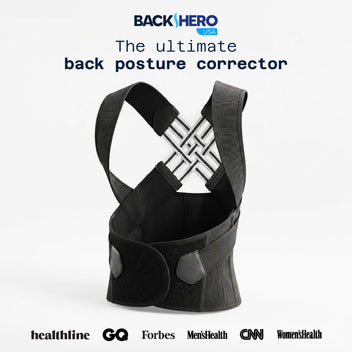
Back Hero USA Posture Corrector for Women & Men designed to heal, relieve upper back pain, and correct poor...
Early Signs of Kyphosis by Age Group

Recognizing early symptoms makes it easier to understand At What Age Does Kyphosis Usually Start for different age groups. The earlier the signs are identified, the more effective the intervention.
Infants & Children (0–10 years)
Early signs may include noticeable spinal curvature, uneven shoulders, or difficulty standing straight. These occur mainly in congenital kyphosis or early structural abnormalities. Children may not complain of pain, making visual cues more important.
Teens (10–18 years)
This group is the most common for new-onset kyphosis. Signs include rounded shoulders, visible upper-back hump, fatigue after sitting, back pain during sports, and difficulty maintaining upright posture. Growth spurts often exaggerate poor posture, making symptoms more noticeable.
Adults (20–50 years)
Adults may experience chronic stiffness, muscle fatigue, persistent slouching, or increased upper-back rounding from prolonged desk work. Early signs often reflect lifestyle-related posture issues or mild disc degeneration.
Seniors (50+)
For older adults, kyphosis signs often include height loss, a forward-leaning posture, increased back pain, difficulty standing fully upright, or fractures associated with osteoporosis. Age-related kyphosis progresses gradually, sometimes unnoticed until the curvature becomes prominent.
By understanding early signs at each stage of life, people can better answer At What Age Does Kyphosis Usually Start in relation to their own symptoms and seek treatment before curvature worsens.
What Causes Kyphosis to Start at Different Ages?
The age at which kyphosis develops depends on a combination of biological, structural, and lifestyle factors. Different age groups experience different primary causes.
1. Adolescents
- Common Causes: Poor posture, weak back muscles, and vertebral changes related to rapid growth.
- Lifestyle Factors: Long hours using phones, computers, or slouching during study and screen time.
- Key Insight: Postural habits during skeletal development can trigger early curvature.
2. Infants and Young Children
- Common Causes: Congenital abnormalities such as malformed or fused vertebrae.
- Lifestyle Factors: Minimal influence; curvature is mainly structural.
- Key Insight: Early-onset kyphosis requires careful medical monitoring as growth may worsen the curve.
3. Adults (Age 40+)
- Common Causes: Spinal degeneration, weakened core and back muscles, previous injuries.
- Lifestyle Factors: Poor posture from desk jobs, prolonged sitting, or long-term slouching.
- Key Insight: Gradual changes in spine structure and muscle support lead to curvature over time.
4. Seniors (Around Age 50+)
- Common Causes: Osteoporosis leading to vertebral compression or fractures, natural age-related muscle loss.
- Lifestyle Factors: Reduced physical activity and weakened muscle support exacerbate spinal curvature.
- Key Insight: Fragile bones and decreased muscular support accelerate kyphosis progression in older adults.
Summary: Understanding the root causes of kyphosis by age helps identify early signs and tailor effective treatments, whether through posture correction, physical therapy, bracing, or lifestyle adjustments.
Risk Factors That Influence Age of Onset

Several factors determine At What Age Does Kyphosis Usually Start, and these influences vary across life stages. Poor posture habits—such as slouching, looking down at screens, or sitting for long periods—significantly increase the risk for teens and working-age adults.
Rapid growth spurts in adolescence can reveal or worsen spinal curvature, especially when combined with weak core muscles. Genetics may also predispose some individuals to structural kyphosis or vertebral abnormalities.
In older adults, osteoporosis is the top risk factor, contributing to vertebral compression fractures. A sedentary lifestyle, nutritional deficiencies, and previous spinal injuries can accelerate curvature onset.
Recognizing these risk factors helps individuals take proactive steps to reduce the likelihood or severity of kyphosis at any age.
Treatment Options Depending on Age
Treatment for kyphosis varies based on the age of onset and the underlying cause. Tailoring care to the individual’s age ensures more effective results.
1. Adolescents
-
Postural Kyphosis:
- Physical therapy and posture correction routines
- Core and back strengthening exercises
- Key Benefit: Early intervention can significantly reduce long-term curvature
-
Scheuermann’s Kyphosis:
- Bracing to guide spinal growth
- Targeted exercises and physiotherapy to complement bracing
2. Adults (Age 40+)
- Stretching and strengthening exercises to support the spine
- Ergonomic adjustments at work and home
- Lifestyle changes to reduce slouching and improve posture
- Professional evaluation for chronic pain; non-invasive treatments may be recommended
3. Seniors (Around Age 50+)
- Osteoporosis management to maintain bone health
- Gentle strengthening exercises for core and back muscles
- Pain relief strategies as needed
- Bracing to improve spinal stability
- Surgical intervention may be necessary in severe cases, such as compression fractures or extreme curvature
Understanding treatment options based on At What Age Does Kyphosis Usually Start helps ensure each age group receives targeted, effective care.
Helpful Tools for Posture Support

Posture support tools can be highly beneficial at any stage, especially once you understand At What Age Does Kyphosis Usually Start for your condition. Teens and adults dealing with postural kyphosis can improve alignment and daily comfort using posture correctors, ergonomic chairs, lumbar cushions, and adjustable desks. These tools encourage upright posture and reduce strain on the spine during long periods of sitting or studying.
For adults experiencing early degenerative changes, posture braces, core-strengthening equipment, and supportive pillows can help maintain spinal alignment and minimize discomfort. Seniors may benefit from lightweight braces, stability aids, and ergonomic back supports that reduce pressure on weakened vertebrae.
One helpful option is the Back Hero USA Posture Corrector, designed to gently guide the shoulders back, support the thoracic region, and reduce discomfort caused by slouching or curvature. These tools complement physical therapy, exercise routines, and daily mobility practices for better long-term posture health.
Key Features & Benefits:
- Instant Upright Posture: Encourages proper spinal alignment immediately after wearing.
- Tension Relief: Reduces discomfort and strain in your back, neck, and shoulders caused by slouching or long hours of sitting.
- Long-Term Muscle Training: Gradually strengthens postural muscles for sustainable alignment.
- Soft & Comfortable: Lightweight, breathable, and skin-friendly material for all-day wear.
- Physiotherapist Approved: Endorsed by experts for safe and effective posture correction.
- Discreet Design: Fits comfortably under clothing, making it perfect for everyday use.
The Back Hero USA Posture Corrector features adjustable straps that comfortably fit sizes S–2XL, making it easy for anyone to achieve the right support. It’s also available in two stylish colors: Pink and Black, so you can choose the look that fits your style.
Why Choose Back Hero USA Posture Corrector?
The Back Hero USA Posture Corrector helps restore your spine’s natural position, easing pressure off your nerves so your body can move freely again.
When your spine is straight, your nerves stay calm — no more tension, no more constant pain. Feel the difference from within — relief that’s more than just looking tall, it’s about feeling right.
Conclusion
Understanding At What Age Kyphosis Usually Starts is essential for early detection and effective management. While kyphosis can begin at any age—from birth to late adulthood—most cases appear during adolescence or older adulthood. Recognizing symptoms early, addressing lifestyle habits, and seeking professional guidance can slow progression and improve comfort.
With the right combination of posture support, physical therapy, and preventive care, individuals of all ages can maintain a stronger, healthier spine. Awareness is the first step toward better posture and long-term spine wellness.
Frequently Asked Questions
1. At what age does kyphosis usually start?
Most commonly during adolescence (ages 10–17) or in older adults over 50.
2. Can kyphosis start in early childhood?
Yes—congenital kyphosis can appear in infancy or early childhood.
3. Does kyphosis always get worse with age?
Not always. With early treatment and lifestyle adjustments, progression can be slowed or stabilized.
4. Can adults suddenly develop kyphosis?
Yes, especially after trauma, poor posture over time, or age-related spinal degeneration.
5. Is kyphosis reversible?
Postural kyphosis is often reversible with exercise and posture correction. Structural types are harder to reverse but can be managed.

