

Back Pain in Women: 8 Common Conditions & Effective Treatment Options is a guide to understanding why back pain occurs, how it manifests, and what can be done to relieve it. Women are prone to back pain due to a combination of physiological, hormonal, and lifestyle factors. Pregnancy, menopause, muscle weakness, or sedentary habits can all contribute. Recognizing the underlying causes is essential for effective management and prevention.
The Back Hero USA guide provides practical strategies for women to reduce discomfort, improve posture, strengthen supporting muscles, and maintain long-term spinal health. By combining targeted exercises, lifestyle adjustments, and posture support tools, women can manage pain effectively and prevent recurring issues while supporting overall back wellness.
In this article
8 Common Conditions Causing Back Pain in Women

Understanding back pain in women requires identifying the most frequent underlying conditions.
1. Muscle Strain and Ligament Injuries
One of the most common causes of back pain in women is muscle strain or ligament injuries. Repetitive movements, lifting heavy objects, sudden twisting, or overexertion can strain muscles and ligaments in the back, leading to localized pain, stiffness, and discomfort. Women with weak core or postural muscles are especially prone to this type of injury, as the back has to compensate for lack of support.
2. Herniated or Degenerative Discs
Discs in the lumbar spine can herniate or degenerate over time, compressing nearby nerves and causing pain that may radiate to the legs, along with numbness or tingling. This type of back pain in women is often aggravated by bending, lifting, or prolonged sitting, and may limit mobility if left untreated.
3. Osteoporosis and Vertebral Compression Fractures
Postmenopausal women are at higher risk for osteoporosis, which weakens bones and increases susceptibility to vertebral compression fractures. These fractures can trigger sudden, sharp back pain, height loss, and structural changes in the spine. Awareness and early bone health management are crucial to reduce risks.
4. Pregnancy-Related Back Pain
Pregnancy significantly alters a woman’s body, shifting the center of gravity and stretching ligaments to accommodate the growing uterus. These changes, combined with weakened abdominal and core muscles, often result in lower back pain. Postpartum recovery can prolong discomfort if the muscles and spine are not properly rehabilitated.
5. Endometriosis and Gynecological Conditions
Gynecological issues such as endometriosis, uterine fibroids, or pelvic inflammatory disease can cause chronic or intermittent lower back pain. This pain sometimes radiates to the hips or pelvic area and may coincide with menstrual cycles or other reproductive symptoms, making diagnosis and management important.
6. Fibromyalgia
Fibromyalgia is a chronic condition that disproportionately affects women and causes widespread musculoskeletal pain. Back pain is often persistent and accompanied by fatigue, sleep disturbances, and sensitivity, making daily activities challenging.
7. Kidney and Urinary Tract Issues
Urinary tract infections or kidney stones can result in referred lower back pain, often accompanied by urinary symptoms such as burning, frequency, or flank discomfort. Prompt treatment is necessary to prevent complications.
8. Postural and Lifestyle Factors
Modern sedentary lifestyles contribute significantly to back pain in women. Prolonged sitting, poor posture, inadequate ergonomics at work or home, and improper lifting techniques all strain back muscles, leading to chronic discomfort. Regular movement, posture awareness, and ergonomic adjustments are essential preventive measures.
By understanding and recognizing these eight conditions, women can take proactive steps to manage back pain in women effectively. Combining targeted treatment, preventive exercises, lifestyle adjustments, and supportive tools promotes spine health, reduces discomfort, and enhances overall quality of life.
Risk Factors Unique to Women
Certain factors make back pain in women more likely.
1. Hormonal Fluctuations
Menstrual cycles, pregnancy, and menopause affect ligaments, bone density, and muscle tone, increasing susceptibility to back discomfort.
2. Pregnancy and Postpartum Changes
Pregnancy shifts the center of gravity, stretches abdominal and pelvic muscles, and can strain the lumbar region. Weak postpartum core muscles may prolong pain.
3. Gynecological Conditions
Endometriosis, uterine fibroids, or pelvic infections can trigger chronic or intermittent back pain.
4. Lifestyle and Occupational Risks
Prolonged sitting, poor posture, heavy lifting, and repetitive movements further increase strain. Sedentary habits weaken supporting muscles, contributing to discomfort.
Understanding these risk factors helps women identify causes of back pain in women and apply preventive measures, such as targeted exercises, posture correction, and lifestyle adjustments, for long-term spinal health.
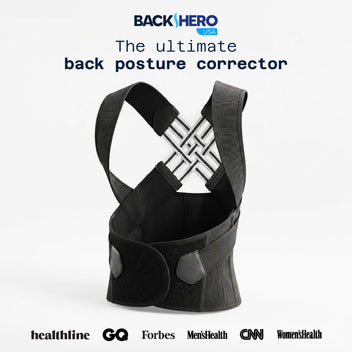
Back Hero USA Posture Corrector for Women & Men designed to heal, relieve upper back pain, and correct poor...
Symptoms and Warning Signs

Back pain in women often presents with a combination of symptoms:
1. Pain Characteristics
Aching, sharp, or shooting pain in the lower or upper back is common. Pain may worsen after sitting, standing, or physical activity.
2. Nerve-Related Signs
Numbness, tingling, or weakness in the legs can indicate nerve involvement, such as herniated discs or spinal stenosis.
3. Posture and Mobility Changes
Fatigue, decreased flexibility, and visible changes in posture may accompany ongoing discomfort.
4. Red Flags
Severe or sudden pain, especially with bladder or bowel issues, requires immediate medical attention. Fever or unexplained weight loss may signal underlying conditions.
Recognizing these signs and understanding back pain in women allows for early intervention, targeted treatment, and prevention of long-term complications.
Effective Treatment Options

Addressing back pain in women requires a multi-pronged approach.
1. Lifestyle and Self-Care
Maintaining proper posture, adjusting ergonomics, and taking frequent movement breaks reduce spinal strain. Weight management and regular physical activity support overall back health.
2. Exercise and Physical Therapy
Targeted exercises strengthen the core, glutes, and back muscles, restore mobility, and prevent recurring strain. Stretching the hamstrings, hip flexors, and spine improves flexibility and posture.
3. Medication and Pain Management
NSAIDs, topical treatments, or muscle relaxants can relieve short-term pain. Persistent or severe pain may require prescription medication.
4. Alternative Therapies
Massage, acupuncture, and yoga reduce muscle tension, improve circulation, and alleviate chronic discomfort.
5. Surgical or Minimally Invasive Options
For structural conditions like herniated discs or compression fractures, imaging-guided procedures or surgery may be recommended when conservative approaches fail.
6. Posture Support Tools
Devices like the Back Hero USA Posture Corrector support proper alignment, reduce strain, and reinforce good posture habits throughout the day, complementing exercises and lifestyle modifications.
Combining these strategies provides both immediate relief and long-term improvements for back pain in women, targeting underlying causes and promoting spinal health.
Recommended for Women: Back Hero USA Posture Corrector

If you’re a woman struggling with bad sitting habits or slouching during work, study, or daily activities, the Back Hero USA Posture Corrector is designed to support you. This device gently guides your spine into proper alignment, helping prevent tension, discomfort, and long-term strain caused by poor posture.
1. Supports Natural Spine Alignment
The Back Hero helps maintain the natural curves of your upper and lower back. It prevents slouching, forward-head posture, and rounded shoulders—common posture issues that affect women who spend long hours sitting or working at a desk.
2. Reduces Muscle Fatigue
By providing proper support, it eases tension in the neck, shoulders, and upper back. You can sit, work, or study longer without discomfort or fatigue.
3. Trains Good Posture Habits
Wearing the Back Hero regularly encourages muscle memory, so your body gradually adapts to maintain proper posture naturally, even without the device.
4. Comfortable for Everyday Use
Lightweight and adjustable, it fits comfortably under clothing at home, in the office, or during light activity. Works perfectly with ergonomic chairs and desk setups.
5. Protects Long-Term Spine Health
By supporting alignment and reducing strain, the Back Hero helps prevent pain, stiffness, and muscle imbalance that often develop from prolonged poor posture
The Back Hero USA Posture Corrector fits sizes S–2XL with adjustable straps and comes in two stylish colors, Pink and Black, so you can choose a look that suits your style. It’s a practical, everyday solution for women who want to improve posture, reduce discomfort, and maintain a healthy spine.
Conclusion
Back pain in women can result from a variety of causes, including muscle strain, hormonal changes, pregnancy, gynecological issues, and lifestyle factors. Recognizing the symptoms and risk factors early is key to effective management. Preventive measures like posture correction, targeted exercises, ergonomic adjustments, and lifestyle modifications can reduce discomfort and prevent progression.
Frequently Asked Questions
1. What are the most common causes of back pain in women?
Muscle strain, pregnancy, menopause, gynecological issues, and poor posture are among the most frequent causes.
2. Can pregnancy cause back pain in women?
Yes, weight gain, ligament changes, and postural shifts during pregnancy often cause lumbar discomfort.
3. How does posture affect back pain in women?
Poor posture and prolonged sitting strain muscles and ligaments, contributing to chronic back pain.
4. Can the Back N Spine Back Hero Posture Corrector help?
Yes, it supports spinal alignment, reduces strain, and reinforces proper posture habits.
5. When should a woman see a doctor for back pain?
Seek medical help for severe, persistent pain, nerve symptoms, or bladder/bowel changes.

