

Can Anxiety Cause a Stiff Neck? Yes — anxiety can directly contribute to neck stiffness by causing ongoing muscle tension, shallow breathing, and heightened stress responses in the body. When anxiety keeps your muscles in a constant “alert” state, the neck and shoulders are often the first areas affected. Over time, this tension can lead to discomfort, reduced mobility, and even headaches.
In this Back Hero USA guide, we’ll explain how anxiety impacts the neck, why the stiffness happens, and what you can do to relieve it effectively.
In this article
What is a Stiff Neck?

A stiff neck is a common condition characterized by tightness, soreness, or limited movement in the neck area. It often makes turning your head uncomfortable or painful and may worsen after periods of rest or stress.
Common signs of a stiff neck include:
- Tight or tense neck muscles
- Reduced range of motion
- Dull aching or sharp pain
- Discomfort spreading to the shoulders or upper back
A stiff neck can be caused by poor posture, muscle strain, sleeping in an awkward position, or prolonged screen use. However, emotional stress and anxiety are also frequent triggers, as they cause muscles to remain contracted for long periods. While most cases are temporary, recurring stiffness may signal an underlying issue that needs attention, especially if it interferes with daily activities or sleep.
What is Anxiety and How Does It Affect the Body?
Anxiety is not only a mental condition — it is a full-body response triggered by the nervous system. When anxiety appears, the body shifts into “fight-or-flight” mode, even when no physical danger is present.
How Anxiety Affects the Body
When anxiety is activated, several physical changes occur:
- Release of stress hormones such as cortisol and adrenaline
- Increased muscle tension throughout the body
- Faster, shallower breathing
- Heightened alertness and sensitivity
These responses are designed for short-term survival. However, when anxiety becomes frequent or chronic, the body stays in a constant state of tension.
Why Physical Symptoms Develop
Over time, prolonged stress responses can lead to:
- Tight muscles that do not fully relax
- Reduced blood flow to tense areas
- Increased soreness and stiffness
This is why many people begin to wonder, can anxiety cause a stiff neck. The neck and shoulders are especially vulnerable because they naturally tense during stress, making them common sites of anxiety-related discomfort.
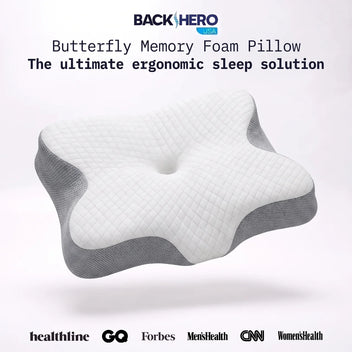
Back N Spine Butterfly Memory Foam Neck Pillow supports neck and spine alignment, relieves pressure, and en...
Can Anxiety Cause a Stiff Neck?
Yes, anxiety can cause a stiff neck, and the connection is well supported by how the body reacts to stress. Anxiety causes muscles to tighten automatically, particularly in the neck, shoulders, and upper back.
Muscle Tension as a Primary Cause
When anxiety is present:
- Neck muscles contract to protect the spine and nerves
- Muscles remain tense for long periods without relaxation
- Flexibility and range of motion gradually decrease
This prolonged tension is a major reason why anxiety-related neck stiffness develops.
The Role of Breathing and Posture
Anxiety often leads to:
- Shallow breathing, reducing oxygen to muscles
- Poor posture, such as hunching forward or raising the shoulders
- Jaw clenching, which adds extra strain to the neck
Why Stiffness Persists
Even when anxiety levels drop, the neck may stay stiff because:
- Muscles have adapted to a tense state
- Poor posture habits remain unchanged
Together, these factors clearly explain why the answer to can anxiety cause a stiff neck is yes, especially during prolonged or repeated periods of stress.
Why Anxiety Commonly Causes Neck and Shoulder Tension

Anxiety affects the body in predictable physical patterns, and the neck and shoulders are among the most impacted areas. This explains why so many people wonder, can anxiety cause a stiff neck, especially during stressful periods.
Muscle Guarding
When anxiety is present, the body subconsciously tightens muscles to protect itself. The neck and shoulders act as support centers, so they often remain tense for extended periods.
Stress Hormone Overload
Elevated cortisol and adrenaline increase muscle contraction and reduce the body’s ability to relax. Without proper recovery, muscles become tight and sore.
Poor Posture Under Stress
Anxious individuals often lean forward, raise their shoulders, or tense their jaw. These habits place continuous strain on the neck muscles.
Shallow Breathing Patterns
Anxiety-driven shallow breathing reduces oxygen delivery to muscles, leading to quicker fatigue and stiffness.
Mental Stress Becoming Physical Pain
Unprocessed emotional stress frequently manifests as physical discomfort. The neck becomes a “storage area” for tension, making stiffness a common symptom of anxiety-related strain.
Symptoms of Anxiety-Related Neck Stiffness
When anxiety is the underlying cause, neck stiffness often appears alongside other stress-related symptoms. Understanding these signs can help confirm whether can anxiety cause a stiff neck applies to your situation.
Common symptoms include:
- Tight, heavy, or tense feeling in the neck
- Reduced ability to turn or tilt the head
- Aching pain spreading to the shoulders or upper back
- Tension headaches starting at the base of the skull
- Pain that worsens during stressful moments
Unlike injuries, anxiety-related neck stiffness may come and go depending on emotional state. It often improves temporarily with relaxation but returns during periods of worry or tension. In some cases, stiffness persists even after anxiety subsides due to habitual muscle tightening. Recognizing these patterns is key to treating both the physical discomfort and the underlying anxiety.
How to Relieve a Stiff Neck Caused by Anxiety

If you’re asking can anxiety cause a stiff neck, the good news is that relief is possible when you address both the mind and the body. Anxiety-related neck stiffness improves best with a combined mental and physical approach rather than focusing on pain alone.
Calm the Nervous System
Reducing anxiety helps signal the muscles that it is safe to relax.
- Practice slow, deep breathing to activate the body’s relaxation response
- Use mindfulness, meditation, or gentle relaxation techniques to reduce mental tension
- Identify and reduce daily stress triggers whenever possible, especially repetitive stressors
- Calming the nervous system lowers stress hormones and prevents ongoing muscle tightening.
Release Muscle Tension
Once anxiety decreases, physical tension must also be released.
- Gentle neck and shoulder stretches improve circulation and flexibility
- Apply heat to the neck to relax tight muscles and increase blood flow
- Maintain proper posture throughout the day to avoid continuous strain
Avoid aggressive stretching, as tense muscles respond better to slow, controlled movements.
Improve Daily Habits
Long-term relief depends on supportive daily habits.
- Use ergonomic seating and proper screen positioning to keep the neck aligned
- Sleep with proper neck support to prevent stiffness overnight
- Take frequent breaks from prolonged sitting to reset muscle tension
By addressing both anxiety and muscle tension, the neck can gradually return to a relaxed, flexible state. Consistency, rather than intensity, is key when seeking lasting relief from anxiety-related neck stiffness.
Support Anxiety-Related Neck Tension with Proper Sleep Alignment

When anxiety causes ongoing muscle tension, the neck often remains tight even during rest. Proper sleep support can play an important role in easing stiffness and helping the body relax more naturally overnight.
Why Sleep Support Matters for Anxiety-Related Neck Stiffness
- Anxiety keeps neck muscles in a guarded, tense state
- Poor sleep posture can worsen morning stiffness
- Lack of cervical support may prevent muscles from fully relaxing
How the Back Hero USA Butterfly Memory Foam Neck Pillow Supports Neck Comfort
Back Hero USA Butterfly Memory Foam Neck Pillow is designed to support the natural curve of the neck while keeping the spine properly aligned. Its ergonomic butterfly shape cradles the neck and shoulders, reducing pressure and muscle tension throughout the night. Made from high-quality memory foam, it adapts to different sleeping positions and maintains its shape over time. This pillow is an excellent option for those looking for comfort, support, and long-term neck pain relief.
Key Features:
- Ergonomic Butterfly Design – Follows the natural curve of your cervical spine to maintain proper neck and head alignment all night long.
- Relieves Neck & Shoulder Stiffness – Reduces muscle tension and pressure points that cause morning neck pain and discomfort.
- Premium Memory Foam Support – Adapts to your unique shape, providing personalized comfort without flattening over time.
- Ideal for All Sleep Positions – Effectively supports back sleepers, side sleepers, and combination sleepers with consistent stability.
- Even Pressure Distribution – Cushions the head and neck evenly, minimizing sleep disturbances caused by poor support.
- Breathable & Skin-Friendly Cover – Non-allergenic, removable, and washable for a cooler, cleaner sleep environment.
- Wake Up Refreshed – Designed to promote deeper, more restorative sleep so you feel better every morning.
Supporting the neck during rest is especially important for those asking can anxiety cause a stiff neck, as consistent alignment and comfort can help reduce accumulated tension over time.
Conclusion
So, can anxiety cause a stiff neck? Absolutely. Anxiety affects the body as much as the mind, often leading to muscle tension, poor posture, and restricted movement in the neck and shoulders. While the stiffness can be uncomfortable, it is usually manageable with stress reduction, proper support, and gentle physical care. Understanding the connection between anxiety and neck tension empowers you to take proactive steps toward relief and long-term comfort.
Frequently Asked Questions
1. Can anxiety cause a stiff neck without injury?
Yes, muscle tension from anxiety alone can cause neck stiffness.
2. Can anxiety-related neck stiffness last for weeks?
Yes, especially if anxiety is ongoing and muscles do not fully relax.
3. Does neck stiffness worsen during panic attacks?
Often yes, due to sudden muscle tightening and shallow breathing.
4. Can treating anxiety reduce neck stiffness?
In many cases, managing anxiety significantly reduces physical symptoms.
5. Can anxiety cause stiffness on one side of the neck?
Yes, tension patterns can be uneven depending on posture and habits.

