

Can Anxiety Cause Back Pain? Yes—anxiety can contribute to back pain.
Many people experience persistent back discomfort without any clear injury, only to discover that chronic stress and anxiety are major contributors. Anxiety doesn’t just affect your thoughts—it triggers physical reactions that tighten muscles, alter posture, and heighten pain sensitivity. Over time, these changes can strain your spine and surrounding muscles.
In this Back Hero USA guide, we’ll explore how anxiety affects the body, why it can lead to back pain, and what you can do to relieve and prevent anxiety-related spinal discomfort effectively.
In this article
Understanding Anxiety and Its Effects on the Body

Anxiety is more than a mental health condition—it’s a full-body response to perceived stress or danger. When anxiety is present, your nervous system activates the fight-or-flight response, releasing stress hormones like cortisol and adrenaline.
How Anxiety Affects the Body
- Muscle tension: Your body prepares for threat by tightening muscles, often without conscious awareness
- Shallow breathing: Rapid, shallow breaths reduce oxygen delivery to muscles and tissues
- Increased heart rate: Puts the body in a constant alert state
- Heightened pain perception: The brain becomes more sensitive to discomfort
The Stress–Muscle Connection
When anxiety becomes chronic, muscles may remain contracted for long periods rather than fully relaxing. This prolonged tension restricts blood flow, reduces oxygen supply, and causes stiffness and soreness. Over time, it can lead to muscle fatigue and trigger points—especially in areas commonly affected by stress such as the neck, shoulders, upper back, and lower back.
Why the Spine is Vulnerable
The spine supports posture, movement, and balance. Anxiety often causes people to hunch, tense their core, or sit rigidly, placing excess pressure on spinal muscles and joints. Over time, this can create ongoing discomfort even without structural damage.
How Anxiety Can Cause Back Pain
So, can anxiety cause back pain? The answer is yes—and it happens through several interconnected mechanisms.
1. Chronic Muscle Tension
Anxiety keeps muscles in a guarded state. The back muscles, especially along the spine, remain tight for extended periods, leading to soreness, stiffness, and trigger points.
2. Postural Changes
Anxious individuals often adopt poor posture:
- Rounded shoulders
- Forward head position
- Slouched sitting
These positions strain spinal muscles and compress discs, making back pain more likely.
3. Nervous System Sensitization
Anxiety heightens the nervous system’s sensitivity. This means minor discomfort can feel intense. Even normal muscle fatigue may register as pain, reinforcing the question: can anxiety cause back pain without injury? Yes—it can.
4. Reduced Movement
Anxiety often leads to avoidance behaviors:
- Less physical activity
- Prolonged sitting
- Reduced stretching
This causes muscle weakness and stiffness, worsening back pain over time.
5. Sleep Disruption
Poor sleep linked to anxiety reduces muscle recovery and increases inflammation, further contributing to pain.
Together, these factors explain why anxiety-related back pain is real, common, and often persistent unless both mental and physical aspects are addressed.
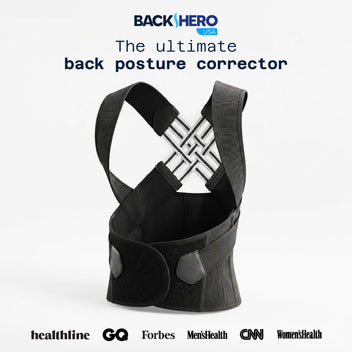
Back Hero USA Posture Corrector for Women & Men designed to heal, relieve upper back pain, and correct poor...
What Anxiety-Related Back Pain Feels Like

People often ask, can anxiety cause back pain that feels real? Absolutely—and it has distinct characteristics.
Common Sensations
- Dull, aching pain that lingers throughout the day
- Tightness or pressure across the back or spine
- Burning or pulling sensations in muscles or soft tissue
- Pain that shifts locations, moving from the upper back to the lower back or shoulders
Stress-Linked Flare-Ups
Anxiety-related back pain often:
- Worsens during stressful events, deadlines, or emotional strain
- Improves during relaxation, rest, or distraction, such as exercise or deep breathing
- Appears suddenly without injury, making it difficult to pinpoint a physical cause
Lack of Structural Findings
Medical imaging such as X-rays or MRIs often show little to no structural damage. This does not mean the pain is “imaginary.” Instead, it suggests the cause is functional—related to muscle tension, nervous system overactivation, and altered pain perception rather than tissue injury. Functional pain can be just as intense and disruptive as mechanical pain.
Emotional Triggers
Pain may intensify during:
- Panic attacks
- Work stress
- Emotional conflict
Yes—can anxiety cause back pain in the lower back specifically? The lower back is one of the most commonly affected areas.
Why the Lower Back Is at Risk
- Supports body weight during sitting, standing, and movement
- Stabilizes posture, especially during prolonged sitting
- Reacts strongly to muscle tension, particularly in the core and hips
Core and Pelvic Tension
Anxiety frequently tightens the abdominal and pelvic floor muscles. This constant contraction pulls on the lumbar spine, disrupts natural alignment, and creates muscular imbalance—leading to stiffness, soreness, and ongoing discomfort.
Sitting and Stress
Prolonged sitting while anxious increases pressure on the lumbar discs, especially when posture collapses.
Stress Holding Patterns
Many people unconsciously clench their lower back during stress, leading to chronic discomfort even during rest.
Lower back pain caused by anxiety often improves when stress levels drop—further confirming the mind-body connection.
How to Relieve Back Pain Caused by Anxiety
If you’re wondering how to treat pain when anxiety can cause back pain, relief requires a combined approach.
Manage Anxiety First
- Deep breathing exercises to activate the parasympathetic (relaxation) response
- Mindfulness meditation to reduce stress reactivity and improve body awareness
- Cognitive Behavioral Therapy (CBT) to address anxious thought patterns that contribute to chronic tension
- Reducing anxiety lowers muscle tension and calms the nervous system.
Improve Physical Support
- Stretch tight back, hip, and hamstring muscles to restore mobility
- Strengthen core stability to reduce pressure on the spine, especially the lower back
- Practice posture awareness during sitting, standing, and screen use
Use Posture Support
Posture correction tools can be helpful during work, driving, or prolonged screen time. They encourage proper spinal alignment, reduce slouching, and limit excessive muscle tension during daily activities—especially when anxiety leads to rigid or collapsed posture.
Lifestyle Adjustments
- Regular low-impact movement such as walking or swimming to improve circulation
- Better sleep hygiene to support muscle recovery and nervous system balance
- Limiting caffeine and stimulants, which can increase anxiety and muscle tension
Treating both anxiety and physical strain together leads to faster relief, fewer flare-ups, and more sustainable back comfort over time.
Preventing Anxiety Cause Back Pain

Preventing pain is easier than treating it—especially when can anxiety cause back pain is already established.
Daily Habits
Simple, consistent actions help reduce stress-related strain on the spine:
- Check posture regularly while sitting and standing to avoid slouching or rigid bracing
- Take movement breaks every 30–60 minutes to restore blood flow and reduce muscle tension
- Stretch during stressful moments, focusing on the neck, shoulders, and lower back
Stress Management Routine
- Morning breathing exercises to calm the nervous system and set a relaxed baseline
- Evening relaxation rituals such as gentle stretching, meditation, or warm showers
- A consistent sleep schedule to support muscle recovery and nervous system balance
Strength and Stability
- Core strengthening to support the spine and reduce lumbar strain
- Back mobility exercises to maintain flexibility and prevent stiffness
- Gentle yoga or Pilates to combine movement, strength, and breath control
Postural Awareness Tools
Wearing a posture support during work or screen time can prevent slouching and reduce anxiety-induced muscle tension before pain begins.Can Anxiety Cause Lower Back Pain Specifically?
Back Hero USA Posture Corrector: Posture Support for Stress-Related Back Discomfort

The Back Hero USA Posture Corrector is specially designed for individuals looking for practical ways to support their spine and learn how to avoid back pain caused by poor posture, long sitting hours, or muscle strain. By helping realign your spine and reducing daily tension, it promotes healthier posture habits that protect your back throughout the day.
Key Benefits of the Back Hero USA Posture Corrector
- Supports proper spinal alignment by gently guiding the shoulders and upper back into a more natural position
- Helps reduce slouching during prolonged sitting or standing, especially for desk work and daily activities
- Relieves posture-related muscle tension in the upper back, neck, and shoulders
- Encourages posture awareness, helping users recognize and correct poor posture habits over time
- Lightweight and breathable design allows for comfortable, extended wear under clothing
- Adjustable fit accommodates different body types without restricting natural movement
-
Suitable for daily use at work, home, or during light activities
Size and Color:
The Back Hero USA Posture Corrector features adjustable straps that comfortably fit sizes S–2XL, making it easy for anyone to achieve the right support. It’s also available in one stylish color: Black
Conclusion
So, can anxiety cause back pain? The evidence clearly shows that it can. Anxiety affects muscle tension, posture, pain perception, and daily habits, all of which contribute to back discomfort. The good news is that anxiety-related back pain is manageable with the right combination of stress control, posture correction, and physical care.
By addressing both mental and physical factors, and following guidance like the Back Hero USA approach, long-term relief is achievable.
Frequently Asked Questions
1. Can anxiety cause back pain without any injury?
Yes. Anxiety can create muscle tension and nervous system sensitivity that cause pain even without physical damage.
2. How long does anxiety-related back pain last?
It can last weeks or months if anxiety remains unmanaged, but often improves with stress reduction and posture correction.
3. Can anxiety make existing back pain worse?
Yes. Anxiety amplifies pain perception and muscle tension, worsening existing conditions.
4. Is anxiety-related back pain real or psychosomatic?
It is very real. The pain comes from genuine physical responses triggered by anxiety.
5. Will treating anxiety reduce back pain?
In many cases, yes. Managing anxiety often leads to significant pain reduction.

