

Can bad posture cause chest pain? Yes, it can — and it’s more common than most people realize. Poor posture can put extra pressure on the muscles, nerves, and joints around your chest, leading to discomfort and tension.
In this guide, Back Hero USA explains how bad posture affects your chest, what symptoms to look out for, and how you can relieve pain naturally through proper care and correction.
In this article
What Does Bad Posture Look Like?

Can bad posture cause chest pain just by how you sit or stand? Yes — it often starts with small posture habits that build up over time. Bad posture happens when your spine and body are out of natural alignment for long periods, usually because of poor habits or weak muscles.
Rounded Shoulders and Forward Head
One of the most common signs is shoulders that roll forward and a head that leans in front of your body. This posture puts extra pressure on your neck and upper back muscles.
Hunched Upper Back
Spending hours sitting or looking down at a phone can cause your upper back to round. This “hunchback” position leads to stiffness, fatigue, and tension in the spine — and is one of the ways can bad posture cause chest pain to develop.
Uneven or Tilted Posture
You might notice that one shoulder sits higher than the other or that your hips are uneven. This imbalance can make you feel off-center or tired when standing or walking.
Chest and Shoulder Tightness
Slouching tightens the chest muscles while weakening the back muscles. Over time, this imbalance explains why can bad posture cause chest pain is such a common question.
Fatigue and Discomfort
Because your muscles work harder to support poor posture, you might feel tired faster — especially when sitting or standing for long periods.
Recognizing these signs early helps you take steps to correct your posture, reduce pain, and protect your spine from long-term strain. If you want practical, step by step strategies to sit and stand taller, you can also read How to Stop Slouching.
How Bad Posture Can Cause Chest Pain

Can bad posture cause chest pain? Absolutely. Bad posture affects much more than how you look — it can directly cause discomfort, tightness, and even nerve pain. Here’s how:
Muscle Imbalances and Strain
When you slouch, the muscles in your chest become tight and overactive, while those in your upper back weaken. This imbalance pulls your shoulders forward and strains the chest and rib muscles, leading to soreness and stiffness.
Nerve Compression
Poor posture can cause spinal misalignment, putting pressure on the nerves that run through your chest and back. This compression may result in sharp or radiating pain, tingling, or numbness.
Restricted Breathing
A hunched position limits the movement of your rib cage and diaphragm, making it harder for your lungs to expand fully. This can lead to shallow breathing and a feeling of tightness or pressure in your chest.
Circulation Issues
When posture compresses the chest and upper back, blood flow to muscles and tissues may decrease, leading to fatigue or discomfort.
Stress and Anxiety Link
Poor posture can also affect mood and stress levels. Slouching can make breathing shallow, triggering tension that mimics anxiety-related chest pain.
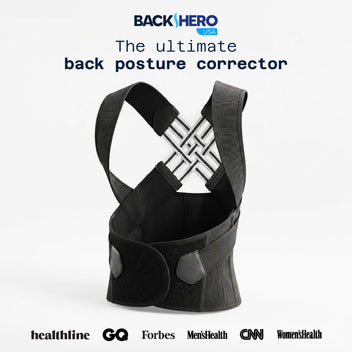
Back Hero USA Posture Corrector for Women & Men designed to heal, relieve upper back pain, and correct poor...
What Chest Pain from Bad Posture Feels Like
Chest pain from posture often develops gradually. You might feel a dull ache, pressure, or tightness that worsens after sitting for long periods. Can bad posture cause chest pain that mimics heart issues? Yes — but posture pain usually improves when you stretch or change positions.

You may also notice:
- Tenderness around the chest or ribs
- Pain that radiates to your shoulders or upper back
- Increased discomfort when slouching or leaning forward
- Relief when straightening up or adjusting your posture
Understanding these differences helps you identify whether can bad posture cause chest pain or if it’s something requiring medical attention.
How to Tell If Chest Pain Is From Posture or the Heart
It’s important to know whether can bad posture cause chest pain or if it’s heart-related.
Posture-Related Chest Pain:
- Feels like muscle soreness or tightness
- Changes with movement or posture
- Often located in the upper chest or shoulders
- Improves with stretching or rest
- Doesn’t cause shortness of breath, dizziness, or nausea
Heart-Related Chest Pain:
- Feels like heavy pressure, squeezing, or burning
- May spread to the arm, neck, or jaw
- Can come with shortness of breath, sweating, or nausea
- Usually doesn’t change with movement or posture
- Requires immediate medical attention
If you’re unsure, seek medical care immediately. It’s always best to rule out heart issues before assuming can bad posture cause chest pain on its own.
So, Can Bad Posture Cause Chest Pain?
Yes — bad posture can absolutely cause chest pain. When your chest muscles tighten and your shoulders roll forward, it places extra strain on the ribs, muscles, and nerves around the upper body. This can lead to soreness, tightness, or even sharp pain in the chest area. Improving your posture helps relieve this tension and prevent future discomfort.
How to Fix Chest Pain from Bad Posture
If you’ve been wondering how to fix it now that you know can bad posture cause chest pain, here are effective solutions:
Practice Posture Awareness
The first step is becoming aware of how you hold your body throughout the day. Pay attention to your posture while sitting, standing, or using your phone and computer.

Keep your shoulders relaxed but slightly back, your chin tucked in, and your spine in a neutral position. Try to avoid slouching or leaning forward for long periods. Setting gentle reminders — such as alarms or posture-tracking apps — can help you stay consistent.
Chiropractic Care
Chiropractic adjustments can make a big difference in relieving posture-related chest pain. Chiropractors use gentle, controlled movements to realign your spine, reduce nerve pressure, and restore mobility in stiff joints. This helps relieve tension in the chest and back muscles that often cause discomfort.
Regular chiropractic sessions at Back Hero USA can also improve blood flow, flexibility, and breathing — all of which help your body recover faster from posture strain.
Use a Posture Corrector

A posture corrector can be an excellent tool for retraining your body to maintain better alignment throughout the day. It gently guides your shoulders back and supports your upper back, helping relieve tension caused by slouching or hunching.
At Back Hero USA, we recommend Posture Corrector, designed for everyday comfort and support. It’s lightweight, breathable, and fully adjustable — perfect for people who sit at a desk, drive long hours, or struggle with rounded shoulders.
When used correctly, it helps:
- Reduce muscle tension by evenly distributing pressure across your shoulders and upper back.
- Encourage proper alignment by gently pulling your shoulders into a natural position.
- Open up the chest for easier breathing and improved posture.
- Prevent fatigue from prolonged sitting or standing.
If you are new to posture devices and want clear instructions, check out How to Use A Posture Corrector to get the best results from your Back Hero.
Key Features of Back Hero USA Posture Corrector:
- Lightweight, breathable fabric for all-day comfort
- Adjustable straps that fit sizes S–2XL
- Soft shoulder padding to prevent rubbing or irritation
- Discreet design — can be worn under or over clothing
- Available in Black
Using this tool regularly can make a big difference once you understand how can bad posture cause chest pain through daily habits.
Stretch and Strengthen
Regular stretching and strengthening exercises help balance the muscles that support your spine and chest. Focus on stretches that open up the chest (like doorway stretches or cobra pose) and exercises that strengthen the upper back and shoulders (like wall angels, rows, and reverse flies). Doing these consistently improves flexibility and stability, reducing posture-related pain.
Ergonomic Adjustments
Your workspace setup plays a huge role in posture health. Keep your computer screen at eye level, use a chair with proper lumbar support, and ensure your feet are flat on the floor. Take breaks every 30–60 minutes to stand up, stretch, and reset your posture. Small ergonomic changes can significantly reduce strain on your spine and chest muscles over time.
Conclusion
Bad posture can absolutely cause chest pain, but the good news is it’s reversible. By improving your posture, strengthening your muscles, and seeking professional care, you can ease pain and prevent it from returning. Back Hero USA is here to help you every step of the way — from chiropractic guidance to posture correction tools like Back Hero USA Posture Corrector.
Frequently Asked Questions
1. Why does bad posture cause chest tightness?
Bad posture strains chest and shoulder muscles, restricting movement and breathing, which can create a feeling of tightness or pressure.
2. How long does it take to relieve chest pain from bad posture?
Mild cases may improve within a few days to weeks with proper posture, stretching, and chiropractic care. Chronic cases may take longer.
3. Can chiropractic care help posture-related chest pain?
Yes. Chiropractic adjustments relieve spinal tension, improve alignment, and reduce muscle strain that contributes to chest pain.
4. Should I worry about chest pain if it goes away when I stretch?
If stretching eases the pain, it’s likely posture-related. However, always rule out heart issues by consulting a healthcare provider if symptoms persist or worsen.
5. What are the best exercises for chest pain from bad posture?
Wall angels, chest stretches, shoulder blade squeezes, and doorway stretches help open the chest and strengthen postural muscles.

