

Can bad posture cause headaches? Yes — and it’s more common than you might think. When your posture is poor, the muscles in your neck, shoulders, and upper back tighten and strain, often leading to tension headaches or even migraines. In this guide, Back Hero USA explains how can bad posture causes headaches, what symptoms to look out for, and how you can prevent and relieve them naturally.
In this article
What Does Bad Posture Look Like?

Can bad posture causes headaches? Absolutely — especially when your spine and head are misaligned for long periods, such as when slouching at a desk, hunching over a phone, or leaning forward while driving. Over time, these habits create muscle tension and nerve irritation that can cause pain to radiate into your head.
Forward Head Posture
This is one of the biggest contributors to posture-related headaches. When your head leans forward — even just an inch — it increases the weight on your neck muscles severalfold. This constant strain leads to tension at the base of your skull and explains how can bad posture causes headaches over time. If you want step by step exercises to correct this, you can read How to Fix Forward Head Posture.
Rounded Shoulders
When your shoulders roll forward, it pulls your upper spine out of balance. This position tightens the chest muscles and overstretches the upper-back muscles, creating a chain reaction that leads to neck stiffness and headaches.
Slouched or Hunched Back
A hunched spine restricts blood flow and nerve function between the neck and head. This can make headaches feel worse and longer-lasting.
Recognizing these postural habits early can help you correct them and stop headaches before they start.
How Bad Posture Can Cause Headaches

So, can bad posture causes headaches? Definitely. Here are the main reasons:
Muscle Tension and Strain
Slouching or leaning forward forces neck and shoulder muscles to work harder to hold up your head. This constant tension can irritate pain-sensitive areas and cause tension-type headaches.
Nerve Compression
Poor alignment may compress nerves in the neck, such as the occipital nerves, which run from your spinal cord to your scalp. When pinched, they can cause throbbing pain or tingling sensations in the head.
Restricted Blood Flow
Bad posture can reduce blood circulation to the brain and surrounding muscles, making headaches more likely and reducing oxygen supply — a key reason can bad posture causes headaches that persist.
Eye and Jaw Strain
Looking down at screens or clenching your jaw while slouching can increase muscle stress, adding to head pain and fatigue.
Stress and Fatigue
Poor posture doesn’t just affect your body — it affects your mood too. Slouching can make you feel more tired and anxious, which in turn worsens headaches.
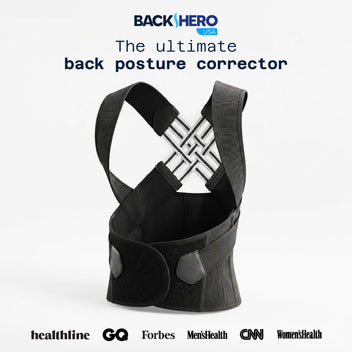
Back Hero USA Posture Corrector for Women & Men designed to heal, relieve upper back pain, and correct poor...
What Symptoms Should You Look Out For?
Headaches caused by bad posture often feel like a tight band around your head or pain that starts at the neck and spreads upward.

Other symptoms include stiffness in the neck and shoulders, eye fatigue, tenderness at the skull base, and discomfort that worsens after sitting or looking at screens for long periods.
These headaches usually ease with stretching or posture correction — another clue that can bad posture causes headaches rather than other health issues.
What Headaches from Bad Posture Feel Like
Headaches caused by poor posture usually start as a dull ache or tight band-like pressure around the head or the base of the skull. You may also notice:
- Pain that worsens after sitting or working at a computer
- Stiffness in your neck and shoulders
- Tenderness at the back of your head or temples
- Relief when you stretch or stand up straight
These are typically tension headaches — the most common type linked to bad posture. However, prolonged muscle strain can sometimes trigger migraines in sensitive individuals.
How to Tell If Your Headaches Are Posture-Related

Here’s how to identify whether your headaches might be caused by posture instead of other health conditions:
Posture-Related Headaches
- Begin after long hours of sitting or screen time
- Feel like pressure or tightness, not pulsing pain
- Improve with stretching or massage
- Often come with neck or shoulder soreness
Other Headaches (e.g., migraine or sinus)
- May cause nausea, visual changes, or dizziness
- Not usually affected by posture
- Often triggered by hormones, food, or light sensitivity
If you’re unsure, it’s always a good idea to consult your doctor or chiropractor to determine the exact cause.
So, Can Bad Posture Cause Headaches?
Yes — bad posture can absolutely cause headaches. When your spine is out of alignment, your neck and shoulder muscles overwork, compressing nerves and restricting blood flow. This tension can trigger persistent, dull, or throbbing headaches. The good news is that correcting your posture can reduce these symptoms, restore comfort, and prevent future pain.
How to Improve Posture and Reduce Headaches
Here are some of the best ways to relieve and prevent posture-related headaches — because yes, can bad posture causes headaches, but it’s reversible.
Chiropractic Care
Chiropractic adjustments can help realign your spine, reduce nerve pressure, and release muscle tension. At Back Hero USA, our expert chiropractors focus on restoring balance and mobility, helping you find lasting relief from posture-related headaches.
Practice Posture Awareness
Be mindful of how you hold your body during daily tasks. Keep your ears aligned with your shoulders, your back straight, and avoid leaning forward for long periods. Gentle reminders — like phone alerts or posture apps — can help you maintain awareness throughout the day.
Use a Back Hero USA Posture Corrector

A posture corrector is a simple yet effective way to retrain your body. It supports your upper back and shoulders, gently pulling them into proper alignment.
At Back Hero USA, we recommend Back Hero USA Posture Corrector — a lightweight, breathable, and fully adjustable device designed to reduce tension and improve alignment naturally.
Key Features of Posture Corrector:
- Lightweight and breathable for all-day comfort
- Adjustable straps that fit sizes S–2XL
- Available in Black
- Gentle shoulder and back support that encourages healthy posture
- Discreet enough to wear under clothing
When used consistently, it helps relax neck muscles and reduce the tension that triggers headaches — a practical solution if you’ve been wondering how can bad posture causes headaches in your daily routine.
Stretch and Strengthen
Perform neck stretches, shoulder rolls, and upper-back strengthening exercises like rows or wall angels. These movements relieve muscle tightness and restore balance to prevent headaches from recurring.
Ergonomic Adjustments
Adjust your workspace: set your screen at eye level, use a supportive chair, and keep your feet flat on the floor. Small ergonomic improvements can prevent strain that leads to chronic tension headaches. For a deeper guide on desk setup, see How to Correct a Bad Sitting Posture.
Conclusion
So, can bad posture cause headaches? Yes — but the great news is that you can fix it. With chiropractic care, posture correction tools, and daily awareness, you can relieve pain and prevent it from returning.
Back Hero USA is dedicated to helping you improve posture and comfort through expert chiropractic care and tools like Posture Corrector.
Frequently Asked Questions
1. Can bad posture really cause migraines?
Yes, in some cases. Chronic neck tension from bad posture can trigger migraine episodes.
2. How long does it take to relieve posture-related headaches?
You may notice relief within days, but consistent care and exercises provide lasting results.
3. Will chiropractic care help posture headaches?
Absolutely. Chiropractic adjustments relieve neck strain and improve spinal alignment.
4. Can posture correctors help prevent headaches?
Yes — they retrain your body to maintain healthy alignment, reducing tension and pain.
5. What are the best exercises for posture headaches?
Neck stretches, chin tucks, wall angels, and shoulder blade squeezes are highly effective.

