

Can I Wear A Posture Corrector While Pregnant? If your back, shoulders, and neck feel tired from carrying a growing bump, it is a very natural question. Many pregnant people look for extra support and wonder if a posture corrector can ease strain or help them sit and stand more comfortably. The honest answer is that sometimes it can help, but it needs careful use and medical guidance.
In this article, Back Hero USA will help you to learn when a posture corrector may be appropriate during pregnancy, when you should avoid it, and what to ask your doctor before you wear one. You will also see how gentle tools like the Back Hero USA Posture Corrector and a Lumbar Support Cushion can support daily alignment. If you want to learn more later, you can also read articles such as “Are Posture Correctors Safe?” or “How to Wear a Posture Corrector for Maximum Results” for deeper guidance.
Important: This article is for general information only and is not medical advice. Always ask your obstetrician, midwife, or physical therapist before using any posture device during pregnancy.
In this article
Why Pregnancy Makes Posture More Challenging

Pregnancy changes your posture from head to toe. As your bump grows, your center of gravity shifts forward. Many people naturally respond by:
- Arching the lower back more
- Leaning the upper body backward
- Letting the shoulders round and head move forward
Hormones also loosen ligaments to prepare your body for birth. That can make joints feel less stable and muscles work harder to hold your body up. The result is often:
- Lower back pain
- Hip and pelvic discomfort
- Neck and shoulder tension
- Fatigue from simple daily tasks
These changes are normal, but that does not mean you must suffer without support.
Can I Wear A Posture Corrector While Pregnant? The Short Answer

The short answer is: sometimes yes, but only with medical approval and the right type of support.
A light, adjustable posture corrector that focuses on the upper back and shoulders may help some pregnant people:
- Reduce upper back and neck strain from slouching
- Open the chest to make breathing feel easier
- Build awareness of healthier posture during sitting and standing
However, you should talk to your prenatal provider before you wear one, especially if you:
- Have high risk pregnancy
- Have circulation issues or blood pressure concerns
- Have a history of back surgery or spinal conditions
- Experience pelvic pain, sciatica, or nerve symptoms
Your provider may also recommend a dedicated maternity support belt or physical therapy instead, depending on your body and symptoms.
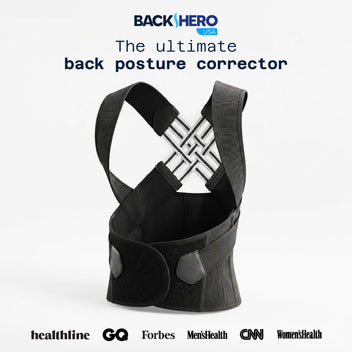
Back Hero USA Posture Corrector for Women & Men designed to heal, relieve upper back pain, and correct poor...
Potential Benefits of a Posture Corrector During Pregnancy

When a healthcare professional says it is safe for you, a gentle posture corrector can offer some specific benefits.
Upper back and shoulder support
Many pregnant people spend long hours at a desk, on a laptop, or looking down at a phone. This can make the shoulders roll forward and the head creep out in front of the body, which increases neck and upper back pain.
A posture corrector that sits across the upper back can:
- Gently remind your shoulders to stay open
- Reduce strain around the neck and shoulder joints
- Help your head stack more in line with your spine
Better awareness, not rigid bracing
The best posture correctors for pregnancy act like a reminder rather than a rigid brace. You still move and use your muscles, but the device gives a little feedback when you collapse into poor posture. Over time, this can help you notice posture habits and adjust sooner.
Comfort during sitting and light activity
Some people feel more supported when they wear a posture corrector during:
- Desk work
- Light chores
- Short walks or errands
If this allows you to stay more comfortable with less slouching, it can be part of a larger comfort strategy that also includes movement, stretching, and ergonomic adjustments.
When You Should Not Wear a Posture Corrector in Pregnancy

There are also times when the safest answer to “Can I Wear A Posture Corrector While Pregnant?” is no.
You should avoid posture correctors, or stop and call your provider, if you notice:
- Increased pain, numbness, tingling, or weakness
- Pressure or discomfort around your abdomen or ribs
- Shortness of breath or chest tightness
- Dizziness or lightheadedness
You should also avoid very tight, rigid, or heavy braces that restrict your rib cage or press into your abdomen. Pregnancy requires good breathing and blood flow. Anything that compresses your chest or belly is not a good idea.
If you have conditions such as preeclampsia, placenta problems, or severe pelvic girdle pain, your doctor may tell you to skip posture correctors entirely.
Back Hero USA Tools That Can Support Pregnancy Posture
If your provider approves the use of posture aids, you can combine a posture corrector with other gentle support tools to reduce strain.
Back Hero USA Posture Corrector

The Posture Corrector from Back Hero USA is designed to support the upper back and shoulders, not the abdomen. For pregnancy, that is important.
When used as your doctor allows, Back Hero can:
- Gently guide your shoulders back instead of letting them round forward
- Help your upper back feel more open when you sit or stand
- Give you a subtle reminder to keep your chest open and neck relaxed
Use it in short sessions at first, for example 15 to 30 minutes, and notice how your body feels. It should feel like a gentle cue, not a tight restriction. If anything feels wrong, remove it and ask your provider.
If you want to understand more about how these devices work in general, you can later read “Are Posture Correctors Good? What Science and Experts Say” or “Do Posture Correctors Work?” once those guides are live on your site.
Lumbar Support Cushion for Pregnancy Back Pain
Your lower back also needs care while your bump grows. A lumbar cushion does not touch your abdomen, but it supports the curve of your spine while you sit.

The Lumbar Support Cushion can help you:
- Maintain a gentle curve in your lower back instead of collapsing into a C shape
- Sit more upright in your office chair, car seat, or on the sofa
- Reduce the feeling of pressure and fatigue in your lower back during long sitting periods
Because it rests behind you rather than wrapping around your body, a lumbar cushion is often a very pregnancy friendly way to improve posture while you sit. Your doctor or physical therapist can tell you if it suits your situation.
Safe Posture Tips During Pregnancy
Whether you use a posture corrector or not, these simple habits can protect your back during pregnancy.
Sitting
- Keep both feet flat on the floor or on a footrest
- Place your hips all the way back in the chair
- Use a lumbar cushion to support your lower back
- Keep screens closer to eye level to avoid looking down
Standing and walking
- Imagine your ears over your shoulders and your shoulders over your hips
- Avoid locking your knees
- Try to distribute weight evenly between both legs
- Wear supportive shoes rather than high heels
Sleeping
- Sleep on your side with a pillow between your knees
- Use a supportive pillow under your head that keeps your neck in line with your spine
- Consider a pregnancy body pillow for extra support under your bump and behind your back
A prenatal physical therapist can give you custom exercises and stretches that match your trimester and health status.
Conclusion: Gentle Support, Clear Guidance
So, Can I Wear A Posture Corrector While Pregnant? For some people, with a doctor’s approval, a light and adjustable posture corrector can offer extra upper back support and comfort. It should never feel tight, restrictive, or painful, and it should never take the place of medical advice.
During pregnancy, your main goals are safety, comfort, and long term health for you and your baby. With guidance from your provider, gentle tools such as the Back Hero USA Posture Corrector and the Lumbar Support Cushion can support better alignment while you sit, work, and rest. Combined with smart posture habits, regular movement, and good sleep positions, they can help you feel more supported during each stage of your pregnancy.
Frequently Asked Questions: Can I Wear A Posture Corrector While Pregnant?
1. Is it safe to wear a posture corrector during pregnancy?
It can be safe for some people, but only if your doctor or midwife approves it. Pregnancy puts extra demands on your spine, ribs, and circulation, so you should always ask a healthcare professional before you start using any posture device.
2. Which type of posture corrector is best while pregnant?
In pregnancy you usually want a light, adjustable posture corrector that focuses on the upper back and shoulders, not the abdomen. It should feel gentle and supportive, not tight or restrictive. Your provider can help you decide if something like the Back Hero style is suitable for you.
3. How long can I wear a posture corrector when I am pregnant?
Most people do better with short sessions instead of all day. For example, you might start with 15 to 30 minutes and see how you feel. If your doctor gives you a limit, follow that advice first. Remove it right away if you notice discomfort, pressure, or any strange symptoms.
4. What is the difference between a posture corrector and a maternity support belt?
A posture corrector usually supports the upper back and shoulders. A maternity support belt is designed to lift and support the belly and lower back. Some pregnant people use one or the other. Others use only cushions and exercise. Your provider can tell you which option is more appropriate for your body.
5. What are signs that I should stop using my posture corrector during pregnancy?
Stop wearing it and call your doctor if you feel increased back or pelvic pain, numbness, tingling, shortness of breath, chest tightness, dizziness, or any pressure around your bump. You should also stop if it leaves deep marks on your skin or feels hard to breathe in.
6. Are there alternatives if my doctor says no to posture correctors?
Yes. You can still support your posture with a lumbar support cushion, pregnancy pillows, gentle prenatal exercise, stretching, and an ergonomic chair setup. A prenatal physical therapist can also teach safe ways to move and sit that reduce pressure on your back without any brace at all.

