

Can Liver Problems Cause Back Pain? The answer is yes—certain liver conditions can cause back pain, though it is less common than muscle or spine-related causes. Liver-related back pain is often misunderstood because it doesn’t feel like typical lower back pain and usually comes with other systemic symptoms. Understanding how liver pain presents can help you recognize when back discomfort may signal a deeper health issue.
In this Back Hero USA guide, we’ll explain liver-related back pain, how to identify it, and how posture awareness—supported by resources like the Back Hero USA Guide—can help distinguish spinal discomfort from internal organ pain.
In this article
What Does the Liver Do in the Body?

The liver is one of the body’s most vital organs and is responsible for more than 500 essential functions that keep the body functioning properly. It plays a key role in processing nutrients, removing toxins, and maintaining overall metabolic balance.
Some of the liver’s most important functions include:
- Filtering toxins and waste from the blood, including alcohol, medications, and harmful byproducts
- Producing bile, which helps digest fats and absorb fat-soluble vitamins
- Regulating blood sugar levels by storing and releasing glucose as needed
- Metabolizing fats, proteins, and medications, converting them into usable or safely removable forms
- Supporting immune function by filtering bacteria and pathogens from the bloodstream
Because the liver is involved in so many metabolic and detoxification processes, any inflammation, swelling, or enlargement can place pressure on nearby tissues and nerves. When this occurs, discomfort may be felt not only in the upper abdomen but can also be referred to nearby areas, such as the upper back or right shoulder.
Can Liver Problems Cause Back Pain?
Yes, can liver problems cause back pain is a common and reasonable question—especially when back pain appears without a clear physical cause. While liver problems are not among the most frequent causes of back pain, they can contribute to discomfort through referred pain mechanisms.
The liver sits beneath the right rib cage and is surrounded by nerves connected to the diaphragm and upper spine. When the liver becomes inflamed, enlarged, or irritated due to disease, it can stretch its protective capsule. This stretching sends pain signals to nearby nerves, which the brain may interpret as back or shoulder pain.
Unlike muscle or posture-related back pain, liver-related discomfort:
- Does not improve with rest or movement
- Is not triggered by bending, lifting, or sitting
- Often feels constant or deep
Because these symptoms differ from mechanical back pain, understanding can liver problems cause back pain helps prevent misdiagnosis and delays in care.
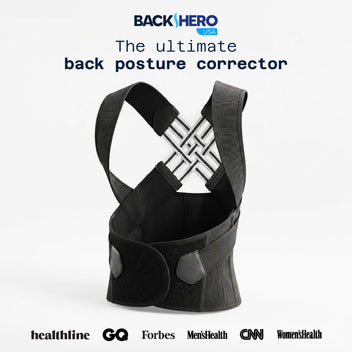
Back Hero USA Posture Corrector for Women & Men designed to heal, relieve upper back pain, and correct poor...
Where Is Liver-Related Back Pain Usually Felt?
When exploring can liver problems cause back pain, pain location is one of the most important indicators.
Liver-related back pain is most commonly felt:
- In the upper right abdomen, beneath the rib cage
- In the upper right back, near the shoulder blade
- In the right shoulder, due to diaphragm irritation
This pain pattern occurs because the liver lies on the right side of the body. Nerve pathways in this area refer pain upward and outward rather than downward.
Important distinction:
- Liver-related pain is rarely felt in the lower back
- Lower back pain usually points to posture issues, muscle strain, or spinal problems
Recognizing this location difference makes it easier to answer can liver problems cause back pain accurately.
What Does Liver-Related Back Pain Feel Like?

People asking can liver problems cause back pain often notice that the discomfort feels different from typical muscle or posture-related back soreness.
Liver-related back pain is often described as:
- Dull, aching, or pressure-like rather than sharp
- Deep and internal, not surface-level or muscular
- Persistent and lingering instead of coming and going with movement
Unlike muscle or spine-related pain, liver-related pain:
- Does not ease with stretching or massage
- May worsen after eating fatty foods or consuming alcohol
- Often occurs alongside fatigue, nausea, or a general feeling of being unwell
Because posture-related back pain usually changes with movement, sitting, or lying down, this contrast can help distinguish liver-related discomfort from common spinal or muscular issues. Persistent back pain combined with digestive symptoms or unexplained fatigue should always prompt further medical evaluation.
Common Liver Conditions That May Cause Back Pain
Several underlying conditions help explain why can liver problems cause back pain is a relevant and important concern, especially when back discomfort cannot be linked to posture, injury, or muscle strain.
Common liver-related causes include:
- Fatty liver disease – As fat accumulates in the liver, the organ may enlarge, creating internal pressure that can radiate pain to the upper back or right shoulder blade.
- Hepatitis – Inflammation of the liver irritates surrounding tissues and nerves, sometimes causing deep, aching pain felt in the back.
- Liver infections or abscesses – Localized infection and swelling can lead to referred pain, which is felt away from the actual source of the problem.
- Cirrhosis – Long-term liver damage and scarring reduce liver flexibility, leading to ongoing discomfort that may extend to the back as the disease progresses.
- Liver tumors – Benign or malignant growths increase pressure on nearby organs and structures, often resulting in persistent upper back pain.
In most cases, pain appears gradually and worsens as the condition progresses rather than starting suddenly.
The Symptoms of Liver Cancer

When evaluating can liver problems cause back pain, liver cancer must be considered, particularly in cases where pain is persistent, worsening, or unexplained by muscle strain or spinal issues.
Common symptoms include:
- Constant upper abdominal pain or deep, dull back pain, often felt under the right rib cage or radiating to the right shoulder blade
- Unintentional and ongoing weight loss
- Loss of appetite or feeling full quickly after eating small amounts
- Chronic fatigue and weakness that does not improve with rest
- Nausea or vomiting
- Jaundice (yellowing of the skin or eyes)
- Dark urine and pale stools
- Abdominal swelling or fluid buildup (ascites)
Back pain associated with liver cancer is typically not relieved by rest or position changes and may worsen over time. It is often caused by liver enlargement, tumor growth pressing on nearby tissues, or spread to surrounding structures. When back pain appears alongside multiple systemic symptoms such as jaundice, weight loss, or fatigue, it is a serious warning sign and requires urgent medical evaluation for proper diagnosis and treatment.
How Are Liver Problems Diagnosed?
To determine can liver problems cause back pain, healthcare providers typically follow a step-by-step diagnostic approach to identify the underlying cause and rule out musculoskeletal issues.
Common methods include:
- Blood tests to assess liver enzymes, inflammation markers, and overall liver function
- Ultrasound imaging to detect liver enlargement, fatty infiltration, or fluid buildup
- CT or MRI scans to identify tumors, inflammation, scarring, or structural abnormalities
- Liver biopsy in complex or uncertain cases to confirm the extent and type of liver disease
Accurate diagnosis is essential because liver-related pain can closely mimic posture-, nerve-, or muscle-related back pain, potentially delaying proper treatment if not correctly identified.
What Treatment Options Can Help With Back Pain From Liver Problems?

Treatment focuses on addressing the underlying liver condition rather than simply relieving back pain symptoms. When asking can liver problems cause back pain, it’s important to understand that lasting relief depends on improving liver health.
Treatment options may include:
- Lifestyle changes, such as improving diet, reducing alcohol intake, managing weight, and controlling blood sugar
- Medications to treat liver inflammation, infections, or viral hepatitis
- Medical procedures or surgery for liver tumors or advanced liver disease
- Ongoing monitoring and follow-up care for chronic liver conditions to prevent progression
As liver function improves, related back pain often decreases or resolves. While posture correction or supportive measures may help overall comfort, they cannot replace proper medical treatment when back pain is caused by liver-related conditions.
A Simple Way to Support Posture-Related Back Pain

While liver-related back pain is typically deep, persistent, and unaffected by movement, many cases of upper and lower back discomfort are actually caused by poor posture, prolonged sitting, or spinal misalignment.
To help identify whether your pain is posture-related, improving spinal alignment can be an important first step. Support tools like the Back Hero USA Posture Corrector are designed to gently guide the shoulders and spine into proper alignment throughout the day.
Key Benefits of the Back Hero USA Posture Corrector
- Supports proper spinal alignment by gently guiding the shoulders and upper back into a more natural position
- Helps reduce slouching during prolonged sitting or standing, especially for desk work and daily activities
- Relieves posture-related muscle tension in the upper back, neck, and shoulders
- Encourages posture awareness, helping users recognize and correct poor posture habits over time
- Lightweight and breathable design allows for comfortable, extended wear under clothing
- Adjustable fit accommodates different body types without restricting natural movement
-
Suitable for daily use at work, home, or during light activities
Size and Color:
Back Hero USA Posture Corrector features adjustable straps that comfortably fit sizes S–2XL, making it easy for anyone to achieve the right support. It’s also available in one stylish color: Black
Conclusion
So, can liver problems cause back pain? Yes—but the pain is typically upper-back, persistent, and accompanied by systemic symptoms. Unlike posture-related back pain, liver-related discomfort does not respond to stretching or movement. Understanding these distinctions allows for earlier diagnosis and proper treatment, helping prevent serious complications.
Frequently Asked Questions
1. Can fatty liver cause back pain?
Yes, especially if the liver becomes enlarged.
2. Is liver-related back pain usually on one side?
Yes, most often on the right side.
3. Can liver pain feel like lower back pain?
Rarely. Liver pain usually affects the upper back.
4. Does liver pain worsen after eating?
It can, especially after fatty meals.
5. Should back pain always be checked for liver problems?
Only if accompanied by systemic or digestive symptoms.

