

Can poor posture cause heart problems? Poor posture can indirectly affect heart health. Slouching, hunching, or sitting for long periods can restrict blood flow, strain the cardiovascular system, and contribute to stress and inflammation.
In this guide, Back Hero USA explores how posture influences circulation and overall wellness, and offers simple daily steps to improve alignment, ease strain, and support lasting heart health.
In this article
Spine Health and General Wellness

Maintaining good posture is essential not only for spine health but for overall wellness. Proper spinal alignment reduces strain on muscles, joints, and ligaments, promoting efficient movement and circulation.
When the spine is aligned correctly, the body experiences less tension, improved breathing, and enhanced organ function. Conversely, poor posture, such as slouching or forward head positions, can lead to chronic pain, decreased mobility, and even mental health challenges like stress and fatigue.
Supporting the spine with ergonomic seating, regular stretching, and mindful posture habits contributes to long-term wellness and reduces the risk of secondary health issues, including cardiovascular strain.
How does poor posture affect the heart?

If you’ve ever wondered, can poor posture cause heart problems, the answer lies in how misalignment affects your body’s systems. Poor posture impacts the heart both directly and indirectly. When the spine is misaligned due to slouching or rounded shoulders, circulation, nerve function, and respiration can all be disrupted—placing extra stress on the cardiovascular system.
Increased Stress
Slouched posture often tightens chest and back muscles, limiting lung expansion and oxygen intake. Reduced oxygen availability forces the heart to work harder to pump blood efficiently.
Chronic muscle tension also activates stress hormones like cortisol, which increase heart rate and blood pressure over time. Persistent stress contributes to cardiovascular strain and raises the risk of heart disease.
Posture and Circulation
Hunching forward compresses the thoracic cavity and major blood vessels, slowing circulation. Restricted blood flow can affect oxygen delivery to vital organs, forcing the heart to work harder. Over months and years, this can contribute to hypertension, varicose veins, and poor cardiovascular efficiency, making daily activity more exhausting.
Chronic Inflammation
Can poor posture cause heart problems through inflammation? Yes—chronic misalignment promotes muscle tension and inflammation in soft tissues. Inflammation is linked to atherosclerosis, insulin resistance, and other heart disease risk factors.
Sedentary Lifestyle
People with poor posture often adopt sedentary habits, sitting for long periods with minimal movement. Prolonged sitting reduces heart efficiency, lowers metabolism, and increases the risk of obesity and type 2 diabetes—major contributors to heart disease. Integrating posture improvement with daily activity is critical for protecting cardiovascular health.
Nerve Compression & Autonomic Dysfunction
Spinal misalignment can compress nerves that regulate heart rate and blood pressure. This autonomic dysfunction can cause irregular rhythms and elevated blood pressure—further proof that can poor posture cause heart problems is more than just a question; it’s a real concern.
Overall, poor posture creates a cascade of negative effects that strain the cardiovascular system, reduce circulation, increase inflammation, and promote unhealthy stress responses. Addressing posture early is key to preventing long-term heart complications.
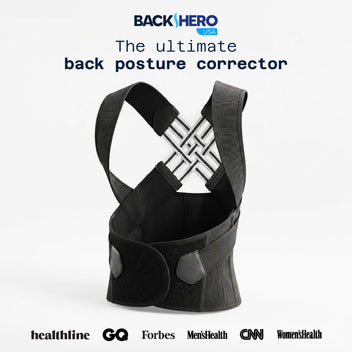
Back Hero USA Posture Corrector for Women & Men designed to heal, relieve upper back pain, and correct poor...
Can Poor Posture Cause Heart Problems?

Consistently poor posture can indirectly contribute to heart problems. Slouching, forward head positions, and rounded shoulders compress blood vessels, restrict lung capacity, and increase the heart’s workload.
Over time, this can raise blood pressure, trigger irregular rhythms, and heighten cardiovascular disease risk. Poor posture also fuels stress, inflammation, and sedentary habits linked to obesity and metabolic syndrome.
While not a direct cause of heart disease, it amplifies existing risks. Maintaining proper alignment, moving regularly, and using ergonomic support can ease strain, boost circulation, and promote long-term heart health.
Steps to Strengthen Your Posture and Heart
Improving posture and supporting heart health require consistent effort, mindful habits, and an understanding of how body alignment influences overall function. Small daily changes can have lasting benefits for your spine, circulation, and cardiovascular system.
Ergonomic Workspace
Set up your workspace to promote a neutral spine and proper alignment. Adjust your chair, desk, and screen so your eyes are level with the top of the monitor, your feet rest flat on the floor, and your back remains supported. Consider using lumbar cushions or standing desks to reduce slouching and pressure on the lower spine during long hours of work.
Core Strengthening
Your core muscles—abdominals, obliques, and lower back—play a crucial role in maintaining posture. Strengthening them not only stabilizes the spine but also helps the body move more efficiently, easing the heart’s workload. Incorporate exercises such as planks, bridges, yoga, and Pilates to build endurance and balance throughout your trunk and spine.
Regular Movement
Avoid sitting too long. Stand, stretch, and walk frequently to boost circulation and heart activity. Even short breaks can improve blood flow and oxygen delivery, helping answer the question: can poor posture cause heart problems due to inactivity? Yes—movement is key to prevention.
Posture Awareness

Breathing Exercises
Deep, diaphragmatic breathing improves oxygen exchange and circulation, easing the heart’s workload and calming the nervous system. Practice slow, controlled breaths that expand the abdomen rather than the chest. Incorporating breathing techniques into daily routines or mindfulness practices can help regulate blood pressure and reduce stress-related inflammation.
Cardiovascular Activity
Regular aerobic exercise strengthens the heart, supports healthy posture, and boosts energy. Activities like brisk walking, swimming, cycling, and low-impact aerobics promote circulation, maintain joint mobility, and counteract the effects of prolonged sitting. Aim for at least 150 minutes of moderate-intensity movement each week, gradually increasing duration and intensity as your endurance builds.
By combining ergonomic support, core strength, movement, and mindful breathing, you create a holistic approach to wellness that enhances both posture and heart function. Consistency is key—small, intentional adjustments practiced daily can lead to lasting improvements in alignment, energy, and cardiovascular health.
Additional Ways to Improve Your Heart and Posture

Beyond core strengthening and ergonomic adjustments, several lifestyle habits can further enhance posture and cardiovascular health.
- Stretching and Mobility: Regular stretching of the chest, shoulders, hip flexors, and back prevents tightness that promotes slouching. Yoga and Pilates are particularly effective for improving flexibility and spinal alignment.
- Hydration and Nutrition: Adequate water intake and a heart-healthy diet rich in fruits, vegetables, and lean proteins support circulation, reduce inflammation, and provide energy for movement.
- Mindfulness and Stress Reduction: Meditation, deep breathing, and mindfulness exercises reduce cortisol levels, alleviate tension in postural muscles, and support heart health.
- Proper Sleep Posture: Maintaining spinal alignment during sleep reduces morning stiffness, improves circulation, and prevents additional cardiovascular strain. Supportive mattresses and ergonomic pillows can aid proper positioning.
- Frequent Breaks from Screen Time: Limiting extended computer or phone use prevents forward head posture and rounded shoulders. Standing desks or periodic stretch breaks help maintain alignment.
- Posture-Friendly Fitness: Incorporate strength training for back, shoulders, and glutes to counteract slouching and enhance spinal support.
- Wearable Support: Posture Correctors or reminders can assist in maintaining alignment during daily activities, reinforcing healthy habits.
Implementing these habits consistently promotes a strong, healthy spine and supports cardiovascular efficiency, reducing long-term risks and enhancing overall quality of life.
Conclusion
So, can poor posture cause heart problems? Poor posture can harm heart health by restricting circulation, increasing stress, and fueling inflammation. Over time, misalignment and sedentary habits strain the cardiovascular system and raise long-term health risks. Prioritizing spinal alignment, core strength, ergonomic support, and regular movement helps reduce these effects.
Using tools like Back Hero USA Posture Corrector can further support proper alignment and encourage healthy posture throughout the day. With mindful posture habits, proper sleep, and daily activity, you can protect your heart and improve overall wellness—small, consistent changes make a lasting difference.
Frequently Asked Questions
1. Can slouching really affect my heart?
Yes, prolonged slouching can reduce circulation, increase stress on the heart, and contribute to inflammation, indirectly impacting cardiovascular health.
2. Is standing better than sitting for heart health?
Yes, standing and moving regularly improves circulation, reduces stress on the spine, and lowers the risk of cardiovascular strain.
3. What exercises improve posture and heart health?
Core strengthening, yoga, Pilates, and moderate cardiovascular exercises like walking or swimming improve spinal alignment and cardiovascular efficiency.
4. How can I maintain good posture at work?
Use ergonomic chairs, keep feet flat, align screens at eye level, and take frequent breaks to stretch and move.
5. Can proper sleep posture benefit my heart?
Yes, maintaining spinal alignment during sleep improves circulation, reduces tension, and decreases cardiovascular strain, supporting overall heart health.

