

Can scoliosis be fixed? It’s one of the first questions people ask after they see a curve in the mirror or on an X-ray. The honest answer is: it depends on the type and severity of scoliosis, your age, and what your doctor recommends. In many cases, scoliosis is managed rather than “cured,” with a focus on preventing progression and reducing pain.
This article of Back Hero USA is a non-medical guide that explains what “fixing” scoliosis can realistically mean, what doctors typically do, and everyday ways you can support your spine. You’ll also see how posture tools like a posture corrector, seat cushion, and lumbar support can help you sit, stand, and move more comfortably alongside your doctor’s treatment plan.
In this article
What Is Scoliosis, in Simple Terms?
Scoliosis is a sideways curve of the spine, often shaped like an “S” or “C” that can also involve rotation of the vertebrae. Most cases are mild and are found in children or teens, though adults can have scoliosis too.

Typical signs include:
- Uneven shoulders or hips.
- One shoulder blade sticking out more than the other.
- A visible curve when bending forward.
Some people have no symptoms at all; others experience back pain, muscle fatigue, or breathing issues in more severe cases.
Can Scoliosis Be Fixed? What Doctors Actually Mean
So, can scoliosis be fixed? The truthful, non-hype answer is: scoliosis is usually a lifelong condition, but it can often be managed and improved, especially when it’s caught early and treated proactively.

What “fixed” means can be very different from person to person:
- Mild curves may just be monitored (observation) and never need treatment.
- Moderate curves in growing kids/teens might need medical bracing to slow or stop progression.
- More severe curves sometimes require surgery (like spinal fusion) to prevent further worsening and stabilize the spine.
Even with excellent treatment, the goal is usually to:
- Prevent the curve from getting worse.
- Reduce pain and improve function.
- Improve alignment and quality of life.
That’s why it’s more accurate to think in terms of “managing” scoliosis and supporting your spine than expecting a total, once-and-for-all “fix”, especially through non-medical products alone.
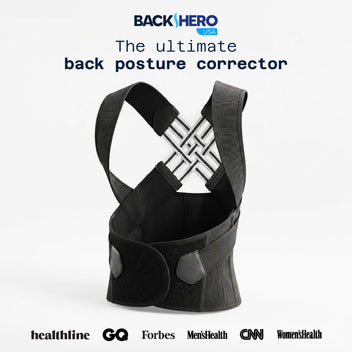
Back Hero USA Posture Corrector for Women & Men designed to heal, relieve upper back pain, and correct poor...
Everyday Ways to Support Your Spine If You Have Scoliosis
While your doctor focuses on the medical treatment plan, you can focus on your daily environment: how you sit, stand, sleep, and move. These ideas don’t treat scoliosis, but they can make life more comfortable and help reduce extra strain on your spine.
Sitting more comfortably (desk, sofa, car)
Long hours in a chair can amplify scoliosis-related discomfort. A more supportive setup can help distribute pressure and reduce slumping:
- Keep your feet flat on the floor and your hips and knees at roughly 90 degrees.
- Bring your screen up closer to eye level so you’re not constantly bending forward.
- Use a seat cushion and lumbar cushion to support your pelvis and lower back.
Two examples of supportive tools you can use:
- Pressure Relief Seat Cushion helps redistribute pressure away from your tailbone and sitting bones, making it easier to sit more upright instead of collapsing into a curve.

- Lumbar Support Cushion fills the gap between your lower back and the chair, encouraging a more neutral lumbar curve so your spine doesn’t sag.

Again, these don’t change the underlying scoliosis curve, but they can make daily sitting less aggravating.
Standing and moving smarter
When you stand:
- Try to balance your weight between both feet instead of leaning on one leg.
- Relax and gently draw your shoulders back instead of rounding forward.
- Take regular breaks from static standing or sitting by walking and stretching.
Light, doctor-approved exercises or physical therapy can also help you build strength and mobility around your spine, but always follow professional guidance for scoliosis-specific exercise.
Sleeping with better support
Nighttime is recovery time for your spine:
- Choose a mattress that feels supportive but not rock hard.
- Use a pillow that keeps your neck in line with your upper back (not pushed too high or forced down).
- Side sleepers often benefit from a pillow between the knees; back sleepers may like a small pillow under the knees to ease lower-back tension.
Small upgrades here can mean less morning stiffness and less overall fatigue.
How a Posture Corrector Fits In (Without Overpromising)
If scoliosis affects how you hold yourself, you might wonder where posture correctors fit in and whether they can “fix” scoliosis.
Short answer: they can’t treat or cure scoliosis, but with a doctor’s approval, they can be part of a comfort and posture-support toolkit for some people, particularly adults with mild curves and muscle-based posture habits.
Back Hero USA Posture Corrector (Back Hero)

The Back Hero USA Posture Corrector is designed to:
- Gently guide your shoulders back instead of letting them roll forward.
- Help your upper back stay more open and aligned instead of collapsing into a hunched position.
- Provide subtle feedback when you start to slouch, so you become more aware of your posture throughout the day.
Used in short, consistent sessions (for example, 15–60 minutes at a time), a posture corrector like Back Hero can help you:
- Reduce some of the muscle fatigue that comes from constant hunching.
- Build better postural awareness—useful if you spend a lot of time at a desk or on a laptop.
Important: If you have scoliosis, especially moderate or severe, always talk to your doctor or physical therapist before using any brace or posture corrector. They can tell you whether it’s appropriate for your specific curve and how to use it safely alongside your primary treatment (or if you should avoid it).
Conclusion: Support, Not “Magic Fixes”

So, can scoliosis be fixed? In most cases, scoliosis is something you manage and improve over time, not something that disappears overnight. Doctors focus on monitoring the curve, slowing or stopping progression, and keeping you as comfortable and functional as possible. Your job, day to day, is to support that plan with how you sit, stand, sleep, and move.
Posture tools like the Back Hero USA Posture Corrector, the Pressure Relief Seat Cushion, and the Lumbar Support Cushion cannot replace medical treatment or change the underlying curve, but they can make it easier to support your posture, reduce extra strain, and get through your day with less discomfort. Paired with your doctor’s advice and consistent healthy habits, they help you live with scoliosis in a way that feels more comfortable, more stable, and more in control.

