

Can Scoliosis Cause Back Pain? Yes—scoliosis can cause back pain, though not everyone with a spinal curve experiences it. Pain is more common in adults and often results from muscle imbalance, uneven spinal loading, and posture strain.
In this Back Hero USA guide, we’ll break down why scoliosis leads to discomfort, what the pain typically feels like, and the practical steps you can take to relieve symptoms and support long-term spine health.
In this article
What is Scoliosis?

Scoliosis is a spinal condition characterized by an abnormal sideways curvature of the spine. Instead of appearing straight when viewed from behind, the spine curves into a “C” or “S” shape. This curvature can occur in different regions of the spine, including the upper (thoracic), lower (lumbar), or both.
Types of Scoliosis
- Idiopathic scoliosis: The most common form, often developing during adolescence. The exact cause is unknown, but it may progress as the body grows.
- Congenital scoliosis: Present at birth due to abnormal spinal development in the womb. This type may affect spinal alignment early in life.
- Degenerative scoliosis: Develops in adulthood as a result of spinal disc degeneration, arthritis, or age-related wear and tear.
Many people with scoliosis appear outwardly healthy, which leads to confusion and delayed diagnosis. This raises an important question: can scoliosis cause back pain even when symptoms seem mild?
Can Scoliosis Cause Back Pain?
Yes—can scoliosis cause back pain is a valid concern, particularly as the body ages or spinal stress increases.
Scoliosis changes how weight and movement forces are distributed across the spine. Instead of being evenly supported, certain muscles, joints, and discs absorb more pressure than others. Over time, this imbalance can result in discomfort, stiffness, and pain.
Why Pain Is Not Always Immediate
- Younger individuals often compensate well
- Flexible spines tolerate imbalance better
- Pain may develop gradually rather than suddenly
This delayed onset is why many adults only experience pain years after being diagnosed—or after scoliosis goes unnoticed.
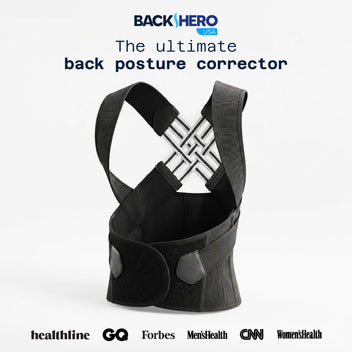
Back Hero USA Posture Corrector for Women & Men designed to heal, relieve upper back pain, and correct poor...
How Scoliosis Causes Back Pain

To fully understand can scoliosis cause back pain, it’s essential to examine the physical changes it creates in the body.
Muscle Imbalance and Fatigue
Scoliosis forces muscles on one side of the spine to work harder to keep the body upright, while muscles on the opposite side become underused. This imbalance leads to:
- Chronic muscle tightness
- Reduced endurance
- Muscle knots and trigger points
Over time, overworked muscles fatigue easily, resulting in persistent soreness and aching.
Postural Compensation
To maintain balance, the body adapts to spinal curvature by altering posture. Common compensations include:
- Uneven shoulders
- Head tilt
- Pelvic misalignment
These adaptations increase strain on the spine and surrounding soft tissues. Poor posture amplifies scoliosis-related stress, especially during long periods of sitting or standing.
Increased Joint and Disc Stress
When the spine curves abnormally, pressure is unevenly distributed across spinal discs and facet joints. This can accelerate degenerative changes such as:
- Disc thinning
- Joint irritation
- Reduced shock absorption
This explains why many people ask, can scoliosis cause back pain that worsens with age? Degeneration plays a major role.
Nerve Irritation and Compression
In more pronounced curves, spinal nerves may be irritated or compressed, leading to:
- Sharp or shooting pain
- Burning sensations
- Radiating discomfort into the hips or legs
Nerve involvement is more common in adult and degenerative scoliosis.
How to Relieve Back Pain Caused by Anxiety

If you’re wondering how to treat pain when can anxiety cause back pain, the most effective relief comes from a combined mental–physical approach. Because anxiety affects both the nervous system and muscle function, addressing only one side often leads to temporary improvement rather than lasting relief.
Manage Anxiety First
Reducing anxiety is a critical first step, as high stress levels keep the body in a constant state of tension. Techniques that calm the nervous system can significantly reduce muscle tightness and pain intensity.
- Deep breathing exercises help activate the parasympathetic nervous system, allowing muscles to relax and improving oxygen flow to tense areas.
- Mindfulness meditation reduces stress awareness and interrupts pain–anxiety cycles by helping the brain respond more calmly to physical sensations.
- Cognitive Behavioral Therapy (CBT) is especially effective for people whose back pain worsens during emotional stress, as it helps reframe anxious thought patterns linked to pain.
When anxiety is better controlled, muscle tension decreases and pain signals become less intense.
Improve Physical Support
Since can anxiety cause back pain through prolonged muscle tightening and poor posture, physical support is essential for recovery.
- Stretch tight back and hip muscles to improve flexibility and restore normal movement.
- Strengthen core stability to support the spine and reduce pressure on the lower back.
- Practice posture awareness during sitting, standing, and walking to prevent excessive spinal strain.
Use Posture Support
Posture correction tools can help retrain spinal alignment and reduce strain during daily activities, especially for people who sit for long hours or experience stress-related slouching. Consistent posture support encourages healthier movement patterns and minimizes anxiety-induced muscle tension.
Lifestyle Adjustments
Long-term relief requires daily habits that support both mental and physical health.
- Regular low-impact movement such as walking or gentle stretching keeps muscles loose and improves circulation.
- Better sleep hygiene allows muscles and the nervous system to recover properly.
- Limiting caffeine and stimulants helps prevent unnecessary nervous system activation that can worsen anxiety and muscle tension.
Treating both anxiety and physical strain together leads to faster, more sustainable relief from back pain.
Preventing Anxiety Cause Back Pain
Preventing pain is easier than treating it—especially once can anxiety cause back pain is already established.
Daily Habits
Small posture and movement adjustments throughout the day can significantly reduce spinal strain caused by anxiety.
- Check posture while sitting and standing, keeping your shoulders relaxed and spine neutral.
- Take movement breaks every 30–60 minutes to prevent muscle stiffness and improve circulation.
- Stretch during stressful moments to release tension that builds unconsciously during anxiety.
These simple habits help interrupt the cycle of stress and muscle tightening that leads to back pain.
Stress Management Routine
Since can anxiety cause back pain through prolonged nervous system activation, daily stress regulation is essential.
- Morning breathing exercises set a calmer tone for the day and reduce baseline muscle tension.
- Evening relaxation rituals, such as light stretching or mindfulness, help the body recover from daily stress.
- A consistent sleep schedule supports muscle repair and nervous system balance.
Strength and Stability
A strong, flexible body is more resilient to anxiety-related strain.
- Core strengthening exercises help stabilize the spine and reduce pressure on back muscles.
- Back mobility exercises maintain flexibility and prevent stiffness.
- Gentle yoga or Pilates combine movement with controlled breathing, making them especially effective for stress-related back pain prevention.
Postural Awareness Tools
Wearing a posture support during work or screen time can prevent slouching and reduce anxiety-induced muscle tension before pain begins. By reinforcing proper alignment, posture tools help train healthier movement patterns and protect the spine during daily activities.
Explore Back Hero USA Posture Corrector for Back Pain Support

Back Hero USA Posture Corrector is specially designed for individuals looking for practical ways to support their spine and learn how to avoid back pain caused by poor posture, long sitting hours, or muscle strain. By helping realign your spine and reducing daily tension, it promotes healthier posture habits that protect your back throughout the day.
How It Helps With Back Pain
- Spine Alignment: Gently pulls your shoulders back to restore a neutral spine position.
- Muscle Relief: Reduces pressure on the lower and upper back muscles, easing stiffness and fatigue.
- Better Posture Awareness: Encourages proper posture during work, driving, or daily activities.
Who Should Use It
- Office workers
- Students
- Drivers
- Fitness beginners
- Anyone dealing with chronic or occasional back discomfort
Why Choose Back Hero USA Posture Corrector?
1. Built for Everyday Durability
Constructed with high-quality, long-lasting materials that maintain their shape and support—even with daily use. Ideal for long-term users focused on how to avoid back pain through consistent posture improvement.
2. Ergonomic, Comfortable Design
Its posture-aligning structure fits naturally to your body, helping you sit, stand, and move with better form—without feeling restricted.
3. Proven Support for Back Pain Relief
Posture Corrector gently corrects posture, reduces muscle overload, and minimizes pressure on the spine. This helps ease both general back tension and specific issues like lower right back discomfort.
4. A Safe, Non-Invasive Solution
No drugs, no complicated methods—Back Hero offers a simple, practical way to support spine health throughout your day.
5. Ideal If You Often Wonder About Lower Right Back Pain
If you frequently ask yourself, “When Should I Worry About Lower Right Back Pain?”, Back Hero helps you manage early symptoms before they progress. By improving alignment and reducing strain, it provides consistent support where your lower back needs it most.
Size and Color:
Back Hero USA Posture Corrector features adjustable straps that comfortably fit sizes S–2XL, making it easy for anyone to achieve the right support. It’s also available in one stylish color: Black
Conclusion
So, can scoliosis cause back pain? Yes—it can, especially when spinal curvature leads to muscle imbalance, poor posture, and increased stress on the spine. While not everyone with scoliosis experiences pain, discomfort often develops over time, particularly with prolonged sitting, limited movement, or age-related changes.
The good news is that scoliosis-related back pain is often manageable. With proper posture awareness, targeted exercises, stress management, and consistent daily habits, many people can significantly reduce pain and protect long-term spine health.
Frequently Asked Questions
1. Can scoliosis cause back pain if the curve is mild?
Yes. Even mild scoliosis can cause back pain due to muscle imbalance and poor posture.
2. Does scoliosis back pain get worse with age?
Often yes. Age-related disc and joint wear can increase scoliosis-related back pain.
3. Can scoliosis cause back pain without nerve damage?
Yes. Most scoliosis pain comes from muscle strain and uneven spinal loading, not nerve compression.
4. Can posture correction help scoliosis back pain?
Yes. Better posture reduces spinal stress and helps relieve discomfort.
5. When should I see a doctor for scoliosis back pain?
If pain is persistent, worsening, or includes numbness or weakness.

