

Can you wear a posture corrector while working out? Yes, but only if you use it properly. A posture corrector can help align your spine, support your shoulders, and improve your workout form. However, it’s not a replacement for strong muscles or proper technique.
In this guide, Back Hero USA will break down everything you need to know — how posture correctors work, their pros and cons, and expert tips for using them safely during exercise. If you’ve ever wondered can you wear a posture corrector while working out, this article will give you a clear answer.
In this article
What Is a Posture Corrector and How Does It Work?

A posture corrector is a wearable support device designed to help you maintain proper alignment of the spine and shoulders. It gently pulls your shoulders back, opening up the chest and encouraging correct posture. Some models use elastic straps or rigid frames, while others rely on smart sensors that alert you when you start slouching.
By training your body to stay upright, a posture corrector can relieve strain on the neck, shoulders, and back, especially if you sit or work in one position for long hours. For those asking can you wear a posture corrector while working out, understanding how it functions is key to using it correctly.
Can You Wear a Posture Corrector While Working Out?

Many people wonder, can you wear a posture corrector while working out. Yes, you can wear a posture corrector while working out, as it can help you maintain proper form and strengthen the muscles that support good posture.
However, it's crucial to use one that fits correctly and allows for a full range of motion without causing discomfort or chafing. Besides, the answer alsodepends on your workout type and goals. For strength training or low-impact exercises like yoga, a posture corrector can help reinforce proper form, prevent overextension, and reduce the risk of injury.
Start by wearing it for short sessions of 15–30 minutes, focusing on light weight training. Over time, as your muscles strengthen, you can gradually rely on your own posture rather than external support. This approach answers the question — can you wear a posture corrector while working out safely and effectively? Yes, but moderation is key.
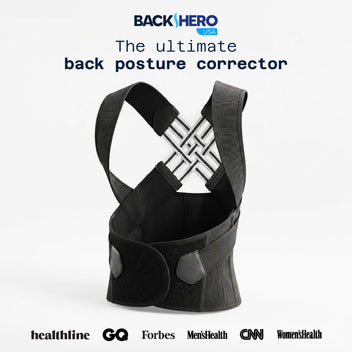
Back Hero USA Posture Corrector for Women & Men designed to heal, relieve upper back pain, and correct poor...
4 Pros of Wearing a Posture Corrector During Workouts

Wearing a posture corrector during your workout can do more than just keep your back straight — it can enhance your form, reduce discomfort, and help you move more efficiently. Here are four key benefits you can expect when using one correctly.
Improved Posture Awareness
A posture corrector helps you become more conscious of your body alignment. By keeping your shoulders back and chest open, it trains your muscles to maintain good form even when you’re not wearing it.
This can significantly improve how you perform exercises like squats, deadlifts, or push-ups. If you’re still asking yourself can you wear a posture corrector while working out, this benefit makes it worth trying.
For a deeper look at overall posture advantages beyond workouts, explore What are the Benefits of Back Posture Corrector to understand how consistent support improves daily alignment and long-term spinal health.
Reduced Strain and Fatigue
Wearing a posture corrector can alleviate tension in the upper back and shoulders, reducing the risk of strain during repetitive movements. It also helps distribute weight evenly across the spine, which may prevent soreness and stiffness after workouts.
So yes, can you wear a posture corrector while working out to reduce fatigue? Definitely — especially when used properly and not over-tightened.
If you're unsure about correct positioning before exercising, read How to Use A Posture Corrector to ensure you're getting support without restricting movement.
Enhanced Confidence and Stability
When your body is properly aligned, your balance and core stability naturally improve. This makes your workouts more effective and safer. The feeling of standing taller and moving more confidently can also give you a psychological boost, motivating you to stay consistent.
Support for Beginners or Injury Recovery
If you’re new to fitness or recovering from a mild injury, a posture corrector can provide gentle support as you rebuild strength. It reminds you to maintain correct posture without overstraining the muscles that need healing — another solid reason why can you wear a posture corrector while working out has a positive answer for many users.
3 Cons of Wearing a Posture Corrector During Workouts
While a posture corrector can be a helpful training tool, it’s not without its downsides. Overusing or misusing it during workouts may lead to several issues that affect your performance and long-term results.
Restricted Range of Motion
Some posture correctors can limit flexibility and movement, especially during dynamic exercises like running, push-ups, or weightlifting. This restriction can make it harder to perform full movements, reducing workout effectiveness.
Muscle Dependency
Relying too much on a posture corrector can cause your back and core muscles to weaken over time. Instead of building natural strength, your body becomes dependent on external support for stability.
Discomfort During Intense Exercise
When you sweat heavily or move vigorously, the straps or fabric may cause chafing and irritation. Tight or poorly fitted correctors can also restrict breathing, making workouts uncomfortable.
How to Choose a Posture Corrector for Exercise

If you’re wondering can you wear a posture corrector while working out, choosing the right one is key. The right device should support your form, not restrict it. Here’s what to look for:
Match the Support to Your Needs
Identify your posture issue—slouched shoulders, rounded back, or forward head—and pick a corrector designed for movement, not just sitting.
Fit, Comfort & Adjustability
Choose breathable, lightweight materials and adjustable straps. It shouldn’t dig into your shoulders, restrict breathing, or pinch while moving.
Freedom of Movement
Make sure it allows natural motion—lifting, twisting, or bending—without affecting your form or comfort during workouts.
Durability and Quality
Select strong stitching and quality materials from a trusted brand. Cheap, rigid correctors may wear out or hinder your range of motion.
Purpose & Duration
Decide when to use it—light training, recovery, or posture correction. Remember, it’s a training tool, not a permanent fix.
Test Before Full Workouts
Try it during warm-ups first. If it limits movement, causes discomfort, or restricts breathing, switch to a better model.
The Best Posture Corrector for Working Out

Conclusion
So, if you’ve ever asked yourself can you wear a posture corrector while working out, the answer is yes — with proper use, you’ll see posture improvement and more effective workouts. With mindful use and the right product like the Back Hero USA Posture Corrector, you can achieve lasting posture improvement and more effective workouts.
Frequently Asked Questions
1. Can I wear a posture corrector every day at the gym?
You can, but limit usage to 15–30 minutes per session to avoid muscle dependency.
2. Should I wear a posture corrector during cardio workouts?
It’s not recommended. Cardio exercises require free movement and breathing, which may be restricted.
3. How long does it take to see posture improvement?
With consistent training and proper use, you may notice results in 2–4 weeks.
4. Can a posture corrector help with back pain?
Yes, by improving alignment and reducing strain, but it’s not a substitute for medical care or physical therapy.
5. Is The Original Back Hero Posture Corrector suitable for all body types?
Yes, the adjustable straps and flexible design make it comfortable for both men and women of various sizes.
6. Can you wear a posture corrector while running?
It’s possible, but not ideal for long-distance running. A posture corrector may help maintain upper body alignment, but it can restrict breathing and movement. Instead, use it for warm-ups or short runs to build posture awareness.
7. Why do athletes wear posture correctors?
Athletes often use posture correctors to improve form, enhance breathing efficiency, and reduce the risk of shoulder or back strain. It helps them maintain proper alignment during training and recovery.

