

Many common mistakes that can contribute to joint pain do not start in the joints themselves. They usually begin with how you sit, stand, move, and recover. When posture is off, muscles are weak, and your routine is mostly sitting, your joints end up carrying stress they were never designed to handle all day.
In this guide, Back Hero USA walks through the key everyday habits that quietly wear down your joints and what you can change right now. You will also see how Back Hero USA Posture Corrector and the Massage Roller support better alignment, softer muscles, and more comfortable movement at work, at home, and in the gym.
In this article
What Joint Pain Really Is

Before you fix anything, it helps to understand what joint pain usually means. Your joints are where bones meet and move together. They rely on healthy cartilage, strong muscles, and balanced alignment to share load smoothly.
Joint pain can feel like:
- A dull ache around knees, hips, shoulders, or spine
- Sharp twinges when you bend, twist, or step a certain way
- Stiffness after sitting too long
- A feeling of heaviness or grinding when you move
Many common mistakes that can contribute to joint pain are not dramatic injuries. They are small, repeated choices that overload the same areas day after day.
Common Mistakes That Overload Your Joints

These are the common mistakes that can contribute to joint pain that show up most often in modern daily life.
Slouching and poor posture all day
When your spine collapses and your shoulders round forward, your joints pay the price. A slouched posture shifts load away from strong support structures and into smaller joints and ligaments.
Over time this can:
- Increase pressure on spinal joints in the neck and lower back
- Make hips and knees work harder to keep you upright
- Create muscle imbalance so some joints feel constantly pulled
If you want a deeper dive into posture habits, a guide like How to Stop Slouching (Doctor Recommended Advice) is a perfect next step to pair with this topic.
Sitting too long without support
Long, unsupported sitting is one of the fastest ways to irritate joints in your spine, hips, and knees. When you sit:
- Your hip flexors shorten and pull on the front of the hips
- The lower back tends to round or over arch
- Knees stay bent in one angle for hours
This combination can leave you stiff when you stand up and makes joint pain more likely when you walk, exercise, or climb stairs later.
Weak muscles around your joints
Muscles are like active shock absorbers for your joints. When they are weak or deconditioned, the joint surfaces and ligaments take more impact.
Common patterns include:
- Weak glutes and core that overload the lower back and hips
- Weak upper back that overloads the neck and shoulder joints
- Lack of strength work that leaves knees unsupported during everyday steps, squats, and stairs
Strong, balanced muscles are essential if you want joints that feel stable and less sore.
Skipping recovery, stretching, and mobility work
One of the most overlooked common mistakes that can contribute to joint pain is doing activity without any recovery. Tight muscles pull on joints and change movement patterns.
When you never stretch or work on mobility:
- Muscles around hips, shoulders, and spine become short and stiff
- Joints are forced to move in limited, unhealthy paths
- Pain shows up faster during daily tasks and workouts
A future educational piece such as 12 Best Posture Stretches to Improve Posture and Reduce Pain will fit very naturally with this recovery theme on your site.
Pushing through pain instead of adjusting
Pain is a signal, not a test of willpower. Ignoring early discomfort and continuing with the same load, posture, or technique can worsen joint irritation.
Examples:
- Running through knee pain without checking form or footwear
- Sitting through sharp lower back pain instead of changing your setup
- Lifting with poor technique because you want to finish the set
Small changes early are much easier than fixing a chronic joint problem later.
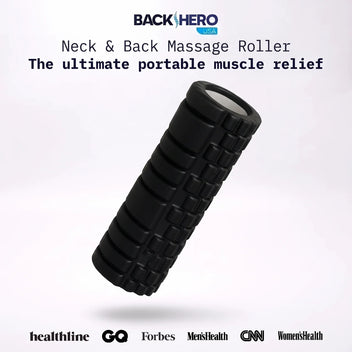
Back N Spine Massage Roller relieves muscle tension, improves circulation, and speeds recovery. Perfect for...
How Poor Spine Alignment Affects Your Joints

Your spine is the central column that supports almost every movement. When it is aligned poorly, other joints must compensate.
Poor spine alignment can:
- Shift extra load into hips and knees during standing and walking
- Increase pressure on shoulder joints when the upper back rounds
- Make each step or lift slightly uneven, which adds up over thousands of repetitions
Protecting your spine is one of the most powerful ways to protect your joints.
How Back Hero USA Tools Support Healthier Joints
Back Hero USA tools are designed to support alignment and muscle balance, which directly influences joint comfort.
Back Hero USA Posture Corrector

Back Hero USA Posture Corrector focuses on your upper back and shoulders, key areas for distributing load away from vulnerable joints.
Back Hero helps you:
- Gently bring your shoulders back so your chest does not collapse
- Encourage a more neutral spine instead of a rounded hunch
- Reduce tension in the neck, upper back, and shoulder joints during screen time or desk work
Key features:
- Lightweight, breathable material for daily wear
- Adjustable straps that fit a wide range of body types
- Slim profile that can be worn under or over clothing
- Soft shoulder padding that reduces rubbing and pressure
By improving upper body alignment, Back Hero helps your spine stack more naturally. When your spine is better aligned, your hips, knees, and other joints share load more evenly, so they are less likely to feel overworked and sore.
Massage Roller by Back Hero USA

The Massage Roller supports the muscle recovery side of joint care. Tight muscles are one of the hidden common mistakes that can contribute to joint pain because they constantly pull on the joints they cross.
Using the Massage Roller can help you:
- Release tight muscles in the back, hips, thighs, and calves
- Improve local blood flow so tissues recover faster after activity
- Reduce the feeling of stiffness around joints after long days of sitting or standing
You can roll:
- The upper back to ease tension that stresses shoulder and neck joints
- The glutes and hips to relieve pull on the lower back and hip joints
- The quads and calves to reduce strain on the knee and ankle joints
Short, regular sessions with the Massage Roller are an easy way to add recovery into your routine without needing extra appointments or equipment.
Simple Daily Habits To Protect Your Joints

Alongside Back Hero and the Massage Roller, these simple habits help keep your joints happier:
- Change position at least every 30 to 60 minutes
- Stand tall with weight shared between both legs instead of leaning to one side
- Add two or three short strength sessions per week for core, hips, and upper back
- Warm up before heavier activity instead of going from zero to intense
- Use recovery tools after workouts or long workdays to keep muscles soft
Small, consistent changes beat occasional big efforts when it comes to joint health.
Conclusion
Many common mistakes that can contribute to joint pain are not dramatic or obvious. They come from quiet daily habits like slouching at a desk, sitting for hours without support, skipping strength work, and never giving muscles time to recover. Over time, these patterns overload joints and make pain feel like a normal part of life.
With smarter ergonomics, regular movement, and the right tools, you can change the story. Back Hero USA Posture Corrector helps align your spine and upper body so joints share load more evenly, while the Massage Roller keeps muscles around your joints loose and better prepared for daily stress.
Frequently Asked Questions
1. Are most joint problems caused by age or by habits?
Age can play a role, but everyday habits like posture, activity level, and recovery often have just as much influence on joint comfort.
2. Can improving posture really help joint pain in the knees or hips?
Yes. When your spine and upper body are aligned, your hips and knees move more evenly, which reduces stress on their joints over time.
3. How often should I use a posture corrector like Back Hero?
Start with short sessions of about 20 to 30 minutes a day and increase gradually. It should feel like a gentle reminder, not something that holds you rigid.
4. Will a massage roller help if my joints already feel sore?
It can, especially if muscle tightness is part of the problem. Use the roller gently around the area and avoid pressing directly on very painful joints without guidance from a professional.
5. When should I see a doctor about joint pain?
You should seek medical advice if joint pain is severe, lasts longer than a few weeks, comes with swelling, redness, or warmth, or if it affects your ability to walk, lift, or do everyday tasks.

