

Do Kidney Stones Cause Back Pain? The short answer is yes—kidney stones can cause back pain, and in many cases, the pain can be severe. However, kidney-related back pain feels very different from muscle or posture-related discomfort. Understanding the difference is essential for proper treatment.
In this guide, we’ll explain how kidney stones cause back pain, how to recognize the signs, and how posture support and spinal care—such as guidance from the Back Hero USA guide—can help you better understand and manage back pain causes.
In this article
What Are Kidney Stones?

Kidney stones are hard deposits made of minerals and salts that form inside the kidneys. They develop when urine becomes highly concentrated, allowing minerals to crystallize and stick together over time.
Common Types of Kidney Stones
- Calcium stones: The most common type, often formed from calcium oxalate.
- Uric acid stones: Linked to dehydration and high-protein diets.
- Struvite stones: Associated with urinary tract infections.
- Cystine stones: Rare and caused by genetic disorders.
Why Kidney Stones Form
Kidney stones typically form due to:
- Inadequate water intake
- High salt or protein consumption
- Certain medical conditions or infections
- Family history of kidney stones
Kidney stones may remain in the kidneys without symptoms. Pain usually begins when a stone moves into the ureter and disrupts urine flow.
Do Kidney Stones Cause Back Pain?

"Do kidney stones cause back pain?" is a very common question—and the answer is yes. Kidney stones are a well-known cause of severe back pain, particularly when a stone begins to move within the kidney or enters the ureter, the tube that connects the kidney to the bladder.
Why Kidney Stones Cause Back Pain
As a kidney stone travels through the urinary tract, it can partially or completely block urine flow. This blockage increases pressure inside the kidney and causes the ureter to spasm. These spasms are responsible for the intense, sharp pain often associated with kidney stones. Unlike muscle-related back pain, this discomfort originates from internal organs rather than the spine or surrounding muscles.
Where the Pain Is Usually Felt
Kidney stone back pain is most commonly felt:
- On one side of the lower back, just below the rib cage
- Along the flank or side of the torso
- Radiating toward the lower abdomen or groin
The location of pain often changes as the stone moves, which can make the discomfort feel unpredictable.
How Kidney Stone Back Pain Feels
The pain caused by kidney stones typically:
- Starts suddenly and escalates quickly
- Feels sharp, stabbing, or cramping
- Comes in waves rather than remaining constant
- Does not improve with rest, stretching, or posture changes
Because kidney stone pain does not respond to common back pain remedies, many people realize something more serious is occurring.
Why Kidney Stone Pain Is Often Misunderstood
Many people initially mistake kidney stone pain for lower back pain caused by poor posture or muscle strain. However, the intensity, one-sided nature, and lack of relief with movement are key signs that the pain may be kidney-related.
Understanding these characteristics helps answer the question do kidney stones cause back pain more clearly and highlights the importance of proper medical evaluation when symptoms appear suddenly or worsen rapidly.
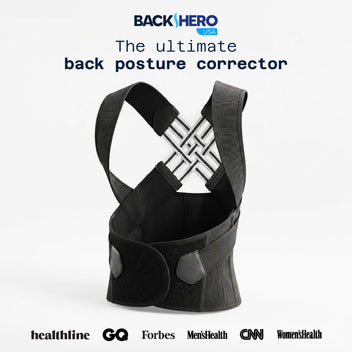
Back Hero USA Posture Corrector for Women & Men designed to heal, relieve upper back pain, and correct poor...
4 Signs Your Back Pain Is Actually From Kidney Stones
Many people ask do kidney stones cause back pain because the symptoms can easily be mistaken for common lower back problems. However, kidney stone–related pain has several distinct warning signs.
1. Sudden and Intense Pain
Kidney stone pain usually begins without warning and becomes severe very quickly. Unlike muscle-related back pain that develops gradually, this pain can feel overwhelming within minutes. Many people describe it as sharp, stabbing, or cramping rather than dull or sore.
2. One-Sided Pain That Doesn’t Improve With Movement
Back pain from kidney stones typically affects only one side of the lower back or flank. Changing positions—such as sitting, lying down, or stretching—does not relieve the pain. This is a key clue when questioning do kidney stones cause back pain, as mechanical back pain usually responds to posture changes.
3. Pain That Radiates to the Abdomen or Groin
Another strong sign is pain that moves. Kidney stone pain often starts in the back and radiates to the lower abdomen, groin, or inner thigh as the stone travels through the ureter. This type of radiating pain is uncommon in posture- or muscle-related back issues.
4. Back Pain With Urinary or Digestive Symptoms
Kidney stone back pain is often accompanied by other symptoms, such as nausea, vomiting, painful urination, frequent urges to urinate, or blood in the urine.
Kidney Stone Pain vs Lower Back Pain: Key Differences

Understanding the differences between kidney stone pain and lower back pain helps prevent misdiagnosis and delayed treatment. Although both can cause significant discomfort, they originate from very different sources.
Origin of Pain
Kidney stone pain comes from inside the body, caused by pressure and spasms in the urinary tract. Lower back pain, on the other hand, usually results from muscle strain, poor posture, disc issues, or spinal misalignment.
Pain Pattern and Intensity
Kidney stone pain is often severe, sharp, and wave-like, coming in intense bursts known as renal colic. Lower back pain tends to be dull, aching, or tight and usually remains consistent rather than coming in waves.
Response to Movement
One of the clearest differences is how the pain reacts to movement. Kidney stone pain does not improve with rest, stretching, or posture correction. In contrast, lower back pain often feels better when you change positions, rest, or use supportive posture techniques.
Associated Symptoms
Kidney stone pain frequently includes additional symptoms such as nausea, sweating, urinary changes, or fever. Lower back pain rarely affects digestion or urination and is more likely accompanied by muscle stiffness or limited mobility.
Location of Pain
Kidney stone pain is usually one-sided and may radiate toward the groin. Lower back pain is often centered in the spine or spread across both sides of the lower back.
Recognizing these key differences makes it easier to answer the question do kidney stones cause back pain and ensures that serious kidney-related issues are not mistaken for common back problems.
When Back Pain is NOT Caused by Kidney Stones
Not all back pain means kidney stones. In fact, many people wondering do kidney stones cause back pain are actually experiencing musculoskeletal issues.
Back pain is unlikely kidney-related if:
- Pain worsens with bending or lifting
- Pain improves with rest or posture correction
- Pain began after long periods of sitting or poor ergonomics
- There are no urinary symptoms
In these cases, back pain is more likely caused by poor posture, muscle imbalance, or spinal strain. Supportive posture habits and tools can be effective for these types of pain.
How Are Kidney Stones Diagnosed?

To determine do kidney stones cause back pain, doctors use a combination of laboratory tests and imaging studies. An accurate diagnosis is essential to distinguish kidney stone pain from muscle, spine, or posture-related back pain.
Common Diagnostic Methods:
Urinalysis
Urinalysis is usually the first step. It checks for blood, infection, or crystal fragments in the urine—common indicators of kidney stones.
Blood Tests
Blood tests help evaluate kidney function and measure levels of calcium, uric acid, and other substances that may contribute to stone formation.
Imaging Tests
Imaging plays a critical role in confirming whether kidney stones are the cause of back pain:
- Ultrasound can detect stones and blockages, especially useful for initial screening.
- CT scans are the most accurate method, clearly showing the size, shape, and location of stones. They are especially effective in ruling out other causes of back pain.
Proper diagnosis ensures timely treatment and prevents confusion with posture-related or musculoskeletal conditions.
Treatment Options for Kidney Stone–Related Back Pain
Treatment depends on the stone’s size, type, location, and symptom severity. When asking do kidney stones cause back pain, treatment focuses on relieving pain and allowing the stone to pass safely.
Non-Surgical Treatments
- Hydration and Pain Management: Small stones often pass naturally with increased water intake. Pain medications help manage discomfort during this process.
- Medications to Aid Stone Passage: Doctors may prescribe medications that relax the ureter, making it easier for stones to pass and reducing painful spasms.
Medical Procedures for Larger Stones
- Shock wave lithotripsy breaks stones into smaller fragments
- Ureteroscopy removes stones using specialized instruments
- Surgical removal may be necessary for very large or complicated stones
While pain relief is essential, long-term prevention focuses on proper hydration, dietary adjustments, and medical guidance to reduce the risk of recurrence.
Back Hero USA Posture Corrector – Designed to Support a Healthier Posture

The Back Hero USA Posture Corrector is designed to support proper spinal alignment and encourage healthier posture throughout the day. By gently guiding your shoulders back and stabilizing your upper body, it helps reduce daily strain caused by prolonged sitting, slouching, or poor posture habits.
Key Benefits
- Posture Support: Encourages proper spine and shoulder alignment to reduce slouching
- Daily Comfort: Helps ease tension in the back, neck, and shoulders caused by poor posture
- Lightweight & Breathable: Comfortable for extended wear without feeling bulky
- Discreet Design: Slim profile fits easily under clothing
- Adjustable Fit: Suitable for different body types and activity levels
Ergonomic Design
Engineered for everyday use, the posture corrector provides balanced support without restricting movement. The ergonomic structure helps promote posture awareness, allowing your body to naturally maintain better alignment over time.
Materials & Build Quality
- High-quality, durable materials for long-lasting use
- Soft, breathable fabric to reduce heat and moisture buildup
- Reinforced straps for secure and adjustable support
Available Sizes & Fit
- Sizes available: S to 2XL
- Fully adjustable straps for a customized, comfortable fit
Ideal For
- Office workers and remote professionals
- People who sit for long hours
- Individuals experiencing posture-related back or shoulder discomfort
- Anyone looking to improve posture awareness during daily activities
Conclusion
So, do kidney stones cause back pain? Yes—and the pain is often severe, sudden, and unmistakable once you understand the signs. Kidney stone back pain differs greatly from posture or muscle-related discomfort, especially in intensity, location, and accompanying symptoms. Recognizing these differences helps you seek timely medical care and avoid misdiagnosis. If your back pain is intense, one-sided, and paired with urinary symptoms, consult a healthcare professional promptly.
Frequently Asked Questions
1. Do kidney stones cause back pain in all cases?
No. Small stones may not cause pain until they move.
2. Where is kidney stone back pain usually felt?
Typically on one side of the lower back or flank.
3. Does changing posture relieve kidney stone pain?
No, posture changes usually do not reduce kidney stone pain.
4. Can kidney stone pain be mistaken for lower back pain?
Yes, especially in early stages without urinary symptoms.
5. How long does kidney stone back pain last?
It can last hours or days, depending on stone movement.

