

Dowager’s Hump: What It Is and How To Get Rid of It — in simple terms, it’s the rounded bump at the base of your neck caused by forward head posture, weak muscles, or changes in the upper spine. It can lead to neck pain, stiffness, and an unbalanced appearance. The good news is that Dowager’s Hump is often reversible with the right approach.
This guide from Back Hero USA will walk you through the essential steps to fix it, protect your back & spine, and restore healthy posture using practical, science-based methods.
In this article
What Is a Dowager’s Hump?

A Dowager’s Hump is a postural condition medically known as thoracic kyphosis or hyperkyphosis. It forms at the C7–T1 area, where the neck meets the upper back. When this curve becomes exaggerated, it creates a visible bump at the base of the neck and affects how the head, shoulders, and spine align.
Where It Forms
- C7–T1 junction
- Transition point between the cervical (neck) spine and thoracic spine
This area is highly sensitive to posture habits, screen use, and long sitting hours.
Visible Signs
- Rounded upper back
- Forward head posture (head jutting forward)
- Shoulder rounding
- Stiffness in the neck and upper back
- Sometimes muscle tightness or mild pain
Dowager’s Hump vs. Normal Posture Curve
A normal spine has gentle, natural curves that distribute weight evenly and support movement. In healthy posture, the upper back curve is smooth and balanced, and the head sits directly above the shoulders.
With a Dowager’s Hump, the upper back curve becomes excessively rounded, pulling the head forward. This increases stress on the neck, weakens postural muscles, and causes the bump-like appearance. In short, the normal curve supports balance; the Dowager’s Hump disrupts it.
Common Causes of Dowager’s Hump
A Dowager’s Hump can develop for several reasons, but most cases are linked to posture and muscle imbalance. Understanding the root causes helps you correct the problem more effectively.
1. Poor Posture Habits
Long hours of computer or phone use, slouching, and forward-head positioning place continuous stress on the C7–T1 area. Over time, the upper back curve becomes exaggerated.
2. Weak Spinal and Neck Muscles
When postural muscles are weak, the body struggles to keep the head aligned over the shoulders. This allows the upper spine to round forward.
3. Osteoporosis
In older adults, osteoporosis can cause vertebral compression fractures, making the upper spine collapse forward and increase kyphosis.
4. Genetics & Aging
Natural age-related disc thinning, along with genetic predisposition, can gradually increase the curvature of the upper back.
5. Excess Fat Accumulation
A buildup of fat around the upper spine (sometimes called a “buffalo hump”) can create or exaggerate the hump’s appearance.
6. Injury or Medical Conditions
Conditions like Scheuermann’s disease, spinal injuries, or congenital issues can alter spine structure.
7. Hormonal Imbalances
Certain hormonal issues may lead to fat pad formation at the upper back, contributing to hump development.
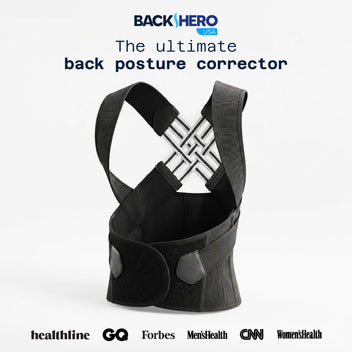
Back Hero USA Posture Corrector for Women & Men designed to heal, relieve upper back pain, and correct poor...
Symptoms & Early Warning Signs
Recognizing the early symptoms of a Dowager’s Hump is important because the condition is much easier to correct in its early stages. Many signs appear gradually and are often linked to poor posture, muscle imbalance, or structural changes in the spine.
1. Tightness in the Neck and Upper Back
Persistent stiffness in the upper spine area is one of the first indicators. Tight muscles work harder to support the forward head position.
2. Constant Forward Head Posture
The head naturally drifts forward instead of staying aligned with the shoulders. This increases strain on the neck and traps.
3. Reduced Mobility
Turning the head, lifting the arms, or straightening the upper back may feel restricted due to muscle tightness and joint stiffness.
4. Headache, Shoulder Pain, or Back Pain
Overworked neck and upper-back muscles can trigger tension headaches and radiating pain.
5. Height Loss Over Time
A gradually increasing curve can make a person appear shorter.
6. Fat Pad at the Base of the Neck
A visible bump or fatty pad often appears in the C7–T1 area as the hump develops.
How To Get Rid of Dowager’s Hump

Improving a Dowager’s Hump requires a combination of posture correction, targeted exercises, muscle strengthening, and consistent daily habits. Most people begin noticing improvement within 4–12 weeks with proper routine and discipline.
1. Posture Correction
Strengthening postural muscles—especially the upper back and neck stabilizers—helps realign the head and spine. Consistent posture awareness is key; small daily adjustments prevent the hump from worsening.
Most people see visible improvement in 1–3 months, depending on severity.
An ergonomic desk setup can make a huge difference: keep the screen at eye level, elbows at 90°, feet flat, and avoid leaning forward.
2. Best Exercises to Reduce Dowager’s Hump
These exercises improve alignment and mobility:
- Chin Tucks – Strengthen deep cervical flexors and reduce forward head posture.
- Wall Angels – Open the chest, activate upper-back muscles, and improve shoulder alignment.
- Thoracic Extension with Foam Roller – Restores mobility in the upper spine.
- Neck Stretches – Loosen tight muscles pulling the head forward.
- Scapular Retraction Exercises – Strengthen rhomboids and mid-traps.
Step-by-step images are recommended for clarity and proper form.
3. Massage & Myofascial Release
Target trigger points in the traps, neck, and upper-back fascia.
Benefits include reduced stiffness, improved blood flow, and easier posture correction.
4. Chiropractic & Physical Therapy
Chiropractors may use spinal adjustments to improve thoracic mobility.
Physical therapists often provide posture retraining therapy, manual therapy, stretching, and mobilization techniques to restore healthy alignment.
5. Strengthening the Upper Back
Focus on:
- Rhomboids – Pull the shoulders back.
- Trapezius (mid & lower) – Support shoulder blade stability.
- Deep Cervical Flexors – Control head alignment.
Muscle imbalance—weak back muscles and tight chest/neck muscles—is a major cause of hump formation.
6. Lifestyle & Daily Habits
- Maintain proper sitting posture.
- Avoid text neck by holding your phone at eye level.
- Optimize workplace ergonomics to reduce slouching.
- Choose proper sleep positions and pillow height to prevent forward head posture overnight.
Medical Treatments
While many cases of Dowager’s Hump improve with posture correction and exercise, some situations require medical attention. You should see a doctor if the hump is painful, progressive, or causing numbness, weakness, or noticeable height loss.
Osteoporosis-Related Humps
If vertebral compression fractures from osteoporosis are involved, treatment may include bone-strengthening medications, calcium and vitamin D supplements, and weight-bearing exercises to prevent further collapse.
Imaging for Severe Cases
Doctors may order X-rays to measure kyphosis or MRI scans to check for nerve compression, fractures, or disc damage.
Minimally Invasive Treatments
In select cases, trigger-point or joint injections can reduce pain, and procedures like vertebroplasty or kyphoplasty may stabilize fractured vertebrae.
Surgery (Rare)
Surgical correction is considered only for severe deformities that cause nerve, lung, or functional issues and do not respond to conservative treatments. It typically involves spinal stabilization with rods, screws, or bone grafts.
Prevention Tips
Preventing a Dowager’s Hump is easier than correcting it once it develops. Consistent daily habits can protect your spine and posture.
1. Daily Posture Routine
Frequently check your posture throughout the day. Keep your ears aligned over your shoulders, chest open, and core lightly engaged. Short posture resets every hour can prevent your spine from slumping.
2. Strengthening Habits
Regularly strengthen the upper back, rhomboids, trapezius, and deep neck flexors. Strong postural muscles support proper alignment, reduce forward-head posture, and help maintain a natural spinal curve.
3. Maintain Bone Health
Consume sufficient vitamin D and calcium and engage in weight-bearing exercises to support vertebral strength. This is especially important with aging to prevent compression fractures that worsen kyphosis.
4. Avoid Prolonged Slouching
Change positions every 30–45 minutes. Avoid leaning forward when sitting, working at a desk, or using a phone.
5. Regular Mobility Exercises
Incorporate thoracic extensions, shoulder-opening stretches, and neck mobility exercises. Keeping the spine flexible reduces stiffness and helps maintain proper posture over time.
Back Hero USA Posture Corrector: Daily Support for a Healthier Spine

After learning about Dowager’s Hump—its causes, symptoms, and ways to correct it—it’s clear that posture support plays a key role in both prevention and recovery. While exercises, stretches, and lifestyle adjustments are essential, using a posture device can provide extra guidance and reinforcement throughout your day.
If you're trying to break free from bad sitting habits, the Back Hero USA Posture Corrector can provide valuable support. This device is designed to gently guide your spine into proper alignment, helping you understand how poor posture affects your body and how to prevent further strain.
Key Benefits:
-
Supports Natural Spine Alignment – Maintains upper and lower back curves, preventing slouching, hunching, and forward-head posture.
-
Reduces Muscle Fatigue – Provides support to neck, shoulders, and upper back for more comfortable sitting.
-
Encourages Muscle Memory – Trains your body to naturally maintain correct posture over time.
-
Ideal for Daily Use – Lightweight, comfortable, and wearable under clothing at home, work, or during light activities.
-
Helps Prevent Long-Term Damage – Reduces strain, stiffness, and muscle imbalance associated with poor posture.
Size and Color:
Back Hero USA Posture Corrector features adjustable straps that comfortably fit sizes S–2XL, making it easy for anyone to achieve the right support. It’s also available in two stylish colors: Pink and Black, so you can choose the look that fits your style.
Conclusion
A Dowager’s Hump is an exaggerated upper-back curve that forms due to poor posture, weak muscles, aging, or osteoporosis. While it can affect appearance and comfort, most cases improve with consistent exercises, posture correction, and healthy habits. Realistic expectations are key—visible results take time, and severe cases may require medical treatment.
By maintaining daily posture awareness, strengthening postural muscles, and supporting spinal health, you can reduce the hump, prevent worsening, and restore a more natural, aligned spine.
Frequently Asked Questions
1. Can a Dowager’s Hump go away naturally?
Mild humps may improve over time with posture awareness, exercises, and lifestyle adjustments, but severe cases usually require targeted interventions.
2. How long does it take to fix a Dowager’s Hump?
Improvement typically appears within 4–12 weeks of consistent exercise, posture correction, and ergonomic habits. Full correction may take several months depending on severity.
3. Can weight loss reduce a neck hump?
If excess fat contributes to the hump, weight loss may help, but exercises and posture correction are essential for structural improvement.
4. Can sleeping without a pillow help?
Proper pillow height is more important than going pillowless. Neutral neck alignment during sleep supports posture and reduces hump progression.
5. Is Dowager’s Hump permanent?
Severe or longstanding humps may be difficult to fully reverse, but consistent exercises, posture retraining, and medical treatment can significantly reduce appearance and discomfort.

