

Many of the most helpful tips to prevent back pain are not complicated. They come from how you sit, stand, move, and rest each day. When your spine is supported and your posture is balanced, your muscles share the load and your back does not have to fight so hard to keep you upright.
In this guide, Back Hero USA breaks down practical, real life ways to reduce strain on your spine at your desk, on the sofa, and in bed. You will also see how Back Hero USA Posture Corrector, the Lumbar Support Cushion, the Massage Roller, and the Butterfly Memory Foam Neck Pillow work together to support a healthier, more comfortable back from morning to night.
In this article
Why Preventing Back Pain Matters Early

Back pain rarely appears out of nowhere. It usually builds up from small habits that overload your spine. Weak support muscles, poor posture, and long periods of sitting can slowly irritate discs, joints, and nerves.
Using helpful tips to prevent back pain before symptoms become severe makes it easier to stay active, work comfortably, and sleep better. Early action also reduces the chance that simple stiffness turns into chronic pain.
Helpful Tips to Prevent Back Pain in Daily Life

The most effective helpful tips to prevent back pain fit into things you already do every day. Small adjustments to sitting, standing, and moving can take a lot of pressure off your spine.
Sit with support, not in a slump
How you sit has a huge impact on your lower back.
- Keep your feet flat on the floor, not tucked under you
- Hips level with or slightly above your knees
- Sit back into the chair instead of perching on the edge
If you sit a lot, a guide such as How to Correct a Bad Sitting Posture? is a great companion resource to explore this topic in more detail.
Use lumbar support to keep your natural curve

Your lower back should have a gentle inward curve. When that curve collapses, your spine turns into a C shape and your back muscles work harder.
The Lumbar Support Cushion helps you:
- Fill the gap between your lower back and the chair
- Maintain a healthy curve instead of rounding forward
- Reduce pressure on the discs and joints in your lumbar spine
- You can use it on office chairs, dining chairs, car seats, and even some sofas.
Stand tall and share weight evenly
Standing with poor posture can stress your back as much as sitting.
- Keep your weight on both feet, not just one hip
- Soften your knees instead of locking them
- Gently draw your shoulders back and imagine your head floating above your spine
- A tall, relaxed stance spreads load through your whole body instead of dumping it into your lower back.
Move often, even if you work at a desk
Your spine loves movement. Even the best sitting posture causes strain if you hold it for too long.
Helpful tips to prevent back pain at work include:
- Standing up every 30 to 60 minutes
- Walking for a minute, rolling your shoulders, and gently twisting your torso
- Changing your position instead of staying frozen
Short, frequent breaks protect your back much better than one long stretch at the end of the day.
Strengthen your core and upper back
A strong core and upper back act like a built in support system for your spine.
You can:
- Add simple bodyweight moves like bridges, bird dogs, and planks a few times a week
- Strengthen your upper back with rows or band pull aparts
- Focus on quality and control rather than heavy loads
If you plan to include stretch based routines, a future resource such as 12 Best Posture Stretches to Improve Posture and Reduce Pain will pair perfectly with this section.
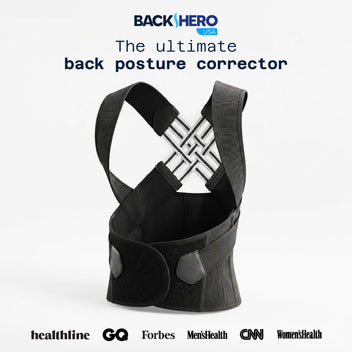
Back Hero USA Posture Corrector for Women & Men designed to heal, relieve upper back pain, and correct poor...
How Back Hero USA Tools Support a Healthier Back
These helpful tips to prevent back pain become much easier to apply when you use tools that support good posture and muscle balance.Back Hero USA products are designed to work with your body, not against it.
Back Hero USA Posture Corrector

Back Hero USA Posture Corrector is the main posture tool in this setup. It focuses on your upper back and shoulders, which strongly influence how your entire spine stacks.
Back Hero helps you:
- Gently guide your shoulders back so they do not roll forward
- Open your chest so your head can sit more easily over your spine
- Reduce tension across the neck, upper back, and shoulders that often leads to back pain
Key features:
- Lightweight, breathable material suitable for daily use
- Adjustable straps to fit different body sizes and shapes
- Soft shoulder padding for comfort
- Slim profile so you can wear it under or over many tops
Use Back Hero in short sessions as a reminder, not a rigid brace. The goal is to teach your muscles what healthy posture feels like so they can hold it on their own.
Massage Roller

The Massage Roller addresses tight muscles, which are a hidden cause of many back problems.
It can help you:
- Release tension in the upper back, lower back, hips, and legs
- Improve blood flow so muscles recover faster
- Reduce the feeling of stiffness that builds up after long sitting or standing
Regular, gentle rolling keeps muscles softer so they do not pull as hard on your spine.
Butterfly Memory Foam Neck Pillow
Back pain and neck pain often go together, especially if your sleep position works against your spine.

The Butterfly Memory Foam Neck Pillow supports your neck and upper spine while you sleep so you do not undo your daytime progress overnight.
It is shaped to:
- Keep your neck in line with your spine in back and side sleeping
- Reduce awkward angles that strain upper back and neck muscles
- Help you wake up with less stiffness in your neck and shoulders
A supportive pillow is one of the most underrated helpful tips to prevent back pain, especially if your discomfort is worst in the morning.
Simple Daily Habits to Support Your Spine
Once your tools and setup are in place, these habits keep your back happier long term:
- Do a quick posture check whenever you open your phone or laptop
- Alternate between sitting and standing if you have that option
- Lift with your legs and hips, not your lower back
- Keep heavy bags light and switch sides regularly
- Make stretching and light movement part of your daily routine, not a rare event
Your spine responds to what you do repeatedly, not what you do perfectly once in a while.
Conclusion
The most effective helpful tips to prevent back pain are small, repeatable changes. Supporting your lower back when you sit, staying tall when you stand, moving often, and keeping your muscles strong and flexible all protect your spine from daily stress.
Tools like Back Hero USA Posture Corrector; Lumbar Support Cushion; Massage Roller, Butterfly Memory Foam Neck Pillow make these habits easier to maintain, so your back can work with you instead of against you.
Frequently Asked Questions
1. What is the most important daily habit to prevent back pain?
The most important habit is to avoid staying in one position for too long. Change posture, stand up, and move regularly, even if you have a good chair and perfect setup.
2. Do I have to wear a posture corrector all day for it to work?
No. It is better to start with short sessions, such as 20 to 30 minutes, and use it as a gentle reminder. Your muscles should still do most of the work.
3. Can back pain really come from how I sleep?
Yes. A poor pillow or unsupported position can keep your spine in awkward angles for hours. A supportive pillow and better sleep posture can reduce both morning stiffness and long term strain.
4. Will a lumbar cushion and seat adjustment be enough to fix my back pain?
They often help a lot, especially if your pain comes from sitting. However, you will get better results if you combine them with movement, strength work, and posture awareness.
5. When should I see a doctor or chiropractor about back pain?
You should seek professional advice if pain is severe, lasts more than a few weeks, comes with numbness or weakness, or affects your ability to walk, sleep, or work.

