

What is bad posture and how it affects your health? Bad posture may seem harmless, but over time it can lead to muscle pain, fatigue, and even chronic health problems. From spinal misalignment to reduced confidence, poor posture affects both body and mind.
In this guide, Back Hero USA will explain what causes bad posture, how it impacts your health, and the best ways to correct and prevent it — so you can stand taller, move better, and feel your best.
In this article
What Is Bad Posture?

Bad posture occurs when your body’s alignment puts unnecessary strain on muscles, joints, and ligaments. It typically involves slouched shoulders, a forward head position, or an exaggerated curve in the spine. Over time, these imbalances cause discomfort and limit movement efficiency.
Common examples include hunching over a desk, leaning forward while using a phone, or standing with uneven weight distribution. Good posture, on the other hand, keeps your head, shoulders, and spine in a neutral, balanced position — allowing proper muscle function, breathing, and blood flow.
6 Common Causes of Bad Posture

Bad posture doesn’t happen overnight — it develops gradually from daily habits, lifestyle choices, and physical imbalances. Understanding the root causes is the first step to correcting and preventing it effectively.
Sedentary Lifestyle and Prolonged Sitting
Sitting for long hours, especially with poor ergonomics, weakens your core and back muscles. When these muscles lose strength, your body compensates by slouching or leaning forward, leading to postural imbalance. Over time, this becomes your default sitting or standing position.
Poor Ergonomic Setup

Using the wrong chair height, desk level, or screen position can cause your shoulders to hunch and your neck to strain. Without proper support, your spine adapts to this unnatural alignment, resulting in stiffness and chronic discomfort.
See more: Working safely with display screen equipment
Muscle Imbalances and Weak Core
Weak abdominal and back muscles are among the leading causes of poor posture. When these muscles can’t properly support your spine, other muscles — like those in your neck or shoulders — overwork, creating tension and imbalance.
Technology Use (Tech Neck)

Constantly looking down at your phone or laptop causes “text neck,” a modern posture problem. The forward head position strains your cervical spine, leading to neck pain and rounded shoulders.
Stress and Fatigue
Stress often makes people tighten their neck and shoulder muscles unconsciously. Combined with fatigue, this leads to slouching and upper-back rounding. Over time, this pattern becomes habitual.
Improper Footwear and Heavy Bags
High heels, unsupportive shoes, or carrying heavy bags on one shoulder all disrupt your body’s balance. These habits cause your hips, spine, and shoulders to compensate, worsening posture alignment.
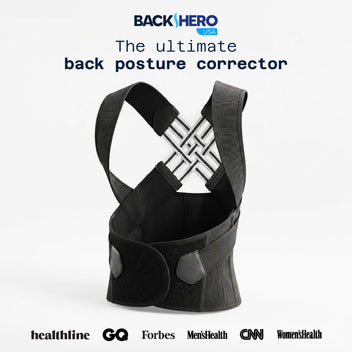
Back Hero USA Posture Corrector for Women & Men designed to heal, relieve upper back pain, and correct poor...
How Bad Posture Affects Your Health

Bad posture doesn’t just change your appearance — it affects your entire body’s performance. Here’s how:
Chronic Back, Neck, and Shoulder Pain
Poor posture strains muscles and ligaments that support the spine. Over time, this leads to inflammation, tension, and chronic discomfort, especially in the lower back and neck.
Reduced Lung Capacity and Breathing Efficiency
Slouching compresses your chest cavity, restricting lung expansion. Limited oxygen intake can cause fatigue, poor focus, and even anxiety. Maintaining an upright posture supports better breathing and energy levels.
Digestive and Circulatory Problems
Sitting hunched over can compress abdominal organs, slowing digestion and reducing circulation. This may lead to bloating, acid reflux, or constipation over time.
Headaches and Nerve Compression
Forward head posture strains the neck and upper spine, often triggering tension headaches and pinched nerves. These issues can radiate pain to the shoulders and arms.
Lower Energy, Mood, and Confidence
Studies show posture influences emotion and confidence. Upright posture promotes alertness and positivity, while slouching is linked to fatigue, low mood, and self-consciousness.
Long-Term Risks of Ignoring Bad Posture

Ignoring bad posture may seem harmless at first, but over time, it can lead to serious and lasting health consequences. Poor alignment affects not just your muscles and joints but also your energy, mood, and even internal organs. Here are the long-term risks of leaving bad posture unaddressed:
Chronic Pain and Muscle Imbalance
Over time, slouching or hunching places continuous strain on your neck, shoulders, and back. This leads to chronic tension, muscle imbalances, and stiffness that can make even simple movements painful.
Spinal Degeneration
Poor posture accelerates wear and tear on the spine, increasing the risk of herniated discs, nerve compression, and joint degeneration. Once spinal damage occurs, it can be difficult — and sometimes impossible — to reverse.
Decreased Lung Capacity and Circulation
Slouching compresses the chest cavity, reducing oxygen intake and restricting blood flow. This can result in fatigue, poor concentration, and slower recovery after physical activity.
Digestive and Organ Issues
A hunched posture can put pressure on abdominal organs, interfering with digestion and leading to issues such as bloating, constipation, or acid reflux over time.
Mental and Emotional Effects
Bad posture doesn’t just affect your body — it can influence your mood and confidence. Studies show that people with poor posture often experience lower self-esteem, increased stress, and even symptoms of depression.
Does Bad Posture Reduce Life Span?
While bad posture itself doesn’t directly shorten your life, its long-term effects can indirectly impact overall health and longevity. Poor posture contributes to chronic pain, restricted breathing, poor circulation, and reduced physical activity — all of which can lower your quality of life and increase health risks over time.
When you slouch or hunch, your lungs can’t fully expand, reducing oxygen flow to your body and brain. This can lead to fatigue, slower metabolism, and cardiovascular strain. Chronic muscle tension from misalignment may also cause stress and inflammation, both linked to faster biological aging.
Conversely, maintaining good posture supports proper breathing, joint health, and mobility — key factors in living a longer, more active life. In short, posture may not be a “life span killer,” but improving it helps you stay energetic, pain-free, and resilient well into later years.
How to Correct Bad Posture

Fixing bad posture takes awareness, consistency, and the right approach.
Strengthen Your Core and Back
Your core and back muscles are your body’s foundation for good posture. Weakness in these areas often leads to slouching and poor alignment. Focus on exercises like planks, bridges, rows, and supermans to strengthen the muscles that support your spine. A strong core naturally encourages upright posture without feeling forced.
Stretch Tight Muscles
Bad posture often stems from tightness in the chest, neck, and hip flexors. These muscles pull the body forward, rounding the shoulders and curving the spine. Incorporate daily stretches such as doorway chest openers, shoulder blade squeezes, and hip flexor stretches to restore flexibility and balance.
Improve Ergonomics
Your environment has a huge impact on your posture. Adjust your workspace to reduce strain — keep your monitor at eye level, sit with your back supported, and position your keyboard so your arms stay relaxed. When using your phone, lift it up to eye level instead of bending your neck down. These small adjustments can make a big difference over time.
Be Consistent and Mindful
Posture correction takes awareness and repetition. Check in with your posture several times a day — especially when sitting for long periods. Take short breaks every 30–45 minutes to stretch, walk, or adjust your position. The more consistent you are, the faster your body develops muscle memory for good posture.
Support Healthy Lifestyle Habits
Staying active, sleeping well, and maintaining a balanced diet all contribute to spinal health. Regular movement improves circulation and flexibility, while rest allows your muscles to recover. Avoid sitting or standing too long in one position and practice good body mechanics during daily tasks.
Back Hero USA Posture Corrector – Your Best Support for Posture Correction

The Posture Corrector by Back Hero USA is designed for real, lasting results. Its ergonomic shape, adjustable straps, and breathable materials provide all-day comfort while gently guiding your shoulders and spine into proper alignment. Discreet enough to wear under clothes, it’s perfect for work, travel, or home use. With regular use, it helps strengthen muscles, relieve pain, and promote long-term posture improvement naturally and safely.
See more:
Are Posture Correctors Good? What Science and Experts Say
What are the Benefits of Back Posture Corrector?
How to Use A Posture Corrector
Conclusion
Your posture influences your comfort, confidence, and long-term health. While bad posture is common, it’s completely fixable with awareness, exercise, and proper support.
At Back Hero USA, we’re dedicated to helping you achieve better alignment through education, expert tips, and innovative products like the Back Hero USA Posture Corrector — so you can move freely and live pain-free.
Frequently Asked Questions
1. Can bad posture really affect internal organs?
Yes, slouching compresses your chest and abdomen, restricting breathing and digestion.
2. How long does it take to fix bad posture?
With consistent effort, most people see improvement within 2–6 months.
3. Is using a posture corrector safe?
Yes, when used properly and for short daily sessions, it’s a safe and effective training tool.
4. Can exercise alone fix bad posture?
Exercise helps greatly, but combining it with ergonomic habits and awareness offers the best results.
5. What’s the best posture corrector for daily use?
Back Hero USA Posture Corrector — lightweight, adjustable, and proven to support healthy spinal alignment.

