

How Does Poor Sleep Affect Your Health? The effects go far beyond feeling sleepy or unfocused the next morning. Night after night of poor quality sleep can quietly strain your heart, weaken your immune system, disrupt hormones, and make back and neck pain much harder to manage.
In this guide, Back Hero USA explains how sleep and whole body health are connected, from mood and metabolism to spine alignment and daily comfort. You will also see how tools like our Butterfly Memory Foam Neck Pillow, Lumbar Support Cushion, and Posture Corrector can support better posture and deeper rest as part of a full body wellness routine.
In this article
Why Sleep Is More Than Just Rest

Sleep is an active repair time for your body, not just an off switch. During deep and REM sleep, the brain clears waste, tissues repair, hormones reset, and your cardiovascular and immune systems rebalance. When you regularly sleep less than the recommended 7 to 9 hours, almost every system starts to feel the strain.
Poor sleep has been linked to higher blood pressure, weight gain, insulin resistance, lower immunity, mood changes, and a greater risk of chronic diseases such as heart disease and type 2 diabetes.
Short Term Effects Of Poor Sleep

In the short term, how does poor sleep affect your health shows up in ways most people recognize quickly.
Mood, focus, and energy
Even a few nights of bad sleep can cause:
- Irritability and mood swings
- Trouble concentrating and slower reaction time
- Brain fog and forgetfulness
Studies show that inadequate sleep disrupts key neural processes and cognitive function, making it harder to focus, make decisions, and manage stress.
Body aches and posture strain
When you are exhausted, you are more likely to:
- Slouch at your desk or sink into the sofa
- Let your shoulders round and your head drift forward
- Skip stretching, exercise, or proper warm up
This combination increases tension in the neck, shoulders, and lower back. Over time, it can turn occasional stiffness into persistent back or neck discomfort, especially if you are already dealing with posture issues.
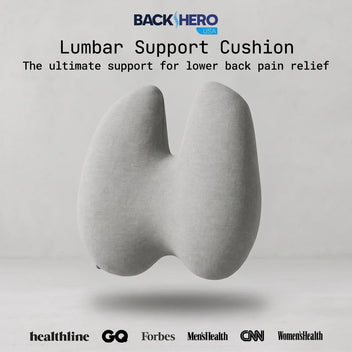
Back N Spine Lumbar Support Cushion offers ergonomic comfort, relieves lower back pain, improves posture, a...
Long Term Health Risks Of Poor Sleep

If poor sleep becomes a habit, it can quietly drive more serious health problems.
Heart and metabolic health
Chronic sleep loss activates the stress response, raises blood pressure, and alters hormones that control appetite and metabolism. Research links short sleep to:
- Higher risk of hypertension and irregular blood pressure patterns
- Increased risk of heart disease and stroke
- Higher chance of weight gain and type 2 diabetes
Immune system and inflammation
Poor sleep changes how your immune system works. Studies show that ongoing sleep deprivation:
- Reduces immune cell activity
- Increases chronic low grade inflammation
- Raises the risk of infections and inflammatory diseases
That is one reason people who sleep poorly get sick more often and take longer to recover.
Mental health and brain function
Lack of sleep is strongly linked to:
- Higher risk of anxiety and depression
- Greater stress reactivity
- Reduced quality of life and productivity
Over years, poor sleep is also associated with faster cognitive decline and memory issues, especially when combined with other risk factors such as stress and inactivity.
How Poor Sleep And Posture Feed Each Other
Sleep and posture influence one another all day long. If you sit with rounded shoulders and a forward head position, you are more likely to develop neck and upper back tension that makes it harder to find a comfortable sleeping position. In turn, poor sleep leaves your muscles tired and less able to support good alignment the next day.
Daytime habits like long hours of screen time, gaming, and phone use can create tech neck and upper back strain, which easily translates into night time discomfort. That is why a full care plan often includes both sleep hygiene and posture exercises, as in a dedicated guide like How to Fix Tech Neck? 10 Best Exercises.
Back Hero USA Tools To Support Better Sleep And Spinal Health
Good sleep starts with a body that can relax into a supported position. Back N Spine tools are designed to make that easier, especially for your neck, back, and shoulders.
Butterfly Memory Foam Neck Pillow

The Butterfly Memory Foam Neck Pillow is shaped to cradle your neck and keep it aligned with your spine while you sleep. It helps you:
- Avoid awkward neck angles that trigger morning pain
- Support the natural curve of your cervical spine
- Reduce tension at the base of your skull that can lead to headaches
Whether you sleep on your back or side, a supportive pillow can be one of the simplest ways to improve both comfort and sleep quality.
Lumbar Support Cushion

If you sit late into the evening or work from a sofa or desk before bed, your lower back can pay the price. The Lumbar Support Cushion helps you:
- Maintain a gentle lumbar curve instead of collapsing into a C shape
- Reduce pressure on lumbar discs and joints during long sitting sessions
- Arrive at bedtime with less built up lower back strain
A calmer, less irritated spine often makes it easier to relax and fall asleep.
Back Hero USA Posture Corrector

During the day, Back Hero USA Posture Corrector can support better alignment so you carry less tension into the night.
- Gently guides the shoulders back to prevent rounding
- Encourages a more neutral upper spine while you work or scroll
- Reduces neck and upper back tightness that often flares when you lie down
It is lightweight, breathable, and adjustable, designed to be worn in short sessions as a posture reminder rather than a rigid brace.
Simple Habits To Improve Sleep Quality
Alongside posture and support tools, these habits make a big difference in how well you sleep and how you feel the next day:
- Keep a consistent sleep and wake time, even on weekends
- Limit screens, bright light, and heavy work in the hour before bed
- Create a relaxing wind down routine such as stretching, reading, or breathing exercises
- Avoid large meals, caffeine, and alcohol close to bedtime
- Keep your bedroom cool, dark, and quiet
- Choose a sleep position that keeps your spine neutral and your neck supported
If you want to go deeper on neck friendly positions, a focused guide such as How to Choose the Best Sleeping Position for Neck Pain will be a natural internal link for this topic.
Conclusion
So, how does poor sleep affect your health in the long run? It touches almost everything. Poor sleep can strain your heart, disrupt hormones, weaken your immune system, and magnify spine and posture related pain. The good news is that small, consistent changes in your sleep habits and posture can bring real relief.
With supportive tools like the Back Hero USA Posture Corrector; Lumbar Support Cushion; Massage Roller, Butterfly Memory Foam Neck Pillow, you can give your body better alignment at night and during the day so recovery actually happens when you sleep.
Frequently Asked Questions
1. How many hours of sleep do adults really need for good health?
Most adults need about 7 to 9 hours of quality sleep per night for optimal physical and mental health. Some may feel fine with slightly less, but regular short sleep is linked to higher health risks.
2. Can poor sleep cause back or neck pain?
Yes. Lack of sleep increases muscle tension and lowers your tolerance for pain. If you already have posture issues or a poor mattress and pillow setup, this combination can easily trigger or worsen back and neck discomfort.
3. How fast can my health improve if I start sleeping better?
Some benefits such as improved mood and focus can appear within days. Deeper changes like better blood pressure, weight balance, and lower inflammation usually take weeks to months of consistent good sleep.
4. Does napping make up for poor sleep at night?
Short naps can help you feel less sleepy and improve performance in the short term, but they do not fully replace the deep, continuous sleep cycles your body needs at night.
5. Can posture tools really help with sleep quality?
They can help indirectly. Better posture during the day and proper neck and back support at night reduce pain and muscle tension, which makes falling and staying asleep much easier.

