

How tight should a posture corrector be? The short answer: it should feel snug and supportive, but never tight enough to cause pain, pressure, or restrict breathing. A proper fit ensures your spine and shoulders align naturally while allowing free movement.
In this guide, Back Hero USA will explain how tight should a posture corrector be, why posture corrector sizing matters, and how to avoid common mistakes when adjusting your device.
In this article
The Importance of Posture Corrector Fitting

Wearing a posture corrector can do wonders for alignment, muscle memory, and confidence — but only if it fits correctly. A well-fitted posture corrector provides gentle tension to pull your shoulders back, relieving pressure on your neck and spine without limiting mobility. According to experts on proper posture and spinal alignment, maintaining neutral shoulder and spine alignment helps reduce unnecessary strain on muscles and joints.
If you’ve ever wondered how tight should a posture corrector be, remember that the goal is gentle support — not compression.
The Balance Between Proper Sizing and Comfort
Finding the right balance between snugness and comfort is key. Your posture corrector should be tight enough to support alignment but comfortable enough to wear for extended periods. When it fits correctly, you should be able to move your arms, breathe easily, and sit or stand naturally. Comfort encourages consistency — and consistency delivers lasting results.
If you’re adjusting and asking yourself again, how tight should a posture corrector be, use comfort and mobility as your main guides.
Risks of Incorrect Fitting
Wearing a poorly fitted posture corrector can lead to several issues:
- Too tight: Can cause restricted blood flow, muscle fatigue, or nerve compression.
- Too loose: Fails to correct posture, allowing slouching to persist.
- Uneven tension: Can create new muscle imbalances or strain certain areas of your back.
An improper fit not only delays results but can also lead to unnecessary discomfort and reduced motivation to wear the brace regularly. To prevent this, make sure you understand how tight should a posture corrector be before daily use.
How Tight Should a Posture Corrector Be?

Many users ask, how tight should a posture corrector be for daily wear? It should feel like a gentle guide that reminds you to sit or stand tall — never something that restricts or strains you.
Identifying the Ideal Tightness
The ideal fit should feel like a gentle reminder, not a restraint. You should sense a light, even pressure across your shoulders and upper back that helps you stay upright without pain or stiffness. For best results, it’s important to understand how to wear a posture corrector for maximum results, including proper strap adjustment, posture awareness, and gradual wear time. Wearing it correctly ensures effective posture training without discomfort.
Here’s how to know you’ve achieved the right tightness:
- You can breathe comfortably and move your arms without restriction.
- Your shoulders naturally roll back into position without feeling forced.
- The corrector stays securely in place without slipping or digging into your skin.
- After removing it, there should be no deep marks, redness, or discomfort.
If your posture corrector feels overly tight, it can lead to muscle fatigue, restricted circulation, or tension headaches. If it’s too loose, it won’t provide enough support to train your muscles effectively.
Adjust until you find a comfortable middle ground that supports — not strains — your posture. When in doubt, remind yourself, how tight should a posture corrector be — snug enough to support, never to squeeze.
Adjusting for Activities
Your posture corrector’s tightness may need slight adjustments depending on what you’re doing. For stationary tasks like working at a desk or studying, a firmer fit can help you maintain upright posture and prevent slouching.
During physical activities or extended wear, loosen the straps slightly to allow better movement and comfort. The aim is to maintain natural posture assistance without restricting your range of motion.
Check your fit regularly throughout the day — especially after changing clothes or positions — to ensure consistent and comfortable support. Over time, as your muscles strengthen, you may find you can wear it slightly looser and still maintain great posture. By consistently checking how tight should a posture corrector be during various activities, you’ll find your perfect balance of comfort and correction — ensuring safe, lasting results.
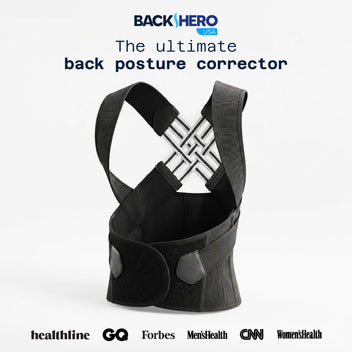
Back Hero USA Posture Corrector for Women & Men designed to heal, relieve upper back pain, and correct poor...
What Size Posture Corrector Do I Need?

Getting the right size is just as important as adjusting tightness. The correct size ensures comfort, even pressure, and optimal alignment support.
Are Back Braces One Size Fits All?
No — most posture correctors come in multiple sizes to suit different body shapes and measurements. While some brands offer adjustable designs, one-size-fits-all braces often compromise between comfort and support.
Measuring for the Right Fit
To measure correctly:
- Use a soft measuring tape.
- Measure around your chest just below the armpits.
- Compare your measurement with the brand’s size chart.
Choosing the correct size ensures your corrector stays effective and comfortable throughout wear.
Understanding Sizing Charts
Always refer to the manufacturer’s size guide. Back Hero USA Posture Corrector, for example, offers multiple sizes to accommodate all body types — ensuring maximum adjustability and a precise fit.
A posture corrector that fits your body perfectly reduces discomfort, enhances posture training, and prevents slippage during movement.
5 Tips on Choosing the Right Posture Corrector and Wearing It Properly
Selecting the right posture corrector and using it correctly are crucial to achieving effective, long-lasting results. Even the best brace won’t work well if it’s the wrong type, size, or worn incorrectly. Learning how to choose the right posture corrector ensures you get the most out of your investment while keeping your spine healthy and supported.
Choose the Right Type for Your Needs
Understanding how to choose the right posture corrector starts with knowing your posture issue. Different correctors target different areas — back braces support the full spine, while shoulder braces focus on upper posture. Women may prefer posture corrector bras for daily comfort. Select a type that best matches your lifestyle and posture goals for maximum effectiveness.
Ensure a Proper Fit
A corrector should feel snug but not restrictive. Always follow the manufacturer’s size chart and adjust straps evenly to maintain comfort and balance. One of the most common mistakes when learning how to choose the right posture corrector is ignoring size — a poorly fitted device won’t deliver proper support or results.
Start Gradually
Begin with 20–30 minutes daily and increase time slowly. This helps your muscles adjust without fatigue or dependency. When understanding how to choose the right posture corrector, remember that gradual use is key to training your muscles safely and effectively.
If you’re new to posture correction, learning how to use a posture corrector properly — from initial fitting to daily wear duration — helps prevent overuse and ensures long-term comfort.
Combine with Exercise and Ergonomics
Support your posture training with core and back strengthening exercises. Maintain good ergonomics — keep screens at eye level, sit with feet flat, and take breaks every 30 minutes. A strong, active back amplifies the results of wearing a posture corrector, which is an essential part of how to choose the right posture corrector and use it correctly.
Regularly Recheck Fit and Condition
As your posture improves, your corrector may fit differently. Adjust or replace it when needed to maintain proper support and comfort. Understanding how to choose the right posture corrector also means knowing when to reassess your fit and upgrade to a new model as your needs evolve.
Consistent, mindful use ensures your posture corrector delivers steady, lasting improvements without discomfort — helping you achieve long-term posture success with confidence.
5 Signs Your Posture Corrector Is Too Tight

A posture corrector that’s too tight can do more harm than good. It should support your body, not strain it. Knowing the warning signs of overtightening helps prevent discomfort and injury.
Pain or Pinching Sensation
If you feel pain around your shoulders, chest, or back, your posture corrector is too tight. It should encourage natural alignment, not compress your muscles.
Restricted Breathing
Tight braces can limit chest expansion and make breathing difficult — a clear sign you need to loosen the straps.
Numbness or Tingling
Reduced circulation or nerve compression from excessive tightness can cause tingling or numbness in your arms or shoulders.
Deep Marks or Skin Irritation
Indentations, redness, or chafing after short wear time indicate the brace is overly tight or improperly fitted.
Headaches or Fatigue
Constant tension from overtightening can lead to muscle strain and tension headaches.
A properly fitted posture corrector should feel supportive but comfortable — allowing movement and deep breathing with ease.
4 Signs Your Posture Corrector Is Too Loose

A loose posture corrector won’t provide enough support to realign your spine effectively. It should fit securely enough to encourage good posture while remaining comfortable.
Shoulders Still Slouch
If you still find yourself hunching or rolling your shoulders forward, your posture corrector is too loose to correct alignment.
Straps Slip or Shift
When straps constantly slide or require frequent readjustment, your brace isn’t tight enough to stay in position.
Lack of Tension or Support
You should feel light pressure reminding your muscles to stay upright. If you barely notice it, the device isn’t working properly.
Rides Up or Moves During Activity
A corrector that shifts or rides up your back while sitting or walking needs better adjustment or resizing.
To fix looseness, tighten the straps evenly and ensure the fit remains balanced on both sides. The goal is gentle but firm support — enough to guide your posture without squeezing.
Back Hero USA Posture Corrector – The Best Posture Corrector in 2026

The Posture Corrector by Back Hero USA has become one of the top-rated posture correction solutions in 2025, known for its combination of comfort, support, and lasting results. Designed for both men and women, it helps realign your shoulders and spine naturally, reduces muscle tension, and promotes long-term postural strength.
Unlike stiff medical braces, the Back Hero is made for everyday wear — whether you’re working at a desk, walking, or relaxing at home. It’s built from lightweight, breathable fabric that provides steady support without feeling bulky, helping you maintain proper alignment throughout your day.
Back Hero USA Posture Corrector’s ergonomic design and easy adjustability make it a reliable partner for anyone looking to improve posture safely and comfortably.
Key Features
Color Options:
- Available in Black, giving you a choice between classic, subtle style and a lighter accent tone.
- The Black version is ideal for wear under work attire; the Pink option adds a touch of personal flair without sacrificing functionality.
Size Options:
- Comes in sizes S, M, L, XL, and 2XL.
- Size chart includes guidance based on height, waistline, and weight—making it easier to choose the right fit for your body type.
Adjustability & Fit:
- Equipped with fully adjustable straps so you can fine-tune how snug the corrector fits.
- The design allows you to start with a gentle fit and gradually increase tension as your posture improves.
Materials & Comfort:
- Made from lightweight, breathable fabric that’s gentle on the skin—designed to be worn for longer sessions without irritation.
- Slim profile allows discreet wear under clothing without feeling bulky or obvious.
Support & Posture Training:
- Helps retrain your shoulders and upper back by encouraging upright alignment and reducing slouching.
Conclusion
A posture corrector should be snug, supportive, and comfortable — never painful or restrictive. With proper sizing, gradual adjustment, and the right device like the Back Hero USA Posture Corrector, you can improve your posture safely and effectively. Remember, posture correction takes time and consistency — not tightness.
Frequently Asked Questions
1. How can I tell if my posture corrector is too tight?
If you feel pain, numbness, or can’t breathe comfortably, it’s too tight.
2. Should a posture corrector be worn over or under clothes?
It’s best worn over a thin shirt to prevent skin irritation.
3. How many hours a day should I wear it?
Start with 20–30 minutes daily and increase to 1–2 hours as your body adapts.
4. Can a posture corrector fix posture permanently?
If you’re still wondering do posture correctors work, the answer depends on how you use them. When combined with proper wear, posture awareness, and strengthening exercises, posture correctors can effectively retrain muscle memory and support long-term alignment.
5. How do I clean my posture corrector?
Hand wash with mild detergent and air dry to maintain elasticity and shape.

