

How to Avoid Back Pain? The best approach is to understand what triggers it and apply daily habits that protect your spine. Back pain is one of the most common health issues today, and small lifestyle improvements can make a significant difference.
In this Back Hero USA guide, you’ll learn proven ways to reduce strain, improve posture, strengthen core muscles, and maintain long-term spinal health. Whether you sit for long hours, lift heavy items, or simply want a pain-free routine, these prevention strategies will help you stay active and comfortable.
In this article
What Causes Back Pain?

Back pain often develops gradually, and understanding its causes is the first step in prevention. Below are the most common contributing factors:
1. Poor Posture
- Sitting for long hours, especially at a desk
- Slouching or leaning forward
- Using a non-ergonomic chair
These habits place continuous strain on the spine and lower-back muscles.
2. Muscle Weakness
- Weak core or hip muscles
- The lower back is forced to work harder to maintain stability
This imbalance increases the risk of discomfort and injury.
3. Improper Lifting Techniques
- Bending from the waist instead of the knees
- Twisting while carrying heavy items
- Sudden, awkward movements
These actions can cause muscle strain or ligament sprain.
4. Repetitive Movements & Overexertion
- Repeated motions at work or during exercise
- Pushing the body beyond its physical limit
Overuse leads to inflammation and chronic tension.
5. Medical Conditions
Certain health issues are commonly linked to chronic or recurring back pain, including:
- Herniated discs
- Arthritis
- Sciatica
- Spinal stenosis
6. Lifestyle Factors
- High stress levels
- Lack of physical activity
- Obesity
- Poor sleep quality
These factors can increase muscle tension and worsen existing pain.
How to Avoid Back Pain: Best Prevention Strategies
Learning how to avoid back pain begins with strengthening your entire spine-support system and adjusting daily habits that impact your posture, movement, and muscle balance.
1. Maintain Proper Posture
Good posture keeps your spine aligned and reduces unnecessary stress. When sitting, keep your feet flat, shoulders relaxed, and your back supported by the chair’s lumbar area. Avoid hunching over phones or laptops. If you work long hours at a desk, use an ergonomic setup to encourage neutral posture.
2. Strengthen Your Core
A strong core is essential for preventing back pain. Weak abdominal and hip muscles force your lower back to compensate, leading to strain. Include planks, bridges, and bird-dog exercises in your weekly routine to build stability and support your spine.
3. Move Frequently and Avoid Prolonged Sitting
One of the easiest ways to learn how to avoid back pain is to break up long sitting periods. Stand up every 30–45 minutes, stretch your shoulders, and rotate your spine gently. Even a short walk improves circulation and reduces stiffness.
4. Lift Items Safely
Always lift with your legs, not your back. Bend your knees, keep objects close to your body, and avoid twisting. Practice this method consistently, whether lifting groceries or heavier items at work.
5. Optimize Your Workspace
An ergonomic environment is crucial for anyone learning how to avoid back pain. Adjust your chair height, keep your monitor at eye level, and position your keyboard so your wrists stay neutral. Small adjustments make a huge difference over time.
6. Improve Sleep Position and Mattress Support
Sleeping in a spine-friendly position prevents overnight strain. Side sleeping with a pillow between your knees or back sleeping with a pillow under your knees reduces pressure. Choose a medium-firm mattress that supports natural spinal curves.
7. Manage Stress and Muscle Tension
Stress tightens your muscles and can trigger back pain. Deep breathing, stretching, yoga, or massage therapy helps relax the body and improve flexibility.
8. Maintain a Healthy Weight
Extra weight, especially around the abdomen, adds pressure to the lower back. Balanced nutrition and regular exercise help reduce this strain and support long-term spinal health.
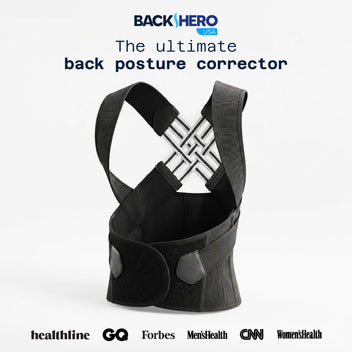
Back Hero USA Posture Corrector for Women & Men designed to heal, relieve upper back pain, and correct poor...
Daily Habits to Keep Your Back Healthy

Building consistent daily habits is one of the most effective ways to learn how to avoid back pain and protect your spine long term. Below are simple, practical habits you can follow every day:
1. Start Your Day with Gentle Stretching
- Begin with 3–5 minutes of light stretches: knee-to-chest, cat–cow, and slow spinal rotations.
- These movements activate your core, warm up stiff muscles, and prepare your spine for daily activity.
A flexible spine is less likely to strain or tighten throughout the day.
2. Maintain Mindful Posture Throughout the Day
- Keep your shoulders relaxed and avoid rounding them forward.
- Gently engage your core to support your lower back.
- When using your phone or laptop, bring the screen closer instead of bending your neck down.
Good posture reduces pressure on your discs and keeps your spine in its natural alignment.
3. Move Frequently (Avoid Long Sitting Periods)
- Stand up every 45–60 minutes and walk or stretch for 1–2 minutes.
- Consider using a timer or reminder if you sit for work.
- Incorporate small movements: shoulder rolls, neck stretches, or standing hip shifts.
Regular movement improves circulation and prevents stiffness, a major factor in back pain.
4. Stay Hydrated
- Drink water consistently throughout the day—not only when you feel thirsty.
- Well-hydrated spinal discs maintain their cushioning ability.
Dehydration can make your discs dry, thin, and more vulnerable to compression.
5. Avoid Carrying Heavy or One-Sided Loads
- Switch from shoulder bags to backpacks with two straps.
- Distribute weight evenly when carrying groceries or work equipment.
- Consider making multiple trips rather than loading everything at once.
Uneven loads cause muscle imbalance and can pull your spine out of alignment.
6. Wear Supportive Footwear
- Choose shoes with proper arch support and cushioning.
- Limit high heels, which shift your body weight forward and strain your lower back.
Proper footwear supports better posture and reduces shock on your spine.
7. End Your Day with Relaxation
- Try 5–10 minutes of gentle stretching to release muscle tension.
- Use deep breathing or a warm compress on tight areas.
- This helps your body recover from the physical stresses of the day.
Relaxed muscles support a healthier, more flexible spine overnight.
When to See a Doctor
Even when you know how to avoid back pain, there are times when professional medical help is necessary. Early evaluation can prevent long-term complications.
1. Pain Lasting More Than 2–4 Weeks
If your back pain doesn’t improve despite rest, exercise, posture changes, or home care, it may indicate an underlying issue.
Chronic pain often requires medical evaluation to prevent worsening symptoms.
2. Pain with Numbness, Tingling, or Weakness
Symptoms such as numbness, pins-and-needles, spreading leg pain, or muscle weakness suggest nerve involvement. This can indicate conditions like sciatica or nerve compression, which benefit from early treatment.
3. Sudden Severe Pain After an Injury
Intense pain following a fall, accident, or lifting something heavy could signal torn ligaments, disc damage, or even fractures. It’s important to rule out serious injuries before continuing normal activities.
4. Red-Flag Symptoms (Seek Immediate Help)
- Fever without explanation
- Unintended weight loss
- Pain that wakes you at night or gets worse when lying down
- Loss of bladder or bowel control
These symptoms may indicate infections, inflammatory conditions, or serious spinal disorders that require urgent attention.
5. Recurring or Frequent Back Pain
- Back pain that keeps returning or interferes with daily life should not be ignored.
- Recurring pain may need imaging tests, physical therapy, or personalized exercise programs.
Early diagnosis helps prevent chronic issues and long-term mobility problems.
Explore Back Hero USA Posture Corrector

The Back Hero USA Posture Corrector is specially designed for individuals looking for practical ways to support their spine and learn how to avoid back pain caused by poor posture, long sitting hours, or muscle strain. By helping realign your spine and reducing daily tension, it promotes healthier posture habits that protect your back throughout the day.
How It Helps With Back Pain
- Spine Alignment: Gently pulls your shoulders back to restore a neutral spine position.
- Muscle Relief: Reduces pressure on the lower and upper back muscles, easing stiffness and fatigue.
- Better Posture Awareness: Encourages proper posture during work, driving, or daily activities.
Who Should Use It
- Office workers
- Students
- Drivers
- Fitness beginners
- Anyone dealing with chronic or occasional back discomfort
Why Choose Back Hero USA Posture Corrector
1. Built for Everyday Durability
Constructed with high-quality, long-lasting materials that maintain their shape and support—even with daily use. Ideal for long-term users focused on how to avoid back pain through consistent posture improvement.
2. Ergonomic, Comfortable Design
Its posture-aligning structure fits naturally to your body, helping you sit, stand, and move with better form—without feeling restricted.
3. Proven Support for Back Pain Relief
Posture Corrector gently corrects posture, reduces muscle overload, and minimizes pressure on the spine. This helps ease both general back tension and specific issues like lower right back discomfort.
4. A Safe, Non-Invasive Solution
No drugs, no complicated methods—Back Hero offers a simple, practical way to support spine health throughout your day.
5. Ideal If You Often Wonder About Lower Right Back Pain
If you frequently ask yourself, “When Should I Worry About Lower Right Back Pain?”, Back Hero helps you manage early symptoms before they progress. By improving alignment and reducing strain, it provides consistent support where your lower back needs it most.
Size and Color:
The Back Hero USA Posture Corrector features adjustable straps that comfortably fit sizes S–2XL, making it easy for anyone to achieve the right support. Available in one stylish color— Black.
Conclusion
Learning how to avoid back pain starts with understanding what causes it and building healthy habits that protect your spine. By improving your posture, strengthening your core, staying active, and optimizing your daily routine, you can significantly reduce the risk of developing back pain.
Early care and prevention are always better than long-term treatment. With consistent effort—and the right support tools—you can maintain a strong, flexible, and pain-free back for years to come.
Frequently Asked Questions
1. What is the easiest way to learn how to avoid back pain?
By maintaining proper posture, taking frequent movement breaks, and strengthening your core.
2. Can exercise really help with back pain prevention?
Yes. Strong core muscles reduce strain on your spine and improve stability.
3. Does sleeping position affect back pain?
Absolutely. Proper pillow placement and a supportive mattress reduce overnight pressure on your spine.
4. How to avoid back pain if I sit all day?
Use ergonomic furniture, sit upright, take hourly breaks, and stretch regularly.
5. When should I worry about my back pain?
If pain lasts more than two weeks, causes numbness or weakness, or follows an injury, seek medical advice.

