

How to Prevent Scoliosis From Getting Worse - It starts with early awareness, consistent posture care, and targeted strengthening of the muscles that support the spine. While scoliosis cannot always be reversed, its progression can often be slowed through proper exercise, daily movement habits, and supportive lifestyle adjustments. Identifying risk factors early and applying the right strategies helps reduce uneven spinal stress over time
In this guide, Back Hero USA shares practical, evidence-based strategies to help you understand scoliosis progression and learn how to prevent scoliosis from getting worse safely and naturally.
In this article
What Causes Scoliosis to Get Worse Over Time?

Scoliosis progression differs from person to person, but certain factors significantly increase the likelihood that a spinal curve will worsen. Understanding these causes is an important step in learning how to prevent scoliosis from getting worse and protect long-term spine health.
1. Growth and Age
Age plays a major role in scoliosis progression.
- Children and adolescents are most at risk during growth spurts, when the spine lengthens rapidly and curves can worsen quickly.
- Adults may experience gradual progression due to age-related degeneration of spinal discs and joints, which reduces stability and support.
2. Curve Severity and Type
The size and structure of the curve matter.
- Larger curves are more likely to progress than mild ones, especially without monitoring.
- Structural imbalances, muscle weakness, and uneven weight distribution can increase stress on the curved area, accelerating progression.
3. Lifestyle and Postural Habits
Daily habits can either support or strain the spine.
- Poor posture, prolonged sitting, and limited physical activity place uneven pressure on spinal structures.
- Weak core and back muscles reduce the spine’s ability to maintain proper alignment, reinforcing faulty movement patterns over time.
4. Lack of Early Intervention
One of the most common reasons scoliosis worsens is delayed care.
- Without early assessment, posture awareness, or guided exercise, small curves may progress unnoticed.
- Regular checkups, strength training, and daily posture support are key elements of how to prevent scoliosis from getting worse over time.
Can Scoliosis Be Prevented From Worsening?
Scoliosis cannot always be completely prevented, but in many cases, its progression can be effectively managed and slowed. This distinction is essential when discussing how to prevent scoliosis from getting worse in a safe and realistic way.
Focus on Management, Not Cure
From a medical perspective, scoliosis prevention emphasizes early detection and consistent management rather than complete correction.
- Mild to moderate curves often respond well to conservative approaches
- The goal is to minimize uneven spinal loading and support healthier alignment over time
Conservative Strategies That Help
Non-surgical methods play a key role in slowing progression, including:
- Posture correction and daily alignment awareness
- Targeted exercises to improve muscle balance and spinal support
- Lifestyle adjustments that reduce repetitive strain on the spine
When applied consistently, these strategies can significantly reduce the risk of worsening curves.
The Importance of Timing
Timing greatly affects outcomes.
- Intervention during growth phases or early adulthood is generally more effective
- Regular monitoring allows early detection of curve changes
- Timely adjustments in care help prevent small issues from becoming larger problems
Individualized Approach Matters
Scoliosis management is never one-size-fits-all. Results depend on factors such as:
- Age and stage of growth
- Curve type and severity
- Activity level and overall health
Most successful plans combine movement, muscle strengthening, ergonomic habits, and, when needed, external support.
A Proactive Path Forward
While scoliosis may not always be fully preventable, adopting proactive strategies greatly improves long-term outcomes. Consistent care, awareness, and early intervention remain central to how to prevent scoliosis from getting worse safely and effectively.
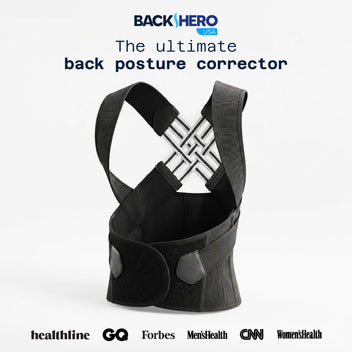
Back Hero USA Posture Corrector for Women & Men designed to heal, relieve upper back pain, and correct poor...
How to Prevent Scoliosis From Getting Worse Naturally

Learning how to prevent scoliosis from getting worse naturally starts with daily habits that support spinal balance, improve muscle coordination, and reduce unnecessary strain on the spine.
1. Practice Posture Awareness
Posture is the foundation of natural scoliosis management.
- Maintain neutral alignment while sitting, standing, and walking
- Keep screens at eye level to avoid forward head posture
- Avoid prolonged slouched sitting or uneven weight bearing
Small, consistent posture adjustments help distribute spinal load more evenly and reduce asymmetrical pressure.
2. Strengthen Core and Back Muscles
A strong core provides essential support for the spine.
- Focus on controlled, balanced strengthening exercises
- Prioritize deep core and postural muscles rather than aggressive training
- Avoid uneven or high-impact loading that may increase strain
Proper strength helps the body compensate for curvature-related imbalances.
3. Improve Flexibility and Mobility
Flexibility is just as important as strength.
- Tight muscles in the hips, chest, and lower back can pull the spine further out of alignment
- Gentle, consistent stretching supports healthier movement patterns
- Improved mobility reduces compensatory tension around the curve
4. Stay Physically Active
Regular movement promotes circulation, joint health, and coordination.
- Low-impact activities such as walking, swimming, and guided yoga are often beneficial
- Choose activities that encourage symmetry and controlled motion
- Avoid movements that involve excessive twisting or strain
5. Be Consistent With Daily Habits
Natural methods work best with consistency.
- Daily practice reinforces better posture and movement patterns
- Long-term commitment delivers more stable, sustainable results
When combined, these habits create a strong, natural foundation for anyone serious about learning how to prevent scoliosis from getting worse over time.
Exercises That Help Prevent Scoliosis From Getting Worse

Exercise plays a vital role in how to prevent scoliosis from getting worse, especially when it focuses on balance, control, and symmetry rather than forceful correction.
Focus on Stability and Support
Effective scoliosis exercises aim to support the spine, not force it straight.
- Prioritize core stabilization to reduce uneven spinal loading
- Build postural strength to help the spine maintain better alignment
- Emphasize controlled, mindful movement rather than intensity
Key Exercise Categories
- Core-focused exercises stabilize the trunk and help distribute forces more evenly
- Upper-back strengthening improves shoulder positioning and reduces collapse or rounding
- Gentle spinal mobility maintains movement without excessive strain or compression
Consistency Over Intensity
When it comes to scoliosis, consistency matters more than intensity.
- Short, regular sessions are more effective than infrequent intense workouts
- Exercises should always be performed with proper form and body awareness
- Avoid pain, forcing, or aggressive twisting
Exercises to Use With Caution
Certain movements can increase strain if done improperly.
- Excessive twisting, compression, or one-sided loading should be avoided without guidance
- Individualized exercise selection is key to safe, long-term progress
When done correctly, exercise becomes a cornerstone of how to prevent scoliosis from getting worse safely.
Lifestyle Changes That Support Spine Health

Daily habits have a powerful influence on how to prevent scoliosis from getting worse over time.
Improve Ergonomics
A supportive environment reduces daily strain on the spine.
- Position screens at eye level
- Use chairs that support neutral spinal alignment
- Make small posture adjustments throughout the day
Support Healthy Sleep Habits
Sleep is essential for spinal recovery.
- Choose sleeping positions that maintain spinal neutrality
- Avoid excessive twisting or uneven pressure
- Use a mattress and pillow that suit your posture and comfort needs
Manage Daily Loads
Uneven loading increases spinal asymmetry.
- Avoid carrying heavy bags on one side
- Use well-fitted backpacks with even weight distribution
- Be mindful of lifting and carrying habits
- Reduce Static Stress
Prolonged stillness increases muscle fatigue.
- Take regular movement breaks
- Incorporate gentle activity throughout the day
- Manage stress to reduce tension-related posture changes
Small lifestyle adjustments, practiced consistently, create a strong foundation for long-term spine health.
Common Mistakes That Can Make Scoliosis Worse
Avoiding common mistakes is just as important as doing the right things when learning how to prevent scoliosis from getting worse.
Ignoring Posture or Progression
Assuming scoliosis cannot change often leads to neglect.
- Poor posture habits reinforce asymmetry over time
- Lack of monitoring allows curves to progress unnoticed
Overcorrecting Aggressively
Trying to “force” correct posture can backfire.
- Excessive tension increases discomfort
- Overcorrection may worsen muscle imbalance
Relying Only on External Support
Posture aids or braces should support—not replace—movement.
- Muscle strength and control remain essential
- Passive support alone is rarely effective long term
Inconsistency and Lack of Guidance
- Sporadic effort limits progress
- Avoiding professional input delays effective adjustments
Understanding and avoiding these mistakes helps protect spinal health and supports sustainable scoliosis management.
The Role of Posture Corrector and Bracing
Posture corrector and bracing can be helpful tools in how to prevent scoliosis from getting worse, but only when used appropriately and in the right context.
Medical Bracing and Professional Guidance
Medical braces are typically prescribed for specific cases, especially during periods of growth.
- Most commonly used for children and adolescents with progressing curves
- Designed to manage curve progression rather than fully correct it
- Must be fitted and monitored by healthcare professionals to ensure safety and effectiveness
When used correctly, medical bracing can play a meaningful role in slowing scoliosis progression.
Back Hero USA Posture Corrector as Part of a Daily Spine Care Routine

For individuals looking to improve posture awareness during daily activities, posture support garments can be a helpful adjunct to an active spine care routine. These products are designed to gently guide the shoulders and upper back into a more upright position, encouraging better alignment during prolonged sitting or standing.
The Back Hero USA Posture Corrector is designed with comfort and adjustability in mind, allowing it to be worn during everyday activities such as working, studying, or light movement. Its ergonomic structure provides gentle feedback rather than rigid correction, helping users become more mindful of their posture throughout the day.
Key Benefits of the Back Hero USA Posture Corrector
- Supports proper spinal alignment by gently guiding the shoulders and upper back into a more natural position
- Helps reduce slouching during prolonged sitting or standing, especially for desk work and daily activities
- Relieves posture-related muscle tension in the upper back, neck, and shoulders
- Encourages posture awareness, helping users recognize and correct poor posture habits over time
- Lightweight and breathable design allows for comfortable, extended wear under clothing
- Adjustable fit accommodates different body types without restricting natural movement
-
Suitable for daily use at work, home, or during light activities
Size and Color:
The Back Hero USA Posture Corrector features adjustable straps that comfortably fit sizes S–2XL, making it easy for anyone to achieve the right support. It’s also available in one stylish color: Black.
Conclusion
Understanding how to prevent scoliosis from getting worse starts with awareness, consistency, and proactive care. While scoliosis may not always be reversible, its progression can often be managed through posture awareness, targeted exercise, supportive lifestyle changes, and appropriate tools. Small daily habits create meaningful long-term impact.
With the right guidance and support-such as the practical strategies shared by Back Hero USA -individuals can take confident steps toward protecting spine health and improving quality of life.
Frequently Asked Questions
1. Can bad posture make scoliosis worse?
Poor posture doesn’t cause scoliosis, but it can increase strain and make curves appear worse.
2. Can adults prevent scoliosis from getting worse?
Yes, adults can often slow progression through exercise, posture, and lifestyle changes.
3. Does exercise stop scoliosis progression?
Exercise supports muscle balance and stability, which helps manage progression.
4. How often should scoliosis be monitored?
This depends on age and severity, but regular checkups are important.
5. Are posture correctors effective for scoliosis?
They can help with awareness but should be combined with strengthening exercises.

