

Shoulder pain can stem from poor posture, muscle strain, injury, or joint inflammation. The good news is that most cases can be improved with proper care, targeted exercises, and posture correction. Understanding the root cause helps you choose the right treatment instead of masking symptoms. Many people experience shoulder discomfort due to long hours at desks or screen use.
In this guide, Back Hero USA explains how to address shoulder pain, which can stem from poor posture, muscle strain, injury, or joint inflammation.
In this article
What Causes Shoulder Pain?

Shoulder pain can come from many sources. Here’s a breakdown in simple terms so you can understand what might be causing it:
Poor Posture & Muscle Imbalance
- Forward Head Posture: If your head leans forward too much, your neck and shoulders get extra strain, leading to soreness.
- Rounded Shoulders: Slouching or rolling your shoulders forward puts pressure on your chest and upper back muscles, making your shoulders stiff and tired.
- Desk Jobs & Phone Use: Sitting at a desk all day or looking down at your phone can weaken shoulder muscles and cause ongoing discomfort.
Rotator Cuff Injuries
- Tears: Small or large tears in the shoulder tendons can happen from injuries or overuse, causing pain and weakness.
- Tendinitis: Inflammation of the tendons, often from repeated movements like lifting or throwing.
- Overuse Injuries: Doing the same shoulder movements too much (sports, work, or heavy lifting) can strain the rotator cuff.
Frozen Shoulder (Adhesive Capsulitis)
- Stiffness & Limited Movement: Your shoulder becomes tight and hard to move, often painful when trying to lift or rotate it.
- Often develops after an injury, surgery, or if the shoulder hasn’t been used enough.
Arthritis
- Osteoarthritis: Wear and tear of the shoulder joint over time, causing pain and stiffness.
- Rheumatoid Arthritis: An autoimmune condition that causes swelling, pain, and limits movement in the shoulder.
Shoulder Bursitis
-
Inflamed Fluid Bags (Bursae): The small sacs that cushion your shoulder bones can get inflamed, causing pain, swelling, and discomfort when moving.
Pinched Nerve
- Neck Issues: Problems in the neck can press on nerves that run to the shoulder.
- Radiating Pain: Pain, tingling, or numbness can travel from your neck down to your shoulder, arm, or hand.
Injury or Trauma
- Dislocation: The shoulder pops out of its socket, causing sudden pain and swelling.
- Fractures: A broken shoulder bone or upper arm bone can cause sharp pain and difficulty moving.
- Sports Injuries: Repeated movements or impacts in sports can easily hurt your shoulder.
Referred Pain
- Neck Problems: Sometimes pain in the neck can show up as shoulder pain.
- Heart-related Issues: Pain in the left shoulder can occasionally be a warning sign of heart problems. If you feel this along with chest discomfort, seek medical attention immediately.
Symptoms That Help Identify the Cause of Shoulder Pain
Recognizing symptoms is essential when exploring how to relieve shoulder pain what causes shoulder pain. Different conditions produce different pain patterns. Different causes produce different patterns.
1. Sudden or Sharp Pain
- Pain that appears immediately after an injury could indicate a muscle strain, tendon tear, or shoulder dislocation.
- This type of pain is usually sharp and intense, especially during movement.
2. Dull, Aching Pain
- A constant, low-level ache that worsens over the day often comes from poor posture or overuse.
- Common in people who sit at desks or use their phones frequently.
3. Stiffness & Limited Movement
- Difficulty raising your arm or moving the shoulder may signal a frozen shoulder or joint inflammation.
- Movement can feel restricted or painful, especially in the morning.
4. Night Pain
- Pain that disrupts sleep often points to rotator cuff problems.
- It may worsen when lying on the affected shoulder.
5. Swelling, Warmth, or Redness
- These signs suggest inflammation, such as shoulder bursitis.
- The area may feel tender or hot to the touch.
6. Pain with Numbness or Tingling
Pain that radiates down the arm along with tingling or numbness may indicate a pinched nerve in the neck.
7. Weakness or Grinding
Difficulty lifting objects can mean tendon involvement, while clicking or grinding sensations often suggest joint issues.
By observing these signs carefully, you can better understand the cause of your shoulder pain and choose effective treatment strategies rather than guessing.
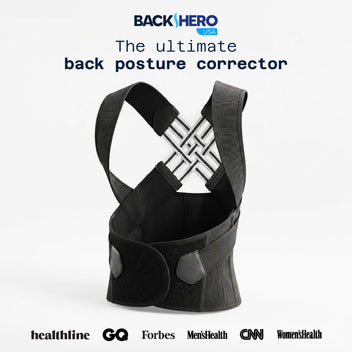
Back Hero USA Posture Corrector for Women & Men designed to heal, relieve upper back pain, and correct poor...
How to Relieve Shoulder Pain

When considering how to relieve shoulder pain what causes shoulder pain, treatment should match the cause and severity.
1. Rest and Modify Activities
For mild shoulder pain, start by resting the affected area and avoiding movements that make the pain worse. At the same time, keep the shoulder gently mobile—complete inactivity can lead to stiffness and slower recovery.
2. Ice and Heat Therapy
- Ice therapy is most effective within the first 48 hours after an injury. It helps reduce inflammation and numb pain.
- Heat therapy is better for ongoing stiffness or chronic pain. Warmth relaxes tight muscles, increases blood flow, and can improve mobility.
3. Stretching Exercises
Gentle stretches can relieve tension caused by poor posture:
- Cross-body shoulder stretch: Pull one arm across your chest to stretch the shoulder and upper back.
- Doorway chest stretch: Place your arms on either side of a doorway and lean forward to open the chest and shoulders.
4. Strengthening Exercises
Building strength in the rotator cuff and upper back muscles improves shoulder stability and helps prevent future pain. Start with light resistance exercises and gradually increase intensity under guidance if needed.
5. Over-the-Counter Medications
Non-prescription anti-inflammatory medications can help reduce pain and swelling temporarily. They are supportive but should not replace corrective measures like posture improvement and exercises.
6. Improve Posture
One of the most effective long-term solutions for shoulder pain is better posture:
- Adjust your workspace ergonomically.
- Sit with your back straight and shoulders relaxed.
- Use supportive tools, such as posture braces or cushions, if needed.
When to See a Doctor
While many cases improve with self-care, certain symptoms require medical attention when evaluating how to relieve shoulder pain what causes shoulder pain.
You should seek professional help if you notice:
- Pain lasting more than two weeks without improvement
- Inability to lift or move your arm normally
- Severe pain following a fall, accident, or sports injury
- Swelling, redness, or warmth around the shoulder that worsens
- Fever along with shoulder pain, which may indicate infection
In more serious cases, shoulder pain may signal heart problems. Seek emergency care immediately if pain comes with chest pressure, shortness of breath, or pain radiating down the left arm.
Other signs to watch for include persistent weakness, numbness, or tingling, which may indicate nerve involvement. Early evaluation by a doctor can identify the underlying cause and help you recover safely.
Paying attention to these warning signs ensures you get the right treatment at the right time, rather than ignoring or masking a potentially serious condition.
How to Prevent Shoulder Pain

Prevention is often the best solution when thinking about how to relieve shoulder pain what causes shoulder pain long-term. Preventing shoulder pain is often easier than treating it, especially for long-term relief and comfort. Here are practical steps to protect your shoulders:
1. Maintain Good Posture
- Keep your shoulders relaxed and aligned over your hips.
- Adjust your workspace so your screen is at eye level and your chair supports your back.
- Avoid slouching or leaning forward for long periods.
2. Strengthen Shoulder and Upper Back Muscles
- Incorporate strength training exercises 2–3 times per week.
- Focus on the upper back, shoulders, and rotator cuff muscles.
- Balanced muscles improve stability and reduce strain on your joints.
3. Take Frequent Breaks
- If you work at a desk or spend hours on screens, stand up and move every hour.
- Gentle stretches for your shoulders, neck, and chest can prevent stiffness from building up.
4. Lift Safely
- Avoid lifting heavy objects incorrectly.
- Use controlled movements, engage your core, and keep your shoulders relaxed.
- Ask for help with heavy loads to prevent sudden strain.
5. Use Supportive Tools
- Posture aids like the Back Hero USA posture corrector can reinforce healthy posture habits.
- These tools are especially helpful for people with sedentary lifestyles, helping reduce recurring tension and discomfort.
By combining posture awareness, regular exercise, safe movement, and supportive tools, you can significantly lower your risk of shoulder pain and enjoy better long-term comfort and mobility.
Back Hero USA Posture Corrector: Your Solution for Shoulder Pain

If you’re looking for a way to how to relieve shoulder pain what causes shoulder pain, the Back Hero USA Posture Corrector is an effective solution for supporting your shoulders, upper back, and neck. Its design helps you stand taller, sit straighter, and reduce tension in your shoulders, which alleviates pain caused by poor posture or muscle fatigue.
This ergonomic posture corrector is lightweight, breathable, and can be comfortably worn under clothing, allowing you to maintain proper alignment throughout your day—whether at work, home, or during workouts. Back Hero USA gently adjusts your shoulders and spine, reducing slouching and easing back, neck, and shoulder discomfort—common issues people search for when asking how to relieve shoulder pain what causes shoulder pain.
Key Features:
- Available Sizes: S to 2XL – adjustable fit for different body types
- Color: Black
- Posture Support: Promotes proper spine alignment and reduces slouching
- Pain Relief: Helps relieve tension in the back, neck, and shoulders
- Ergonomic Design: Lightweight, breathable, and discreet under clothing
- Everyday Use: Ideal for work, home, or workouts
Using the Back Hero USA Posture Corrector along with gentle exercises helps you maintain correct posture, reduce shoulder and back strain, and effectively address the root causes of how to relieve shoulder pain and what causes shoulder pain—without relying on complex devices or medications.
Read more:
How to Wear a Posture Corrector for Maximum Results
How to Use A Posture Corrector
Conclusion
Understanding how to relieve shoulder pain what causes shoulder pain begins with identifying the root cause. From posture issues and muscle strain to inflammation and injury, shoulder pain has many triggers. Fortunately, most cases respond well to stretching, strengthening, ergonomic improvements, and supportive tools. Consistency in prevention and early treatment is key.
If symptoms persist or worsen, professional evaluation is important. By combining smart habits with proper support, you can reduce discomfort and maintain healthy, pain-free shoulders.
Frequently Asked Questions
1. How long does shoulder pain last?
Mild cases may improve within days to weeks. Severe injuries can take months.
2. Can poor posture cause shoulder pain?
Yes, rounded shoulders and forward head posture are major contributors.
3. Is it okay to exercise with shoulder pain?
Gentle stretching is helpful, but avoid painful movements.
4. Does sleeping position affect shoulder pain?
Yes, sleeping on one side without support can worsen symptoms.
5. Can a posture corrector help shoulder pain?
Yes, especially when poor posture is the main cause.

