

How to Sleep to Fix Rounded Shoulders ? The answer is yes—sleeping position and nighttime support play a crucial role in correcting rounded shoulders over time. When you sleep with poor alignment, your shoulders remain pulled forward for hours, reinforcing bad posture.
In this Back Hero USA guide, we’ll explain how the right sleeping positions, pillow setup, and nighttime habits can help open the chest, align the spine, and support healthier shoulder posture while you rest.
In this article
What Causes Rounded Shoulders

Rounded shoulders develop when the shoulders roll forward and the upper back curves excessively. This condition is often the result of long-term posture habits rather than a single cause.
Common causes include:
-
Prolonged sitting and screen use
Slouching over desks, phones, and laptops tightens chest muscles and weakens upper back muscles. -
Muscle imbalance
Tight pectoral muscles combined with weak upper back and shoulder stabilizers pull the shoulders forward. -
Poor sleeping posture
Sleeping curled forward or on unsupportive pillows keeps the shoulders collapsed overnight. -
Lack of spinal support
An unsupportive mattress or pillow fails to maintain proper neck and shoulder alignment. -
Stress and tension
Emotional stress often causes unconscious shoulder hunching, which can carry into sleep.
Over time, these factors reinforce poor alignment. That’s why understanding how to sleep to fix rounded shoulders is just as important as correcting posture during the day.
Best Sleeping Positions to Fix Rounded Shoulders
Choosing the right sleep position is one of the most effective ways to support shoulder alignment overnight. If you’re wondering how to sleep to fix rounded shoulders, start here.
Sleeping on Your Back (Best Option)
- Keeps shoulders in a neutral, open position
- Prevents chest collapse and forward rounding
- Allows the spine to stay aligned from neck to upper back
Tip: Place a small pillow or rolled towel under the upper spine to gently encourage chest opening.
Side Sleeping (If Done Correctly)
- Use a pillow high enough to keep your neck aligned
- Hug a pillow to prevent the top shoulder from rolling forward
- Keep shoulders stacked, not slouched inward
Positions to Avoid
- Stomach sleeping: forces shoulders forward and twists the neck
- Curled fetal position: promotes shoulder rounding
- One arm overhead: increases shoulder strain and imbalance
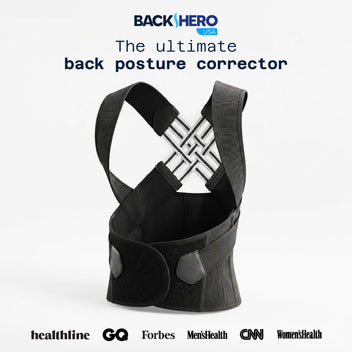
Back Hero USA Posture Corrector for Women & Men designed to heal, relieve upper back pain, and correct poor...
How Pillows Affect Rounded Shoulders During Sleep
Pillows play a major role in determining whether your shoulders stay aligned or collapse forward while sleeping. If you’re serious about learning how to sleep to fix rounded shoulders, pillow choice and placement matter.
Neck Alignment Matters
- A pillow that’s too high pushes the head forward
- A pillow that’s too low allows the shoulders to roll inward
- Proper cervical support keeps the neck neutral and shoulders relaxed
Shoulder Support During Sleep
- Side sleepers need enough pillow height to fill the shoulder-to-mattress gap
- Back sleepers benefit from a contoured pillow that supports the neck curve
- Additional arm support can prevent shoulder rounding overnight
Poor Pillow Problems
- Flat pillows offer no structure
- Overstuffed pillows force poor posture
- Inconsistent support leads to muscle tension
Best Pillow & Sleep Setup for Rounded Shoulders

Creating the right sleep environment is essential if you want to understand how to sleep to fix rounded shoulders effectively. Even the best sleeping position can fail if your pillow and mattress don’t support proper alignment.
1. Choose the Right Pillow for Neck and Shoulder Alignment
A proper pillow should:
- Support the natural curve of your neck (cervical spine)
- Keep your head aligned with your shoulders—not tilted forward or backward
- Reduce tension in the upper back and shoulder muscles
Memory foam pillows are especially effective because they adapt to your neck shape and maintain consistent support throughout the night.
One example is Back Hero USA Butterfly Memory Foam Neck Pillow, which is designed specifically to support the cervical spine and help tense neck muscles fully relax overnight. Its ergonomic butterfly shape gently cradles the neck while keeping the spine in a neutral, aligned position—something standard pillows often fail to do. This type of targeted support can make it easier to maintain proper shoulder alignment while you sleep.
2. Pillow Height Matters More Than You Think
- Back sleepers need a medium-height pillow that fills the neck curve without pushing the head forward.
- Side sleepers need a higher pillow to fill the space between the shoulder and mattress.
- A pillow that’s too flat allows shoulders to roll inward.
- A pillow that’s too high increases forward head posture.
3. Support Beyond the Head
- Place a small pillow or rolled towel under the arms to prevent shoulder collapse.
- For back sleepers, a thin towel under the upper spine can gently open the chest.
- Avoid stacking multiple pillows under your head—this worsens rounded shoulders.
Nighttime Habits That Help Fix Rounded Shoulders Faster
Sleep posture works best when paired with smart nighttime routines. These habits reinforce what you’re trying to achieve with how to sleep to fix rounded shoulders and speed up visible improvement.
1. Posture Reset Before Bed
Before lying down:
- Do gentle chest-opening stretches
- Roll shoulders backward slowly
- Perform light upper-back mobility exercises
This helps release tight chest muscles that pull shoulders forward.
2. Breathing to Release Shoulder Tension
- Practice deep diaphragmatic breathing
- Inhale through the nose, exhale slowly
- Let shoulders drop naturally with each breath
Stress often causes unconscious shoulder hunching, which can continue during sleep if not addressed.
3. Consistent Sleep Positions
- Stick to posture-friendly positions throughout the night
- If you move often, use pillows to guide your body back into alignment
- Avoid curling into a tight fetal position
4. Set Realistic Expectations
- Rounded shoulders develop over months or years
- Improvement typically takes weeks of consistent habits
- Sleep works best when combined with daytime posture awareness
Common Sleeping Mistakes That Keep Shoulders Rounded

Many people unknowingly reinforce poor posture at night—even when trying to fix it.
1. Using Too Many Pillows
- Stacking pillows pushes the head forward
- Increases neck flexion and shoulder rounding
- Disrupts spinal alignment
2. Sleeping Curled Forward Every Night
- Tightens chest muscles
- Weakens upper back engagement
- Encourages long-term shoulder collapse
3. Ignoring Shoulder or Upper Back Pain
- Pain is often a sign of poor alignment
- Continuing the same sleep setup delays improvement
- Adjust pillows and positions when discomfort appears
4. Assuming Sleep Alone Will Fix Posture
- Sleep supports correction but doesn’t replace daytime habits
- Poor sitting posture can undo nighttime progress
- Rounded shoulders require a full-day posture approach
5. Inconsistent Setup
- Changing pillows frequently
- Switching sleep positions without support
- Not giving your body time to adapt
Fixing these mistakes allows your body to finally benefit from learning how to sleep to fix rounded shoulders the right way.
How to Sleep to Fix Rounded Shoulders with Back Hero USA Posture Corrector

The Back Hero USA Posture Corrector is designed to help correct rounded shoulders by gently guiding your upper body into proper alignment throughout the day. Rounded shoulders often develop from prolonged slouching, weak upper back muscles, and forward head posture—and without correction, these patterns can carry into your sleeping position.
This posture corrector works by:
- Pulling the shoulders slightly back into a neutral position
- Supporting the upper spine to reduce slouching
- Helping retrain muscle memory for healthier posture
Why It Helps Fix Rounded Shoulders
-
Promotes proper shoulder alignment
Encourages shoulders to stay back and down, counteracting forward rounding. -
Reduces neck, shoulder, and upper back tension
By improving alignment, it eases strain that often causes stiffness and discomfort. -
Lightweight and breathable design
Comfortable enough for daily wear at work, home, or during light activity. -
Adjustable fit for all body types
Available in multiple sizes, allowing customized support without restricting movement. -
Discreet under clothing
Can be worn throughout the day to reinforce good posture habits.
How It Fits Into a Rounded Shoulder Correction Plan
Using a posture corrector during the day helps reinforce proper alignment, while sleeping with correct positions and supportive pillows helps maintain those improvements at night. Together, they create a more complete approach to fixing rounded shoulders over time.
Conclusion
Learning how to sleep to fix rounded shoulders is about more than just comfort—it’s about alignment, support, and consistency. The right sleeping positions, proper pillow support, and healthy nighttime habits work together to reduce shoulder rounding over time. While sleep alone isn’t a magic fix, it’s a powerful foundation for better posture and long-term shoulder health when done correctly.
Frequently Asked Questions
1. Can sleeping position really fix rounded shoulders?
Yes, proper sleep alignment prevents shoulders from collapsing forward overnight.
2. Is back sleeping best for rounded shoulders?
Yes, it keeps the chest open and shoulders neutral.
3. Is side sleeping bad for rounded shoulders?
Not if done correctly with proper pillow support.
4. How long does it take to see results?
Most people notice improvement within a few weeks of consistent habits.
5. What pillow is best for rounded shoulders?
An ergonomic cervical pillow with proper neck and shoulder support.

