

How to use a massage gun for lower back pain? Start on a low setting, avoid the spine, and gently glide the device over surrounding muscles like the glutes and hips for 5–10 minutes.
In this Back Hero USA guide, we break down the best techniques and practices to help you use a massage gun safely and effectively for lasting lower back pain relief.
In this article
What Is a Massage Gun?

A massage gun is a handheld device that uses rapid, repetitive pulses—also known as percussive therapy—to stimulate muscles. It works by delivering short bursts of pressure deep into soft tissue, helping to increase blood flow, reduce muscle tightness, and improve mobility.
Most massage guns come with multiple speed settings and interchangeable heads designed for different muscle groups. Whether you're recovering after a workout or dealing with daily stiffness, this tool offers a convenient way to target sore areas without needing a professional massage.
Massage Gun Benefits for Lower Back Pain

Using a massage gun for lower back pain can provide several noticeable benefits when done correctly. Here’s a clear breakdown to help you quickly understand how it helps:
1. Relieves Muscle Tension
Tight muscles around the lower back—especially the glutes and hip flexors—are a common cause of discomfort. A massage gun helps loosen these areas, which naturally reduces pressure on the lower back.
2. Improves Blood Circulation
The rapid percussive pulses stimulate blood flow, delivering more oxygen and nutrients to your muscles. This helps reduce inflammation and supports faster recovery from stiffness or minor strain.
3. Enhances Mobility and Flexibility
When muscle tightness decreases, your range of motion improves. Everyday movements like bending, standing, or walking become easier and more comfortable.
4. Reduces Post-Workout Soreness (DOMS)
If your back pain is related to exercise, a massage gun can help minimize delayed onset muscle soreness (DOMS). Using it after workouts promotes quicker recovery and prevents stiffness from building up.
5. Promotes Relaxation
Beyond physical relief, the rhythmic motion of a massage gun has a calming effect on the nervous system. This can help reduce overall tension, especially if your back pain is stress-related.
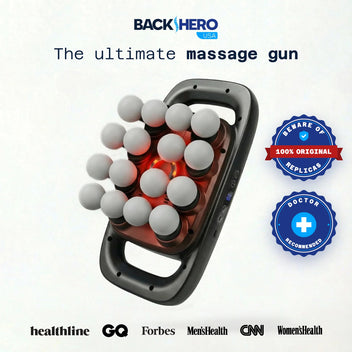
When your back, shoulders, and legs feel tight after a long day, this is your go-to reset. The Back Hero US...
How to Use a Massage Gun for Lower Back Pain (Step-by-Step Guide)

Step 1: Choose the Right Attachment
Start with a ball or flat head attachment. These are best for larger muscle groups and provide a gentler, more even pressure. Avoid sharp or bullet heads unless targeting very specific areas with caution.
Step 2: Start on Low Speed
Always begin with the lowest setting. High intensity can overwhelm sensitive muscles and may cause more discomfort instead of relief.
Step 3: Avoid the Spine
Never apply the massage gun directly to your spine or bones. Instead, focus on the muscles surrounding the lower back.
Step 4: Target Supporting Muscles
For best results, work on nearby muscle groups that influence lower back pain:
- Glutes
- Hip flexors
- Upper hamstrings
- Sides of the lower back (QL muscles)
These areas often hold hidden tension that contributes to pain.
Step 5: Use Slow, Controlled Movements
Gently glide the massage gun over each area—don’t press hard. Let the device do the work. Move slowly and pause briefly on tight spots.
Step 6: Limit Time Per Area
Spend about 30–60 seconds per muscle group, with a total session lasting 5–10 minutes. Overuse can irritate muscles rather than help them.
Step 7: Focus on Breathing
Stay relaxed and breathe deeply while using the device. This helps your muscles release tension more effectively.
Step 8: Check Your Body’s Response
If you feel sharp pain or discomfort, stop immediately. The goal is relief—not pushing through pain.
Used consistently and correctly, this method can significantly reduce lower back stiffness and improve daily comfort.
Best Muscle Areas to Target for Lower Back Pain
To effectively relieve lower back pain, it’s important to focus on the muscles that support and influence your lower back—not just the area where you feel pain. Targeting the right muscle groups can help address the root cause of discomfort and provide longer-lasting relief.
1. Glutes (Butt Muscles)
The glutes are one of the most important areas to target. When they become tight or inactive, they can pull on the pelvis and place extra strain on the lower back.
Using a massage gun on the glutes can:
- Release built-up tension
- Improve pelvic alignment
- Reduce pressure on the lower back
Many people feel noticeable relief in their back after just a few minutes of working on this area.
2. Hamstrings (Back of Thighs)
The hamstrings run along the back of your thighs and are closely connected to your pelvic movement. Tight hamstrings can restrict mobility and increase stress on the lower back.
By loosening the hamstrings, you can:
- Improve flexibility
- Reduce pulling on the pelvis
- Make movements like bending and standing easier
This is especially helpful if your back feels stiff when you wake up or after sitting for long periods.
3. Hip Flexors (Front of Hips)
Hip flexors are located at the front of your hips and are often tight due to prolonged sitting. When these muscles shorten, they tilt your pelvis forward (anterior pelvic tilt), which can contribute to lower back pain.
Targeting the hip flexors helps:
- Restore proper posture
- Reduce tension in the lower back
- Improve overall hip mobility
If you spend hours sitting each day, this area is essential to include in your routine.
4. Quadratus Lumborum (QL)
The quadratus lumborum (QL) muscles sit on either side of your lower back and play a key role in stabilizing your spine. They are a common source of deep, aching lower back pain.
Carefully using a massage gun around (not directly on the spine) this area can:
- Relieve deep muscle tightness
- Reduce stiffness and discomfort
- Support better spinal stability
By focusing on these key muscle groups, you’re not just treating the symptoms—you’re addressing the underlying causes of lower back pain. For best results, combine these techniques with proper posture, stretching, and regular movement throughout the day.
When NOT to Use a Massage Gun
While massage guns are generally safe and effective, there are certain situations where using one can do more harm than good. Understanding these limitations is key to avoiding injury and protecting your long-term health.
1. Acute Injuries (Strains, Sprains, Tears)
Avoid using a massage gun on fresh injuries such as muscle tears, sprains, or areas with active inflammation. In these cases, your body needs rest and proper recovery—not stimulation. Using a massage gun too early can worsen the injury and delay healing.
2. Undiagnosed Sharp or Severe Pain
If you’re experiencing intense or sharp pain that hasn’t been diagnosed, it’s best to hold off. This type of pain could be a sign of a more serious issue involving the spine, discs, or nerves. A massage gun may mask symptoms or aggravate the condition.
3. Nerve-Related Symptoms (e.g., Sciatica)
Be cautious if you feel tingling, numbness, or shooting pain radiating down your leg or back—common signs of nerve involvement like sciatica. Incorrect use of a massage gun in these cases may increase irritation rather than relieve it.
4. Swelling, Bruising, or Skin Irritation
Never use a massage gun on areas that are swollen, bruised, or irritated. The percussive force can worsen inflammation, damage sensitive tissue, and slow down recovery.
5. Certain Medical Conditions
If you have conditions such as osteoporosis, spinal injuries, or are pregnant, consult a healthcare professional before using a massage gun. These situations require extra caution to avoid unintended complications.
When in doubt, don’t guess. If something feels off or painful in an unusual way, it’s always safer to seek medical advice before using a massage gun.
Tips to Maximize Results

To get the most benefit from your massage gun, it’s important to combine it with healthy daily habits. Think of it as part of a routine—not a standalone fix.
1. Combine with Stretching
Using a massage gun helps relax tight muscles, making it the perfect time to stretch. Follow up with gentle stretching to improve flexibility and maintain the release you’ve just achieved.
2. Stay Hydrated
Hydration plays a key role in muscle recovery. Drinking enough water helps reduce stiffness, supports circulation, and keeps your muscles functioning properly.
3. Fix Your Posture
If you spend long hours sitting, poor posture may be the root cause of your back pain. Even the best massage routine won’t help much if daily habits continue to strain your lower back. Pay attention to how you sit, stand, and work.
4. Be Consistent, Not Excessive
Short, regular sessions (5–10 minutes) are far more effective than occasional long ones. Overusing a massage gun can irritate muscles instead of helping them recover.
5. Listen to Your Body
Everyone’s tolerance and condition are different. Adjust the speed, pressure, and duration based on what feels comfortable. If something causes pain instead of relief, stop and reassess.
Recommended Option: Back Hero USA 16-Head Massage Gun

If you’re looking for something more effective than a traditional single-head device, the Back Hero USA 16-Head Massage Gun is designed to deliver faster, deeper, and more even muscle relief—especially for large areas like the lower back.
Unlike standard massage guns that target one point at a time, this model uses a 16-head system to cover multiple muscle zones simultaneously. The result? Less effort, less time, and more consistent relief.
Why This Massage Gun Stands Out
1. 16-Head Full Coverage Design
The biggest advantage of this device is its multi-head structure. Instead of slowly moving a single head across your back, all 16 nodes work together to target multiple pressure points at once.
This is especially useful for:
- Lower back pain
- Shoulder stiffness
- Large muscle groups like thighs and glutes
It creates a more balanced, even massage, similar to a professional hands-on treatment.
2. Faster Relief in Less Time
Because it covers a wider surface area, you don’t need to spend 10–15 minutes scanning each sore spot.
With the Back Hero approach, you can:
- Reduce tension in just a few minutes
- Feel relief quicker after long sitting hours
- Speed up muscle recovery after workouts
This makes it ideal for busy people who want quick but effective results.
3. Deep Percussive Power (Up to 3,200 RPM)
The device delivers high-frequency percussive therapy, reaching deep into muscle tissue to:
- Break down tight knots
- Stimulate blood circulation
- Release built-up tension
Compared to cheaper models, the deeper penetration means longer-lasting relief, not just surface-level comfort.
4. Customizable Intensity for Every Need
Not all pain is the same—and this massage gun understands that.
With multiple speed levels, you can easily adjust between:
- Gentle relaxation (for daily stress relief)
- Moderate therapy (for stiffness)
- Deep tissue massage (for chronic tension or post-workout recovery)
This flexibility makes it suitable for both beginners and experienced users.
5. Ergonomic & Easy to Use
The design focuses on comfort and control:
- Easy-grip handles for better reach
- Stable positioning on the back
- Lightweight feel for longer sessions
You don’t need professional skills to use it—it’s built for simple at-home recovery.
6. Perfect for Daily Use
This massage gun fits seamlessly into everyday routines. It’s especially useful for:
- Office workers dealing with lower back stiffness from sitting
- Gym-goers & athletes needing faster recovery
- Anyone with chronic muscle tension from stress or posture
Even just 5–10 minutes a day can make a noticeable difference.
Why You Should Choose This Model (For Lower Back Pain)
If you’re dealing with ongoing lower back pain, the Back Hero USA 16-Head Massage Gun is a more effective option than traditional massage guns because it focuses on treating the entire muscle area, not just one painful spot. Lower back pain is often caused by tight surrounding muscles like the glutes, hips, and lower back stabilizers—not just the exact point where you feel discomfort.
With its 16-head design, this device can target multiple muscle groups at the same time, helping release deeper and more widespread tension. This leads to faster and more even relief, especially for people who experience stiffness from sitting long hours, poor posture, or daily strain. Instead of spending time moving a single-head device around, you get more consistent results in less time.
Over time, regular use can also help reduce recurring pain, improve flexibility, and support better posture by keeping muscles relaxed and balanced. Simply put, if your goal is not just quick relief but long-term improvement for lower back pain, this model offers a smarter and more efficient solution.
Conclusion
Using a massage gun for lower back pain can be a simple and effective way to relieve tension, improve mobility, and support recovery. The key is to use it correctly—avoid the spine, target surrounding muscles, and keep sessions short and controlled. When combined with stretching and good posture, it becomes a powerful part of your daily routine. While it’s not a replacement for medical treatment, it can significantly improve comfort and help you stay active.
Learn more news, tips, products, and special promotions by staying tuned to our blog, Facebook, and Instagram. If you have any questions about our products or services, please don’t hesitate to reach out to us at support@backherousa.com. Our dedicated care team is available 24/7 and always happy to assist you.
Frequently Asked Questions
1. Can a massage gun fix lower back pain?
It can help relieve muscle-related pain, but it won’t cure underlying medical conditions.
2. How often should I use a massage gun for back pain?
1–2 times per day for 5–10 minutes is generally safe.
3. Is it safe to use a massage gun every day?
Yes, as long as you use it properly and avoid overuse.
4. Can I use a massage gun directly on my lower back?
Avoid the spine—focus on surrounding muscles instead.
5. Does a massage gun help with sciatica?
It may help with muscle tension, but use caution and consult a professional if symptoms are severe.

