

Is It Good To Do Neck Exercises While Standing Up? Yes — neck exercises can be highly effective when done in a standing position. Standing naturally encourages better posture, activates your core, and prevents the slouching that often happens when we sit too long. Many people prefer standing stretches because they fit easily into work breaks, home routines, or even quick resets during a busy day.
In this Back Hero USA guide, you'll learn whether standing is truly better, how it compares to sitting, the key benefits, and the best exercises anyone can start using safely.
In this article
Are Neck Exercises Better Standing or Sitting?

Both standing and sitting positions can support safe and effective neck exercises, but they influence your posture differently.
Standing Position
When you stand, your spine naturally lengthens, your chest opens, and your shoulders rest in a more neutral position. This creates more space for your neck muscles to move freely. Standing also activates your core slightly, helping stabilize the upper body and improving overall alignment.
Sitting Position
Sitting provides more stability and control. People with dizziness, balance issues, or acute neck discomfort may feel safer performing movements while seated. A supportive chair or backrest keeps your spine steady and prevents unnecessary shoulder or torso compensation.
Which Is Better?
Standing is best for improving posture, boosting mobility, and counteracting long hours of sitting. Sitting is ideal for beginners or anyone experiencing pain or instability. Ultimately, the best position is the one that feels stable, comfortable, and allows you to move with proper form.
Benefits of Doing Neck Exercises While Standing Up
So, is it good to do neck exercises while standing up? Absolutely — and the benefits go far beyond convenience. Standing naturally activates your postural muscles, which support the neck, shoulders, and upper back. Because your entire kinetic chain is engaged, each exercise becomes more effective and more aligned.
1. Better Natural Alignment
One of the biggest advantages of standing is the natural posture reset it provides. Long sitting hours often cause the shoulders to round forward and the head to drift into a forward-head position. When you stand, your spine lengthens, your chest opens, and your head aligns more directly above your shoulders. This improves stretch quality and reduces strain on the neck muscles.
2. Enhanced Breathing Capacity
Standing allows your ribcage to expand fully, which increases oxygen flow to tight muscles. Better breathing helps the neck relax, reduces tension, and supports deeper, more effective stretching.
3. Improved Circulation
When you stand, blood circulation increases throughout the body. More blood flow means more nutrients delivered to your muscles and faster removal of metabolic waste. This helps your neck recover more quickly after long desk sessions or heavy phone use.
4. Easy to Incorporate Into Daily Life
Standing exercises fit naturally into everyday routines. You can do them during work breaks, between tasks, or even in the kitchen. These small “micro-breaks” prevent stiffness from building up and help maintain mobility throughout the day.
5. Increased Body Awareness
Standing exercises make it easier to feel how your shoulders, back, and neck align. This awareness helps you correct posture habits in real time and build healthier patterns over time.
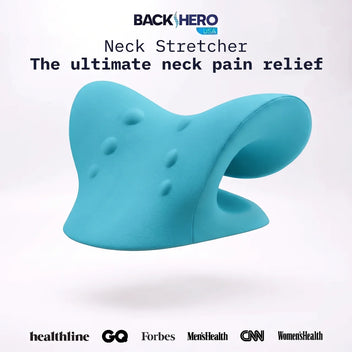
Discover the Back Hero USA Neck Stretcher for pain relief, posture support, and cervical alignment. Availab...
6 Best Neck Exercises to Do While Standing Up

When people ask, “is it good to do neck exercises while standing up?”, these movements show exactly why the answer is yes. Each exercise below strengthens posture, improves mobility, and eases tension built up from long sitting hours.
1. Side-to-Side Neck Stretch
Stand tall with feet hip-width apart. Lower your right ear toward your right shoulder without lifting the shoulder. Hold for 20 seconds, then switch sides. This stretch targets tight upper trapezius muscles.
2. Levator Scapulae Stretch
Tilt your head diagonally down toward your armpit. Use your hand to gently increase the stretch. Hold 20–30 seconds. This relieves stiffness at the back of the neck.
3. Standing Chin Tucks
Stand upright and retract your head backward as if forming a double chin. Hold for 5 seconds and repeat 10–15 times. This strengthens deep neck flexors and corrects forward-head posture.
4. Shoulder Rolls
Roll your shoulders upward, backward, and downward in a slow circle. Repeat 10 times. This releases tension around the neck by improving scapular mobility.
5. Wall-Supported Thoracic Extension
Stand with your back against a wall. Slowly lift your chest and gently arch your mid-back. Hold for 5 seconds. This counteracts slouching from desk work.
6. Upper Trapezius Stretch
Place your right hand behind your back, reach your left hand over your head, and gently pull toward the left. Hold 20–30 seconds. Switch sides.
These six movements are simple yet powerful tools for posture and pain relief. Incorporate them into your daily routine for better mobility and to maximize the advantages of standing exercises.
When You Should Avoid Standing Neck Exercises
Even though the answer to “is it good to do neck exercises while standing up” is usually yes, there are certain situations where standing may not be the safest or most effective option.
1. Acute Neck Pain or Nerve Symptoms
If you’re experiencing sharp pain, numbness, tingling, or nerve-related symptoms, standing exercises may cause your body to compensate by shrugging the shoulders or shifting weight. This can increase strain and make symptoms worse.
2. Dizziness, Vertigo, or Blood Pressure Issues
Individuals who struggle with balance or experience dizziness should avoid standing movements. Sitting provides a stable base and eliminates the risk of swaying or losing balance, which can be dangerous.
3. Recent Neck or Spine Surgery
Anyone recovering from cervical or spinal surgery must follow medical guidance closely. Early healing requires slow, controlled movements. Seated positions offer more stability and reduce the risk of accidental overextension.
4. Limited Balance or Older Adults
Standing demands more postural control and coordination. For older adults or anyone with balance challenges, seated variations ensure safer, more controlled stretching without the risk of falling or straining other muscles.
5. Severe Headaches or Migraines
Standing positions can sometimes increase tension in the shoulders and upper back, intensifying headache symptoms. Seated exercises allow you to move gently without triggering additional discomfort.
Standing neck exercises are beneficial for most people, but not for every condition. When in doubt, start seated, prioritize comfort, and only progress to standing when you feel stable and pain-free.
Who Should Do Standing Neck Exercises?

If you’re still wondering, “Is it good to do neck exercises while standing up?”, the answer often depends on your daily habits and physical needs. In many cases, standing neck exercises can be highly beneficial — especially for people whose routines naturally involve long periods of sitting or repetitive movements.
1. Office Workers & Desk Users
Anyone who spends hours at a desk — such as office workers, remote employees, writers, or designers — can benefit immediately. Standing exercises help counteract slouching, reduce stiffness, and re-activate postural muscles weakened by prolonged sitting.
2. People With Mild Postural Imbalances
Those with early-stage forward-head posture or rounded shoulders often see better results when stretching in a standing position. Standing naturally encourages a longer spine and promotes better alignment, allowing the neck to move more freely.
3. Busy Individuals Who Prefer Quick Routines
If you’re constantly on the go — like busy parents, service workers, or professionals who move between tasks — standing stretches are easy to fit into short breaks. No equipment, no setup, and no need to find a chair.
4. Students, Gamers & Heavy Device Users
Anyone who frequently uses phones, laptops, or gaming setups can benefit. Standing provides a reset for tight shoulders and an overstressed upper back.
5. Athletes & Active Individuals
For athletes, gym-goers, and fitness beginners, standing neck exercises are excellent for warm-ups, cool-downs, or active recovery days because they naturally engage stabilizing muscles.
Standing neck exercises are ideal for anyone seeking convenience, posture support, and quick tension relief throughout the day.
Recommended Product: Back Hero USA Neck Stretcher & Posture Corrector

When exploring is it good to do neck exercises while standing up, the right tools can enhance your results. Two highly recommended products are the Back Hero USA Neck Stretcher and the Posture Corrector.
Back Hero USA Neck Stretcher
For long-lasting relief from neck tension, stiffness, and posture-related discomfort, the Back Hero USA Neck Stretcher is a powerful tool to add to your daily routine. This device provides gentle cervical traction that helps open up compressed spaces in the neck, ease muscle tightness, and encourage healthier spinal alignment — all key factors for reducing recurring pain.
Its contoured, ergonomic design supports the natural curve of the cervical spine, allowing your neck to relax while improving blood flow and flexibility. Whether you’re following the exercises in this guide or simply need a moment of rest after long hours at a desk, this stretcher enhances every session. Because it’s lightweight and portable, you can use it anywhere — at home, in the office, or even while traveling.
What Makes It a Customer Favorite:
- Offers natural cervical decompression for deeper, soothing relief
- Helps realign posture and release desk-related tension
- Comfortable foam design that supports the neck without strain
- Easy to carry and durable enough for everyday use
- Available in three colors: Pink, Black, and Blue
If your goal is to maximize the benefits of neck exercises and accelerate recovery, the Back Hero USA Neck Stretcher provides a simple, science-supported way to achieve noticeable improvement in both comfort and mobility.
Back Hero USA Posture Corrector
This Posture Corrector is designed to support individuals with kyphosis by gently guiding the spine into healthier alignment. Instead of forcing the body into a rigid position, the Back Hero provides subtle correction that helps you build long-term postural awareness.
Key Features & Benefits:
- Instant Upright Posture: Encourages proper spinal alignment immediately after wearing.
- Tension Relief: Reduces discomfort and strain in your back, neck, and shoulders caused by slouching or long hours of sitting.
- Long-Term Muscle Training: Gradually strengthens postural muscles for sustainable alignment.
- Soft & Comfortable: Lightweight, breathable, and skin-friendly material for all-day wear.
- Physiotherapist Approved: Endorsed by experts for safe and effective posture correction.
- Discreet Design: Fits comfortably under clothing, making it perfect for everyday use.
Size and Color:
The Back Hero USA Posture Corrector features adjustable straps that comfortably fit sizes S–2XL, making it easy for anyone to achieve the right support. It’s also available in one stylish color: Black.
Conclusion
So, is it good to do neck exercises while standing up? Yes — standing encourages better alignment, improves mobility, and makes exercises more convenient. When practiced consistently, standing stretches help reduce stiffness, improve posture, and promote long-term neck health. Listen to your body, choose movements that feel comfortable, and use supportive tools when necessary. A few minutes a day can create noticeable improvement.
Frequently Asked Questions
1. Is standing or sitting better for neck stretches?
Standing is better for posture; sitting is better for stability.
2. How often should I do these exercises?
1–2 sessions daily or whenever tightness appears.
3. Can standing exercises fix forward-head posture?
Yes, especially when combined with chin tucks.
4. Are these exercises beginner-friendly?
Yes — they’re simple and gentle.
5. Can I pair equipment with these exercises?
Yes, tools like posture correctors and stretchers can enhance results.

