

Is shoulder blade pain a sign of cancer? The short answer is: most cases of shoulder blade pain are not caused by cancer. In fact, posture issues, muscle strain, and spine-related problems are far more common causes. However, because shoulder blade pain can sometimes be linked to internal conditions, it’s natural to feel concerned.
In this guide, Back Hero USA helps you understand what shoulder blade pain really means, when it’s harmless, and when it may need medical attention—so you can stay informed without unnecessary worry.
In this article
What is Shoulder Blade Pain?

Shoulder blade pain is discomfort felt around the scapula, the flat bones located between your spine and shoulders. This pain can vary in sensation and intensity depending on its cause.
Common characteristics include:
- Dull or aching pain
- Sharp or stabbing pain
- Burning or tight sensation
- Pain on one side or both sides
In many cases, shoulder blade pain changes with:
- Movement
- Posture
- Arm or neck position
This type of pain is often related to muscles, joints, or nerves in the upper back. Sometimes, pain can be referred, meaning it originates elsewhere—such as the neck or internal organs—but is felt near the shoulder blades. Understanding the source of the pain is key to knowing whether it’s a simple musculoskeletal issue or something that needs further attention.
Common Causes of Shoulder Blade Pain (Non-Cancer)

When people ask, “Is shoulder blade pain a sign of cancer?”, they often overlook the most common explanation: the vast majority of shoulder blade pain comes from non-cancerous, everyday causes, especially related to muscles, posture, and movement habits.
Below are the most frequent non-cancer causes of shoulder blade pain.
1. Muscle Strain
Muscle strain is one of the most common reasons for pain around the shoulder blades. The muscles in this area work constantly to support your neck, shoulders, and upper back, making them easy to overuse.
Common causes include:
- Poor posture maintained for long periods
- Heavy lifting or carrying bags on one shoulder
- Repetitive movements involving the arms or upper back
- Sleeping in an awkward position or using an unsupportive pillow
Muscle strain usually causes a dull, aching, or tight sensation that may worsen with movement and improve with rest, stretching, or gentle massage.
2. Poor Posture
Poor posture places continuous stress on the muscles and joints of the upper back and shoulders.
Postural habits that commonly lead to shoulder blade pain include:
- Rounded shoulders
- Forward head posture
- Long hours sitting at a desk or frequently looking down at phones and tablets
Over time, these positions shorten some muscles and overstretch others, leading to muscle fatigue, stiffness, and pain around the shoulder blades.
3. Neck and Spine Issues
In some cases, shoulder blade pain does not originate in the shoulder itself but is referred pain from the neck or upper spine.
- Possible causes include:
- Pinched or irritated nerves
- Cervical disc problems
- Stiffness or poor mobility in the upper thoracic spine
This type of pain may radiate from the neck into the shoulder blade and can be accompanied by tingling, numbness, or weakness in the arms.
4. Shoulder Joint Problems
The shoulder joint is highly mobile, which also makes it vulnerable to strain and injury.
Common shoulder-related causes of shoulder blade pain include:
- Rotator cuff strain or overuse
- Shoulder impingement
- Limited shoulder mobility or joint inflammation
Pain often becomes more noticeable during activities such as lifting the arm overhead, reaching behind the back, or carrying objects.
5. Stress and Muscle Tension
Emotional stress and anxiety can significantly contribute to shoulder blade pain.
- Stress causes muscles in the neck, shoulders, and upper back to remain tense
- Prolonged tension can lead to soreness, tightness, and aching pain
- Pain often worsens at the end of the day or during periods of ongoing stress
Many people are unaware that mental stress alone can create real, physical discomfort in the shoulder blade area.
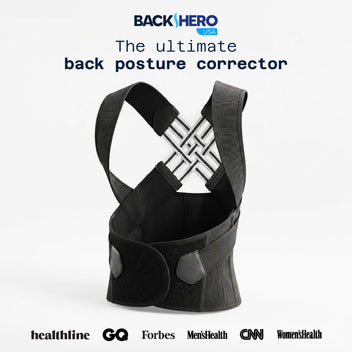
Back Hero USA Posture Corrector for Women & Men designed to heal, relieve upper back pain, and correct poor...
Is Shoulder Blade Pain a Sign of Cancer?
So, is shoulder blade pain a sign of cancer? In most situations, the answer is no.
Cancer is a relatively rare cause of shoulder blade pain—especially when pain is the only symptom. Most cancer-related pain develops gradually and is usually accompanied by other noticeable changes in the body.
When Can Shoulder Blade Pain Be Related to Cancer?
In rare cases, shoulder blade pain may be linked to cancer when:
- A tumor affects nearby nerves
- A tumor involves nearby organs, causing referred pain
- The pain is not coming from the shoulder blade itself, but from deeper structures
This type of pain typically:
- Is persistent
- Does not improve with rest, stretching, or posture correction
- Gradually worsens over time
What’s More Likely for Most People?
For the majority of people—especially those who:
- Work desk jobs
- Have poor posture
- Recently lifted something heavy or strained muscles
Shoulder blade pain has a musculoskeletal cause, such as muscle strain, posture-related tension, or joint issues.
Warning Signs That Need Medical Attention

If you’re worried and asking, “Is shoulder blade pain a sign of cancer?”, it’s important to know which symptoms deserve closer medical evaluation. While most shoulder blade pain is harmless, certain warning signs—often called red flags—should not be ignored.
Red Flags to Watch For
You should consider seeing a healthcare professional if shoulder blade pain is accompanied by one or more of the following:
-
Pain lasting longer than 2–3 weeks
Especially if it does not improve with rest, stretching, or changes in activity. -
Pain that worsens at night or disrupts sleep
Pain that is unrelated to movement and becomes more noticeable at rest can be a warning sign. -
Pain not affected by movement or posture
Musculoskeletal pain usually changes with position or activity. Pain that feels constant and unaffected by movement may need further evaluation. -
Unexplained weight loss
Losing weight without changes in diet or activity can be a sign of an underlying systemic issue. -
Persistent cough or shortness of breath
Especially when shoulder blade pain occurs alongside respiratory symptoms. -
Ongoing fever or extreme fatigue
Fatigue that doesn’t improve with rest, or low-grade fevers without a clear cause, should be checked. -
Personal history of cancer
Anyone with a past cancer diagnosis should be more cautious about new, unexplained pain.
What These Signs Mean
These symptoms do not automatically mean cancer. Many non-cancer conditions—such as infections, inflammatory disorders, or nerve-related issues—can cause similar warning signs. However, their presence means the pain should be evaluated by a medical professional to rule out serious causes and provide appropriate care.
When Should You See a Doctor?
You should consider seeing a doctor if shoulder blade pain:
-
Persists or continues to worsen over time
Especially if it does not improve after rest, stretching, or home care. -
Interferes with daily activities
Pain that limits your ability to work, exercise, sleep, or perform normal movements should be evaluated. -
Occurs alongside systemic symptoms
Such as unexplained weight loss, persistent fatigue, fever, breathing difficulties, or a chronic cough. -
Causes ongoing anxiety or uncertainty
If you’re constantly asking yourself, “Is shoulder blade pain a sign of cancer?”, getting medical advice can provide reassurance and clear guidance.
A healthcare professional can assess your symptoms, rule out serious causes, and recommend appropriate treatment or next steps.
How to Relieve Shoulder Blade Pain at Home

For most people, shoulder blade pain is musculoskeletal and can be managed safely with simple at-home strategies.
Helpful approaches include:
- Improving posture while sitting and standing, especially during desk work or phone use
- Taking regular breaks from prolonged sitting to reduce muscle tension
- Gentle stretching and mobility exercises for the neck, shoulders, and upper back
- Heat or cold therapy to ease muscle tightness or inflammation
- Using ergonomic or posture-support products to maintain proper alignment throughout the day
Consistent posture support can reduce strain on the upper back and help prevent recurring discomfort caused by poor alignment. Posture support solutions from Back Hero USA are designed to support better posture and relieve upper-back tension during daily activities.
Back Hero USA Posture Corrector for Shoulder Blade Pain

Shoulder blade pain is most often caused by postural strain, muscle imbalance, and prolonged forward rounding of the shoulders—not serious illness. Over time, this imbalance increases tension in the upper back and can lead to persistent discomfort that raises concern and prompts people to ask, Is shoulder blade pain a sign of cancer?
Back Hero USA Posture Corrector is designed to support healthy alignment during everyday activities by gently guiding the shoulders and upper spine into a more natural position. Rather than acting as a rigid brace, it promotes posture awareness—helping users recognize slouching habits that commonly contribute to shoulder blade discomfort.
Why It Helps with Shoulder Blade Pain
-
Reduces prolonged muscle overload
Maintaining better alignment limits continuous stress on the upper-back muscles that commonly trigger shoulder blade pain. -
Improves posture awareness
Rather than forcing the body into position, it acts as a reminder when slouching occurs, helping users actively correct posture on their own. -
Supports balanced muscle engagement
Proper alignment allows underactive upper-back muscles to engage while decreasing overactivity in the chest and front shoulders. -
Helps ease neck and upper-back tension
By improving shoulder and spine positioning, pressure on the neck and upper-back area is reduced, which can lessen referred pain near the shoulder blades. -
Addresses a common non-cancer cause of pain
For individuals worried about serious conditions, correcting posture helps resolve one of the most frequent reasons shoulder blade pain develops in the first place.
How to Use It Effectively
For best results, the posture corrector should be worn short-term, especially during extended sitting or posture-demanding activities. It works best when combined with stretching and strengthening exercises, allowing muscles to gradually maintain proper alignment on their own.
By improving posture awareness and reducing constant upper-back strain, the Back Hero USA Posture Corrector can help address a common non-cancer cause of shoulder blade pain, offering reassurance to those worried and asking, Is shoulder blade pain a sign of cancer?
Conclusion
So, is shoulder blade pain a sign of cancer? In most cases, it is not. Shoulder blade pain is usually linked to posture, muscle strain, or spine issues rather than cancer. While it’s important to recognize warning signs, isolated shoulder blade pain is rarely serious. With proper posture care, early awareness, and support from Back Hero USA, most people can manage shoulder blade pain confidently and safely.
Frequently Asked Questions
1. Can anxiety cause shoulder blade pain?
Yes. Stress can lead to muscle tension in the upper back.
2. Is left shoulder blade pain more dangerous than right?
No. The side of pain alone does not indicate seriousness.
3. Does cancer-related pain improve with rest?
Usually no. It tends to be persistent.
4. How long should shoulder blade pain last?
Most mild cases improve within days to a few weeks.
5. Should I worry if the pain comes and goes?
Intermittent pain is more often musculoskeletal than serious.

