

Is Walking Good for Kyphosis? Yes — for most people, walking is one of the safest, simplest, and most effective ways to support a healthier spine. It gently activates the postural muscles, improves mobility, and reduces stiffness that often worsens a rounded upper back.
In this Back Hero USA guide, we break down exactly how walking affects kyphosis, who benefits most, common mistakes to avoid, and how to walk correctly for improved posture. This article helps you understand the science behind walking and how to use it as part of a long-term kyphosis management plan.
In this article
What Happens to the Spine in Kyphosis?

Understanding Kyphosis
Kyphosis occurs when the thoracic spine curves outward more than normal, resulting in a rounded upper back. While a mild curve is natural, an excessive curve shifts the body’s center of gravity forward. This forces muscles, ligaments, and joints to work harder to maintain balance, which over time can cause tight chest muscles, weakened upper-back muscles, and limited mobility in the thoracic vertebrae.
There are two main types of kyphosis:
- Postural Kyphosis: Gradually develops from poor habits like slouching, prolonged sitting, and forward-head posture, slowly reshaping spinal alignment.
- Structural Kyphosis: Caused by conditions such as Scheuermann’s disease or degenerative disc changes, leading to a more rigid spinal curve.
Severe kyphosis can affect breathing, spinal mechanics, and even cardiovascular function. Understanding how the spine is impacted is key before exploring whether activities like walking can help manage or improve the condition.
Is Walking Good for Kyphosis?

Is Walking Good for Kyphosis?
Yes — walking is highly beneficial for most people with a rounded upper back. It supports natural spinal alignment, activates key postural muscles, and encourages gentle thoracic mobility without overloading the spine.
Benefits of Walking for Kyphosis:
- Improves Posture: Engages spine stabilizers that support the head, shoulders, and rib cage, counteracting forward-leaning tendencies.
- Enhances Circulation: Rhythmic movement increases blood flow to the spine, supporting disc health and reducing stiffness.
- Promotes Symmetry: Uses both sides of the body evenly, improving muscular balance and reducing postural imbalances.
- Boosts Breathing: Encourages deeper, more efficient lung function, which can be restricted by kyphosis.
Important Tips: Proper walking technique is essential. Avoid slouching, looking down at your phone, or rounding your shoulders. Supportive shoes, consistency, and combining walking with strengthening and posture-correction exercises make walking even more effective.
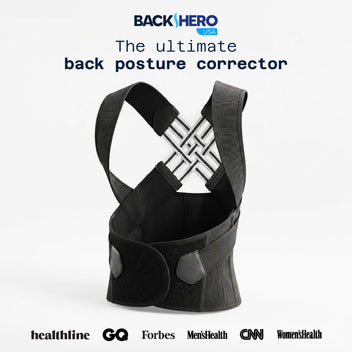
Back Hero USA Posture Corrector for Women & Men designed to heal, relieve upper back pain, and correct poor...
Benefits of Walking for Kyphosis
1. Improves Postural Alignment
A major reason Is Walking Good for Kyphosis is that it naturally encourages the spine to stack in a neutral, upright position. Walking strengthens the deep stabilizing muscles that counteract forward-head posture and rounded shoulders.
2. Enhances Thoracic Mobility
The gentle rotation and arm swing during walking help mobilize the thoracic spine. This reduces stiffness — a key factor contributing to worsening kyphosis.
3. Strengthens Back and Core Muscles
Walking engages the erector spinae, glutes, and abdominal muscles. Stronger postural muscles make it easier to maintain proper alignment throughout the day.
4. Supports Breathing Function
Kyphosis can compress the rib cage. Walking expands the lungs, increases oxygen flow, and encourages deeper breathing.
5. Reduces Pain and Muscle Tension
Improved circulation decreases chronic tightness in the neck, shoulders, and mid-back — common areas affected by kyphosis.
6. Low-Impact and Safe for Most People
Another reason Is Walking Good for Kyphosis is its joint-friendly nature. Unlike high-impact workouts, walking is gentle enough for people with weak or sensitive spines.
7. Enhances Mood and Energy
Regular walking reduces stress hormones and increases endorphins, making posture correction easier and more sustainable long-term.
How to Walk Properly If You Have Kyphosis
To fully benefit from walking, you must walk with proper form. The following techniques ensure that Is Walking Good for Kyphosis in a safe and effective way:
1. Keep Your Spine Tall
Imagine a string pulling your head upward. Align the ears over the shoulders and avoid leaning forward.
2. Relax and Open the Shoulders
Gently pull the shoulders back and down. Avoid tensing your neck or shrugging.
3. Look Ahead, Not Down
Your gaze should stay leveled about 2–3 meters ahead. Looking down encourages forward-head posture.
4. Maintain a Natural Arm Swing
Swing the arms smoothly at your sides; this boosts thoracic mobility.
5. Walk With Short, Controlled Steps
Over-striding can tilt the pelvis and worsen spinal imbalance.
6. Use Supportive Shoes
Proper footwear helps maintain alignment from the ground up, which is crucial when asking Is Walking Good for Kyphosis.
7. Stay Aware of Your Posture
Check in every few minutes: Are you slouching? Are your shoulders collapsing? Gentle reminders help retrain your posture over time.
Walking Mistakes That Worsen Kyphosis
Even though Is Walking Good for Kyphosis, doing it incorrectly can worsen posture issues. Avoid these common mistakes:
1. Leaning Forward While Walking
This reinforces the rounded upper-back position and strains the neck.
2. Looking Down at Your Phone
This instantly creates forward-head posture, increasing pressure on the cervical spine.
3. Letting the Shoulders Round Forward
Poor shoulder positioning prevents proper muscle activation.
4. Walking When Extremely Fatigued
Fatigue often causes slumping. It’s better to shorten your walk than lose your posture.
5. Carrying Heavy Bags on One Side
Uneven loads shift the spine and worsen muscle imbalances. Backpacks are better than shoulder bags.
Best Exercises to Combine With Walking

To maximize the benefits of Is Walking Good for Kyphosis, combine walking with corrective exercises:
1. Wall Angels
Great for opening the chest and strengthening the upper back.
2. Scapular Retractions
Pulling the shoulder blades together improves postural endurance.
3. Thoracic Extensions
Performed on a foam roller to improve spinal mobility.
4. Core Strengthening Moves
Planks and dead bugs help stabilize the spine while walking.
5. Hip Flexor Stretches
Tight hip flexors cause anterior pelvic tilt, worsening kyphosis posture.
These exercises amplify the benefits of walking and speed up posture correction.
Who Should Be Cautious With Walking?
While the answer to Is Walking Good for Kyphosis is generally positive, some individuals should proceed carefully or consult a healthcare professional beforehand:
1. Severe Structural Kyphosis
Rigid curves caused by Scheuermann’s disease or congenital issues may require specialized guidance.
2. Osteoporosis-Related Kyphosis
Low bone density increases the risk of spinal fractures.
3. People With Acute Back Pain
Inflamed tissues need rest before weight-bearing exercise.
4. Individuals With Neurological Symptoms
Numbness, tingling, or weakness may indicate nerve compression.
5. Post-Surgery Patients
Walking is often recommended, but only with doctor clearance.
6. Breathing Difficulties
If kyphosis severely restricts lung function, you may need a modified walking program.
Why the Back Hero USA Posture Corrector Complements Walking for Kyphosis

Many people wonder whether using a device can enhance the benefits of walking and whether "Is Walking Good for Kyphosis" becomes even more effective with added support. A posture corrector, such as the Posture Corrector, can gently guide the shoulders into better alignment while you walk.
The Back Hero USA Posture Corrector is designed to gently guide your shoulders back, open the chest, and support a neutral spine — all essential elements for proper walking form when managing kyphosis.
Key Features & Benefits:
- Instant Upright Posture: Encourages proper spinal alignment immediately after wearing.
- Tension Relief: Reduces discomfort and strain in your back, neck, and shoulders caused by slouching or long hours of sitting.
- Long-Term Muscle Training: Gradually strengthens postural muscles for sustainable alignment.
- Soft & Comfortable: Lightweight, breathable, and skin-friendly material for all-day wear.
- Physiotherapist Approved: Endorsed by experts for safe and effective posture correction.
- Discreet Design: Fits comfortably under clothing, making it perfect for everyday use.
Size and Color:
The Back Hero Posture Corrector features adjustable straps that comfortably fit sizes S–2XL, making it easy for anyone to achieve the right support. It’s also available in two stylish colors: Pink and Black, so you can choose the look that fits your style.
Using the Posture Corrector for short walking sessions or posture training can accelerate progress and reinforce the benefits highlighted throughout this guide. For individuals actively working to reduce rounding, strengthen postural muscles, and build better alignment, this device is a practical and supportive addition to a kyphosis-focused routine.
Conclusion
So, Is Walking Good for Kyphosis? Yes — when done with proper form, awareness, and consistency, walking is one of the most accessible ways to improve posture, mobility, and spinal health. It works best when combined with strengthening exercises, stretching, and posture-support tools. With the right approach, walking becomes a powerful and sustainable part of your kyphosis-management routine.
Frequently Asked Questions
1. How often should I walk if I have kyphosis?
Most people benefit from 20–30 minutes of walking daily, focusing on posture and controlled movement.
2. Can walking fix kyphosis completely?
Walking improves posture and reduces symptoms, but structural kyphosis may require physical therapy or medical treatment.
3. Is walking uphill good for kyphosis?
Gentle inclines can strengthen the glutes and core, but avoid leaning forward excessively.
4. Should I wear a posture corrector while walking?
Yes, for many individuals it helps reinforce proper alignment, especially during short or moderate walks.
5. Can walking worsen kyphosis?
Only if done with poor posture — slouching, looking down, or carrying heavy bags can make symptoms worse.

