

Is walking good for lower back pain? Yes—walking is one of the simplest and most effective ways to ease stiffness, improve circulation, and support long-term spine health. Lower back pain is extremely common today, often caused by prolonged sitting, weak core muscles, and poor posture.
In this Back Hero USA guide, you’ll learn exactly how walking helps reduce lower back pain, the right way to walk for relief, and when to avoid it. It also includes practical tips, posture advice, and movement strategies to help you manage pain safely and naturally.
In this article
Is Walking Good for Lower Back Pain?

So, is walking good for lower back pain? Yes—walking is widely recognized as one of the safest, simplest, and most effective ways to reduce lower back pain. It helps loosen tight muscles, improves circulation around the spine, increases flexibility, and strengthens core and back muscles. Regular walking also promotes better posture and smoother spinal movement, which can significantly reduce stiffness and pressure in the lower back.
However, it’s important to remember that not all lower back pain is the same. While walking is helpful for many people, certain conditions may require extra caution or a different approach.
To help you use walking safely and effectively, the sections below break down:
- How walking helps relieve lower back pain
- How long and how often you should walk
- Proper walking form for pain relief
- Situations where walking may not be appropriate
This clear, structured guide ensures you know exactly when and how walking can support your lower back pain recovery.
Why Walking Helps Relieve Lower Back Pain
To fully answer the question “is walking good for lower back pain?”, it’s important to understand how walking affects the body. Walking is a low-impact, rhythmic movement that engages multiple muscle groups in the lower body, hips, and core. Below are the key reasons walking helps relieve lower back pain:
1. Walking Improves Blood Flow and Reduces Muscle Tension
When you walk, blood circulation increases around your spine, muscles, and ligaments. This improves nutrient delivery and promotes healing. Better circulation also reduces inflammation and muscle tightness, common contributors to back pain.
2. It Strengthens Core and Stabilizer Muscles
Walking naturally engages your abdominal, glute, and lower back muscles. These muscles support your spine and help maintain proper alignment. Stronger stabilizer muscles mean less pressure on spinal joints.
3. It Enhances Spinal Mobility
Low back stiffness is one of the main reasons people experience pain. Walking encourages natural spinal rotation, loosening stiff joints and making daily movements easier.
4. Walking Corrects Posture Over Time
Many people suffer from lower back pain due to forward head posture, rounded shoulders, and an arched lower back. Walking helps you reset your posture because it encourages upright alignment and proper body mechanics.
5. It Helps With Weight Management
Excess body weight, especially around the abdomen, puts added strain on the spine. Regular walking reduces weight gain and lowers the pressure placed on the lower back.
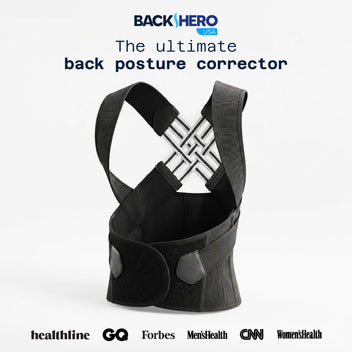
Back Hero USA Posture Corrector for Women & Men designed to heal, relieve upper back pain, and correct poor...
How Much Should You Walk for Back Pain Relief?
Now that we know the answer to “Is walking good for lower back pain?” is yes, the next important question is: how much walking is enough to see real benefits without overdoing it?
Start Small (10–15 Minutes)
If you’re experiencing lower back pain, stiffness, or have been inactive for a while, start with 10–15 minutes of slow, comfortable walking. This gentle movement helps increase blood flow, loosen tight muscles, and reduce stiffness without placing extra stress on your spine.
Increase to 20–30 Minutes
As your body adapts, aim to walk 20–30 minutes per session, about 4–6 days per week. This duration is ideal for improving mobility, strengthening the muscles that support your lower back, and reducing pain over time. Maintaining good posture while walking is just as important as the duration.
Progress Gradually
As your lower back becomes stronger and more flexible, you can gradually increase your walking time or pace. Avoid sudden increases in intensity, which may trigger discomfort or strain. Consistency is key—short, daily walks are far more effective for back pain relief than occasional long or intense sessions.
How to Walk Properly to Reduce Lower Back Pain

Walking may seem simple, but proper walking form plays a major role in pain relief. If you’re asking “Is walking good for lower back pain?”, the answer depends greatly on how you walk. Using correct technique reduces strain on your spine and helps you gain the maximum benefit from each step.
1. Maintain Neutral Posture
- Keep your head aligned over your shoulders.
- Avoid leaning forward or arching your back.
- Relax your shoulders.
2. Use Proper Footwear
Supportive shoes with good cushioning and arch support help absorb impact and maintain healthy alignment. Avoid worn-out shoes or high heels, as they can alter posture and increase lower back stress.
3. Take Smooth, Even Steps
Focus on shorter, controlled steps rather than long strides. Overstriding increases tension in the hips and lower back, while smooth, even steps promote comfort and stability.
4. Keep Your Core Gently Engaged
Lightly tighten your abdominal muscles while walking. This gentle core engagement helps stabilize the spine and explains why walking is good for lower back pain when done correctly.
5. Warm Up and Cool Down
Begin with slow walking to prepare your muscles and joints. After walking, finish with gentle stretches for the hamstrings, hip flexors, and lower back to prevent stiffness and soreness.
When Walking May Not Be Good for Lower Back Pain
Although walking is beneficial for most people, there are situations where the answer to “Is walking good for lower back pain?” may be no—at least temporarily.
1. Sharp or Radiating Pain
Although walking is beneficial for most people, there are situations where the answer to “Is walking good for lower back pain?” may be no—at least temporarily.
2. Pain After an Injury or Fall
If lower back pain starts suddenly after trauma, walking without proper assessment may worsen the condition. Medical advice is recommended first.
3. Walking Increases Pain Significantly
If pain becomes noticeably worse during or after walking, stop and reassess your posture, pace, and technique. Persistent pain may require professional guidance.
4. Severe Stiffness, Weakness, or Numbness
These symptoms could signal underlying issues that need medical evaluation before continuing a walking routine.
Best Complementary Exercises Along With Walking

If you’re still wondering “Is walking good for lower back pain?”, the answer becomes even clearer when walking is combined with simple, targeted exercises. These movements enhance mobility, strengthen supporting muscles, and reduce stiffness—helping you recover faster and walk more comfortably.
1. Knee-to-Chest Stretch
This stretch helps lengthen tight lower back muscles and release pressure that may limit how long or comfortably you can walk.
2. Cat–Cow Spinal Mobility
A gentle spinal flow that improves flexibility and reduces stiffness, making daily walking smoother and less painful.
3. Pelvic Tilts
Pelvic tilts strengthen the core and lower back, improving spinal stability and supporting proper posture during walking.
4. Hip Flexor Stretch
Tight hip flexors can increase stress on the lumbar spine. Stretching them helps answer the question “Is walking good for lower back pain?” by reducing discomfort during movement.
5. Glute Bridges
Strong glutes are essential for stabilizing the lower back while walking. Glute bridges help ensure that walking supports healing rather than causing strain.
Tips to Get the Most Out of Walking for Lower Back Pain Relief
1. Walk Daily
Regular movement prevents stiffness buildup and keeps your spine mobile. It is key. If you’re asking “Is walking good for lower back pain on a daily basis?”—yes, consistent short walks are more effective than infrequent long sessions.
2. Use a Posture Corrector
Products like the Original Back Hero Posture Corrector can help maintain good alignment during daily activities, reducing back strain—especially if you sit for long hours.
3. Track Your Progress
Monitoring steps and walking duration helps you stay consistent and gradually build strength without overloading your back.
4. Choose a Comfortable Surface
Walking on softer, even surfaces minimizes joint impact and makes walking safer and more effective for lower back pain relief.
5. Avoid Overstriding
Natural, relaxed steps reduce unnecessary tension on the hips and lower back, reinforcing why walking is good for lower back pain when done correctly.
Relieve Lower Back Pain Faster with Back Hero USA Posture Corrector

The Back Hero USA Posture Corrector is designed for individuals seeking a simple, practical solution to relieve and prevent lower back pain caused by poor posture, long sitting hours, or muscle strain. By gently realigning your spine and reducing daily tension, it helps you build healthier posture habits—key for long-term lower back comfort and mobility.
How Back Hero Helps Reduce Lower Back Pain
- Restores proper spine alignment: helps realign your shoulders and upper body to maintain a neutral spine position, reducing stress on your lower back.
- Relieves muscle tightness: decreases pressure on overloaded lumbar and upper-back muscles, easing stiffness and fatigue.
- Improves posture awareness: encourages you to maintain good posture throughout daily activities such as working, studying, or driving—key contributors to lower back pain.
Who Will Benefit Most
- Office workers
- Students
- Drivers
- Fitness beginners
- Anyone dealing with chronic or occasional lower back discomfort
Walking + Posture Correction: A Powerful Combination
For best results, pair your daily walking routine with wearing the Back Hero USA Posture Corrector. Walking helps improve circulation, loosen tight muscles, and reduce stiffness. Posture Corrector helps your posture stay aligned, preventing slouching and reducing pressure on the lumbar spine while you walk or go about your day.
Together, they create a natural, effective approach to easing lower back pain—helping you move better, recover faster, and prevent future flare-ups.
Conclusion
So, is walking good for lower back pain? Absolutely. Walking remains one of the easiest, most accessible, and most effective ways to ease discomfort, strengthen the muscles that support your spine, improve flexibility, and build long-term back health. It requires no equipment, no gym membership, and can be adapted to any age or fitness level.
When you walk with proper posture, start at a comfortable pace, and stay consistent, you can gradually reduce lower back pain and boost overall mobility. Pairing your walking routine with gentle stretching and core-strengthening exercises makes the benefits even stronger—helping you restore balance, stability, and a healthier spine for the long run.
Frequently Asked Questions
1. Is walking good for lower back pain every day?
Yes. Daily walking improves mobility and reduces stiffness. Start gently and increase duration gradually.
2. Should I walk even if my back hurts?
Mild to moderate pain can be okay, but stop if you feel sharp, intense, or radiating pain.
3. What’s better for lower back pain—walking or stretching?
Both are effective. Walking provides movement and blood flow, while stretching improves flexibility. Combining both works best.
4. Does walking help a herniated disc?
Walking can help by reducing inflammation and improving spinal stability. However, if symptoms worsen, stop and seek medical advice.
5. How long does it take for walking to help lower back pain?
Some people feel relief within a few days, while others need 2–4 weeks of a consistent routine.

