

Key Causes of Neck Discomfort You Need to Know often start with everyday habits: how you sit, how you sleep, and how you hold your head over screens. Forward head posture, weak support muscles, and poor spinal alignment all place extra load on the small structures in your neck, which leads to stiffness, tightness, and pain.
In this guide, Back Hero USA breaks down the main key causes of neck discomfort you need to know, how a “bad spine” can trigger neck pain, and what you can do at home. You will also see how Posture Corrector, the Neck Stretcher, and the Butterfly Memory Foam Neck Pillow support healthier alignment throughout your day and night.
In this article
What Neck Discomfort Really Means

Neck discomfort can show up as:
- A dull ache on one or both sides
- Sharp pain when you turn your head
- Tightness across the base of your skull
- Stiffness that makes driving or checking blind spots hard
- Pain that travels into the shoulders or upper back
Most of the time, these symptoms point back to how your neck, upper back, and spine carry load all day long.
Top Key Causes of Neck Discomfort You Need to Know
Before you fix anything, it helps to understand the key causes of neck discomfort you need to know. Many of them overlap and build on one another.
Forward head posture and tech neck

When your head drifts forward, even a little, the muscles at the back of your neck work much harder to hold it up. Long hours on phones, laptops, and gaming setups make this worse.
- Chin pokes forward toward the screen
- Shoulders round in, chest collapses
- Pain and tightness at the base of the skull
If you want an exercise based plan for this, a future article like How to Fix Tech Neck? 10 Best Exercises will pair perfectly with this section.
Weak support muscles and static sitting
Your neck relies on help from your upper back, shoulder blades, and core. When those muscles are weak or tired, your neck picks up the slack.
Common patterns:
- Long periods of sitting with little movement
- No strength work for upper back and core
- Feeling like your neck “does all the work” by the end of the day
Poor spine alignment and disc issues
A “bad spine” does not only mean obvious deformity. Even smaller alignment problems in the spine can create neck symptoms.
Examples:
- Loss of the natural curve in the neck
- Excessive rounding in the upper back
- Wear and tear in the discs that sit between vertebrae
When the spine stacks poorly, joints and discs in the neck feel more compression. Over time, this can trigger chronic stiffness or nerve irritation that travels into the shoulders and arms.
Sleep position and pillow problems

Your neck spends a third of the day in your sleeping position. If your pillow is too high, too low, or too flat, your neck stays bent for hours.
Clues:
- Neck pain or headaches in the morning
- Needing to stack extra pillows under your head
- Waking up with stiff shoulders or upper back
A poor sleep setup often hides as one of the key causes of neck discomfort you need to know, because it quietly adds strain every night.
Stress, jaw tension, and eye strain
Stress does not only live in your head. It lives in your muscles.
You might notice:
- Clenched jaw or teeth grinding
- Tight shoulders that creep toward your ears
- Eye strain from long screen time without breaks
All of these tighten the muscles that attach at the neck and skull, which keeps discomfort going even when you rest.
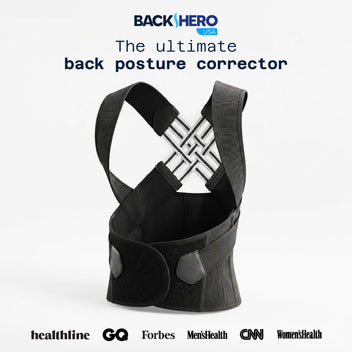
Back Hero USA Posture Corrector for Women & Men designed to heal, relieve upper back pain, and correct poor...
How Poor Spine Alignment Leads to Neck Pain

Poor spinal alignment sits behind many key causes of neck discomfort you need to know. Your neck is not an isolated part. It is the top of your spinal column.
When your thoracic spine rounds too much or your lower back collapses:
- Your head must jut forward to keep your eyes level
- Your neck joints handle angles they were not built for
- Muscles around the neck and shoulders stay in a constant tug of war
Over time, this “bad spine” pattern:
- Increases wear on discs and joints
- Irritates nerves that travel into the arms
- Makes your neck feel older and stiffer than it should
Good neck care always includes full spine awareness, not only local stretches.
Back Hero USA Tools That Support Neck Friendly Posture
Once you understand the key causes of neck discomfort you need to know, you can choose tools that support better alignment while you work, relax, and sleep.
Back Hero USA Posture Corrector

Back Hero USA Posture Corrector focuses on your upper back and shoulders, which strongly influence your neck.
It helps you:
- Gently retract your shoulders so they do not round forward
- Open your chest so your head can sit more easily over your spine
- Reduce tension that builds at the base of the neck during screen time
Key features:
- Lightweight, breathable fabric for daily wear
- Adjustable straps to fit different body types
- Soft shoulder padding to reduce rubbing
- Slim profile that works under many tops
Use Back Hero in short sessions as a reminder, not as a rigid brace. For deeper usage guidance, a guide like How to Use A Posture Corrector will help your customers get the best results once it is live.
Neck Stretcher by Back Hero USA

The Neck Stretcher gives your neck a chance to reset after long hours in forward head posture.
Benefits:
- Gently cradles the neck to encourage a more neutral curve
- Helps decompress joints and soft tissues at the base of the skull
- Eases muscle tightness that builds from looking down or sitting too long
Use it for short, relaxing sessions to calm your neck and upper spine after work, gaming, or travel.
Butterfly Memory Foam Neck Pillow by Back Hero USA
The Butterfly Memory Foam Neck Pillow supports your neck while you sleep so you do not undo your daytime progress overnight.

It is shaped to:
- Keep your neck in line with your spine in both back and side sleeping
- Reduce awkward angles that strain neck joints and muscles
- Improve sleep comfort so you wake up less stiff and sore
If you want to educate readers further on night time setup, a future article like How to Choose the Best Sleeping Position for Neck Pain will fit perfectly with this section.
Simple Daily Habits to Ease Neck Discomfort
Products help, but habits change everything. Combine your Back N Spine tools with these simple routines:
- Check your posture every hour and reset your head over your shoulders
- Take screen breaks to relax your eyes and neck
- Strengthen your upper back and core a few times per week
- Stretch your chest, front of shoulders, and upper traps regularly
- Keep bags and backpacks light and switch sides when you can
Each small choice removes a bit of pressure from your neck so it can calm down.
Conclusion
The key causes of neck discomfort you need to know rarely come from one single event. They build up slowly from tech neck, weak support muscles, poor spine alignment, stressful days, and unsupportive pillows or chairs. The good news is that small changes in posture, movement, and support can make a big difference.
Tools like Back Hero USA Posture Corrector, the Neck Stretcher and the Butterfly Memory Foam Neck Pillow help you protect your neck from morning to night while you build healthier habits.

