

Kids posture - 6 tips in front of digital devices is a practical guide for parents navigating today’s screen-focused world. From online learning to gaming and social media, children are spending more hours hunched over tablets and laptops than ever before. Without proper guidance, these habits can lead to discomfort and long-term spinal issues. Building healthy posture early is essential for growing bodies. With simple adjustments and daily awareness, parents can protect their child’s spine and confidence.
Brands like Back Hero USA also support families by offering posture solutions designed to encourage healthier alignment at home and school.
In this article
Why Kids’ Posture Matters in the Digital Age

In today’s technology-driven world, kids posture in front of digital devices has become a serious concern. Children now spend hours daily on tablets, laptops, and smartphones for learning and entertainment. Because their bones and muscles are still developing, poor posture habits can affect long-term growth.
1. Growing Spines Are More Vulnerable
Children’s spines are flexible and still forming. Constant slouching or leaning forward places repeated stress on the neck and upper back. Over time, poor kids posture in front of digital devices may contribute to muscle imbalances and alignment issues.
2. Increased Risk of “Tech Neck”
Looking down at screens adds extra pressure to the cervical spine. This can lead to:
- Neck stiffness
- Shoulder tension
- Upper back pain
- Frequent headaches
3. Impact on Breathing and Focus
Slouching compresses the chest, reducing lung expansion. Poor kids posture in front of digital devices may also lower energy levels and affect concentration during homework or online classes.
4. Habits Form Early
Posture habits developed in childhood often continue into adulthood. Teaching healthy alignment now prevents bigger problems later.
6 Essential Tips to Improve Kids Posture In Front Of Digital Devices

Improving kids posture in front of digital devices doesn’t require drastic changes. Small, consistent habits make a big difference.
1. Follow the 90-90-90 Rule
Encourage your child to sit with hips, knees, and elbows bent at 90-degree angles. Feet should rest flat on the floor or on a footrest. This position supports neutral spine alignment and reduces slouching. The 90-90-90 rule is a foundational step in protecting kids posture in front of digital devices.
2. Raise Screens to Eye Level
One of the biggest posture mistakes is looking down at a tablet or laptop. Screens should be positioned at eye level to prevent forward head posture. Use a laptop stand, stacked books, or an adjustable monitor. When screens are raised, kids posture in front of digital devices naturally improves because the neck remains aligned.
3. Limit Continuous Screen Time
Long, uninterrupted sessions increase muscle fatigue. Apply the 20-20-20 rule: every 20 minutes, look 20 feet away for 20 seconds. Add quick stretch breaks to reset posture. These small pauses reduce strain and reinforce healthy kids posture in front of digital devices.
4. Strengthen Core and Back Muscles
Posture is supported by muscle strength. Weak core and back muscles make slouching more likely. Encourage simple exercises such as planks, wall angels, and “superman” holds. Just 10–15 minutes a day can significantly support kids posture in front of digital devices by building endurance and stability.
5. Create an Ergonomic Study Space
Children need furniture that matches their height. A desk that is too high or a chair without back support encourages poor alignment. Ensure proper lumbar support and adequate lighting to prevent leaning forward. A well-designed setup directly improves kids posture in front of digital devices during homework or online classes.
6. Teach Posture Awareness
Sometimes kids simply forget to sit upright. Teach simple cues like “chin tucked” and “shoulders relaxed back.” Use mirrors or posture reminders to build awareness. Making posture a positive daily habit strengthens long-term kids posture in front of digital devices without creating stress or pressure.
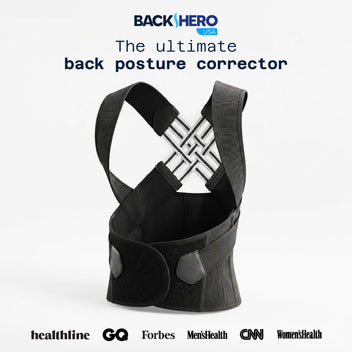
Back Hero USA Posture Corrector for Women & Men designed to heal, relieve upper back pain, and correct poor...
Signs Your Child May Have Poor Posture
Physical Signs
- Rounded shoulders – Shoulders roll forward instead of staying relaxed and aligned with the ears.
- Head leaning forward – The head noticeably juts out in front of the shoulders (a common sign of tech neck).
- Slouching while sitting – The upper back curves excessively when using a tablet or laptop.
- One shoulder appearing higher than the other – May indicate muscle imbalance from habitual leaning.
- Clothes hanging unevenly – Shirt collars may tilt or backpack straps may not sit evenly.
- Protruding shoulder blades – The upper back may look slightly hunched.
- Arched lower back when standing – Some children compensate for slouching by over-arching the lower spine.
Behavioral Signs
Posture problems often show up in daily habits:
- Leaning very close to the screen instead of sitting upright
- Resting chin in hands for long periods, which strains the neck
- Constant shifting or fidgeting due to muscle fatigue
- Sitting on one leg or twisting sideways while using devices
- Avoiding upright sitting positions, preferring to lie on the bed or floor with devices
Complaints of Discomfort
Children may not always clearly describe posture-related pain, but they might say:
- “My neck hurts” after homework
- Upper back soreness at the end of the day
- Shoulder tightness or stiffness
- Headaches after extended screen time
- Feeling unusually tired after studying
Poor kids posture in front of digital devices can also affect confidence, as children may appear withdrawn or physically closed off. Early correction is much easier than fixing long-term posture problems.
When to Seek Professional Help

Many posture issues improve with ergonomic adjustments and exercises. However, certain symptoms related to kids posture in front of digital devices require medical evaluation.
Seek Professional Advice If Your Child Has:
- Persistent neck or back pain lasting several weeks
- Visible spinal curvature
- Uneven hips or shoulders
- Recurring headaches linked to screen use
- Numbness or tingling sensations
Why Early Evaluation Matters
A pediatrician or physical therapist can determine whether the issue is:
- Muscle weakness
- Habit-based poor posture
- Structural spinal concerns
If you feel unsure, it’s always better to consult a professional for peace of mind and proper guidance.
Recommended Product for Posture Support

While daily habits like ergonomic setup and strengthening exercises are essential, some children may need additional guidance to maintain healthy kids posture in front of digital devices—especially during long study sessions or online classes.
The Back Hero USA Posture Corrector is designed to gently encourage proper shoulder and spinal alignment. Its ergonomic structure helps guide the shoulders back, reducing slouching and forward head posture commonly caused by extended screen use.
Key Benefits:
- Adjustable sizing (S–2XL) for growing children and teens
- Lightweight and breathable material for daily comfort
- Discreet design that fits under clothing
- Supports posture awareness without restricting natural movement
Rather than forcing the body into position, this posture corrector works best as a reminder tool—helping reinforce healthy habits while your child builds muscle strength and posture awareness.
When combined with ergonomic adjustments and regular movement breaks, it can be an effective way to support long-term improvements in kids posture in front of digital devices.
Conclusion
Building healthy kids posture in front of digital devices is essential in today’s screen-heavy world. With simple habits like proper seating, screen elevation, regular breaks, and muscle strengthening, parents can protect their child’s developing spine. Early awareness prevents discomfort and promotes confidence, energy, and focus. Small daily improvements create lasting results. By combining ergonomic setup, posture education, and supportive tools when needed, families can ensure children grow strong and aligned—even in the digital age.
Frequently Asked Questions
1. How long should kids use digital devices daily?
Screen time should follow age-based guidelines, with frequent movement breaks every 20–30 minutes.
2. Can poor posture become permanent?
If ignored for years, poor habits may influence spinal alignment, but early correction is highly effective.
3. Is forward head posture common in children?
Yes, especially due to extended screen use and poor kids posture in front of digital devices.
4. Are posture correctors safe for kids?
When properly fitted and used temporarily, they can support posture awareness.
5. What exercises improve posture fastest?
Core strengthening, back extension exercises, and daily stretching are highly effective.

