

Meal Time Practice: “90/90/90” for posture and stability is a simple yet powerful way to improve spinal alignment and core control during one of the most consistent daily routines—eating. Instead of slouching at the table, this method encourages proper joint angles that support balance, breathing, and digestion. By turning mealtime into a posture-training opportunity, you build healthy habits without adding extra workouts to your day.
In this Back Hero USA guide, you’ll learn how the 90/90/90 position works, why it matters, and how to apply it correctly for both adults and children.
In this article
What is the 90/90/90 Position?

Definition of the 90/90/90 Sitting Posture
The 90/90/90 position is a seated posture where three major joints — hips, knees, and ankles — are aligned at approximately 90-degree angles. This alignment promotes stability, comfort, and proper spinal support.
1. 90° at the Hips
- Thighs are parallel to the floor
- Torso forms a right angle with the thighs
- Hips are level and not tilted forward or backward
2. 90° at the Knees
- Knees are bent at a right angle
- Knees align directly under the hips
- Thighs remain horizontal (not sloping up or down)
3. 90° at the Ankles
- Ankles form a right angle
- Feet are fully flat on the floor or supported by a footrest
- Weight is evenly distributed across both feet
4. Feet Flat on the Floor
- Heels and toes stay grounded
- No dangling feet
- No excessive pressure on the toes or heels
5. Neutral Spine Alignment
- Natural inward curve at the lower back
- Gentle outward curve at the mid-back
- Head stacked over shoulders
- Shoulders relaxed, not rounded forward
Why These Angles Matter
Proper joint alignment does more than just “look good.” It directly affects how your muscles and spine function.
1. Promotes Spinal Neutrality
Maintaining 90-degree angles helps preserve the spine’s natural curves, reducing strain on spinal discs and surrounding muscles.
2. Supports Core Engagement
A balanced pelvis allows deep core muscles to activate properly, improving stability and reducing reliance on passive structures like ligaments.
3. Improves Pelvic Alignment
When hips are positioned at 90 degrees:
- The pelvis remains neutral
- Anterior or posterior tilting is minimized
- Lower back stress decreases
4. Reduces Pressure on the Lower Back
With proper alignment:
- Body weight is distributed evenly
- Lumbar compression decreases
- Risk of discomfort from prolonged sitting is reduced
Why Practice 90/90/90 During Mealtime?

Meal Time Practice: “90/90/90” for posture and stability becomes far more effective when it is attached to a consistent daily behavior. Mealtime is one of the few routines most people repeat every single day, making it the perfect opportunity to reinforce proper sitting mechanics without adding extra time, equipment, or complex exercises.
1. Mealtime Creates Automatic Consistency
Unlike workouts or posture reminders that are easy to forget, eating is non-negotiable. Most individuals sit down for at least two or three meals daily. That repetition builds neuromuscular memory. When you consistently position the hips, knees, and ankles at 90 degrees, your body gradually recognizes this alignment as the “normal” resting posture.
2. Prevents the Development of Slouching Patterns
Dining posture often deteriorates without awareness. Common habits include:
- Leaning forward toward the plate
- Rounding the shoulders
- Propping elbows heavily on the table
- Crossing legs
- Letting feet hang unsupported
These positions shift the pelvis backward and collapse the chest, increasing strain on the lower back and neck. Meal Time Practice: “90/90/90” for posture and stability counteracts these tendencies by promoting neutral spinal stacking and symmetrical lower-body support.
3. Improves Stability, Especially in Children
For children, stability equals control. When their feet dangle, the body instinctively searches for support—leading to fidgeting, leaning, or bracing against the table. Proper 90/90/90 positioning provides:
- A grounded base through the feet
- Balanced pelvic alignment
- Reduced upper-body tension
- Better utensil coordination
This often results in calmer, more focused mealtimes and improved motor organization.
4. Supports Breathing and Digestive Function
Slouched posture compresses the rib cage and abdomen. Sitting upright with proper joint alignment allows the diaphragm to expand more freely. This may:
- Encourage deeper breathing
- Reduce shoulder and neck tension
- Minimize abdominal compression during eating
While posture alone is not a medical treatment, maintaining alignment during meals supports natural body mechanics.
5. Builds a Transferable Posture Habit
One of the biggest advantages of Meal Time Practice: “90/90/90” for posture and stability is carryover. When practiced consistently, the body begins to default to better alignment in other seated activities such as:
- Studying
- Office work
- Computer use
- Reading
By anchoring posture training to mealtime, you transform a simple daily routine into a long-term foundation for improved stability and spinal health.
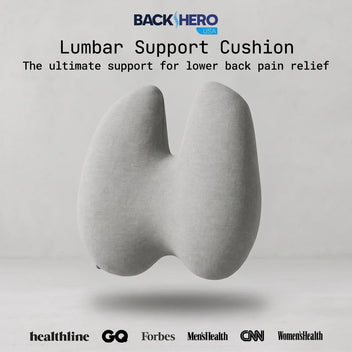
Back N Spine Lumbar Support Cushion offers ergonomic comfort, relieves lower back pain, improves posture, a...
Physical Benefits of the 90/90/90 Position
Meal Time Practice: “90/90/90” for posture and stability does more than improve how you look while sitting. It creates measurable physical benefits throughout the musculoskeletal and respiratory systems.
1. Improved Core Stability
When the hips, knees, and ankles are aligned at 90 degrees:
- Deep abdominal muscles activate naturally
- Spinal stabilizers engage to maintain balance
- The pelvis stays neutral instead of tilting forward or backward
This reduces overreliance on passive structures like ligaments and spinal discs. Over time, consistent positioning strengthens postural endurance and trunk control.
2. Better Spinal Alignment
A neutral pelvis supports the natural curves of the spine:
- Cervical spine (neck) remains stacked
- Thoracic spine avoids excessive rounding
- Lumbar spine maintains a gentle inward curve
Proper alignment decreases uneven pressure on vertebrae and may reduce discomfort associated with prolonged sitting.
3. Enhanced Breathing Mechanics
Slouching compresses the rib cage. In contrast, Meal Time Practice: “90/90/90” for posture and stability:
- Opens the chest
- Allows fuller diaphragm expansion
- Encourages deeper, more efficient breathing
Better breathing supports oxygen delivery and reduces unnecessary shoulder tension.
4. Digestive Support
An upright seated position reduces abdominal compression during meals. This may:
- Promote more comfortable digestion
- Reduce pressure on internal organs
- Minimize post-meal discomfort caused by slouching
5. Reduced Neck and Shoulder Tension
With a stable lower body foundation:
- The upper body does not need to overcompensate
- Shoulder elevation decreases
- Forward head posture becomes less likely
The result is improved muscular balance and less upper-body strain.
How to Set Up the Perfect 90/90/90 Mealtime Position

Creating the correct environment is essential for successful Meal Time Practice: “90/90/90” for posture and stability. Without proper chair and table adjustments, maintaining correct joint angles becomes uncomfortable and difficult.
1. Adjust the Chair Height First
Chair height is the foundation of proper positioning.
- Hips should be level with or slightly higher than the knees
- Thighs should rest comfortably and remain parallel to the floor
Avoid:
- Chair too high → feet dangle
- Chair too low → knees rise above hips, causing pelvic tilt
Proper seat height keeps the pelvis balanced and prevents strain on the lower back.
2. Ensure Proper Foot Support
- Feet must be fully supported.
- Feet flat on the floor
- Weight evenly distributed through both feet
If feet do not reach the floor:
- Use a stable footrest
- Avoid unstable surfaces (no tiptoes or swinging legs)
Foot grounding is critical for:
- Core muscle activation
- Improved stability
- Reduced fidgeting (especially important for children)
3. Check the Table Height
- Table height affects shoulder and arm positioning.
- Elbows should rest on the table at about 90 degrees
- Shoulders should stay relaxed
Signs the table height is incorrect:
- Shoulders shrug upward → table too high
- Excessive forward leaning → table too low
Correct height supports relaxed arms and prevents upper body tension.
4. Sit Fully Back in the Chair
Positioning in the seat matters.
- Sit all the way back
- Back supported by the chair
- Avoid perching at the edge
This helps maintain pelvic stability and prevents slouching.
5. Maintain Neutral Spine Alignment
Good posture should feel natural, not rigid.
- Natural curve in the lower back
- No exaggerated arch
- No rounded slump
Keep:
- Shoulders relaxed
- Chin slightly tucked
- Ears aligned over shoulders (no forward head posture)
Step-by-Step Guide: Teaching the 90/90/90 Rule
Teaching Meal Time Practice: “90/90/90” for posture and stability is simple when broken into clear, practical steps. The key is slow guidance, gentle correction, and consistent repetition.
Step 1: Sit All the Way Back in the Chair
Encourage full seat contact.
- Hips should touch the back of the chair
- Back should be supported, not hovering forward
- Weight evenly distributed on both sitting bones
Sitting fully back prevents slouching and creates a stable base for pelvic alignment.
Step 2: Place Both Feet Flat on the Floor (or Footrest)
Feet provide essential grounding.
- Entire foot should make contact with the surface
- Ankles form roughly a 90-degree angle
- Weight balanced between both feet
If feet dangle, use a stable footrest. Proper foot support improves core activation and reduces fidgeting.
Step 3: Position the Knees at 90 Degrees
Check knee alignment carefully.
- Knees bent at approximately 90 degrees
- Knees stacked directly under the hips
- Thighs parallel to the floor
Avoid crossing legs or tucking feet under the chair, as this disrupts hip alignment and symmetry.
Step 4: Align the Hips Evenly
The pelvis is the foundation of posture.
- Hips should sit level
- Avoid tipping forward (excessive arch)
- Avoid rounding backward (slouching)
A neutral pelvis supports the natural curve of the lower spine.
Step 5: Lift the Chest Gently
Encourage length rather than stiffness.
- Gently lift through the sternum
- Keep ribs relaxed (not flared outward)
- Think “tall and balanced” instead of rigid
This promotes spinal neutrality without over-tension.
Step 6: Relax the Shoulders
Upper body tension is common during posture correction.
- Shoulders rest naturally downward
- Slightly back, but not forced
- Avoid shrugging or pulling too hard
The goal is relaxed support, not muscular strain.
Step 7: Position the Head Neutrally
Head alignment completes the posture chain.
- Slight chin tuck
- Ears aligned over shoulders
- Avoid jutting the head forward
A helpful cue: imagine a string gently lifting the crown of your head upward.
Common Mistakes to Avoid
When practicing Meal Time Practice: “90/90/90” for posture and stability, small positioning errors can reduce its effectiveness. Understanding these common mistakes helps maintain safe and proper alignment.
1. Forcing a Rigid Posture
The goal is neutral alignment, not stiff, military-style posture.
- Over-tightening muscles causes fatigue
- Holding tension in the shoulders or lower back creates discomfort
- Posture should feel tall and balanced — not strained
Think: stable and relaxed, not stiff.
2. Incorrect Chair Height
Chair height directly affects lower-body stability.
- Feet dangling = reduced grounding
- Knees higher than hips = pelvic tilt
- Chair too high = pressure behind the thighs
Unsupported feet often lead to:
- Slouching
- Fidgeting
- Constant repositioning
Proper support at the feet is essential for core engagement.
3. Leaning Heavily on the Elbows
Light forearm support is fine, but excessive leaning:
- Shifts weight forward
- Rounds the upper back
- Reduces core muscle activation
- The spine should remain upright rather than collapsing onto the table.
4. Crossing the Legs
Crossed legs may feel comfortable, but they:
- Disrupt hip symmetry
- Rotate the pelvis
- Limit balanced core engagement
Both feet should stay evenly grounded.
5. Ignoring Head and Shoulder Position
Many people focus only on hips and knees while forgetting upper-body alignment.
- Forward head posture strains the neck
- Rounded shoulders collapse the chest
- Upper-body misalignment cancels out lower-body corrections
Proper posture is a full-body alignment — not just leg angles.
Tools & Supports That Help
Certain tools can make Meal Time Practice: “90/90/90” for posture and stability easier to maintain, especially during longer meals or for growing children. When used correctly, these supports improve alignment without creating dependency.
Adjustable Chairs
Adjustable seating is one of the most effective supports.
- Allows hips to stay level with or slightly above knees
- Adapts as children grow
- Helps maintain consistent 90-degree joint angles
Proper seat height is the foundation of stable posture.
Footrests
Foot support is essential when feet cannot comfortably reach the floor.
- Provides a stable, flat surface
- Improves grounding and balance
- Reduces leg swinging and fidgeting
A firm footrest enhances core stability by creating a solid base of support.
Lumbar Support Cushion for Neutral Spine Alignment

Even with correct lower-body positioning, many people still struggle to maintain a natural lumbar curve—especially during longer meals.
This is where ergonomic lumbar support becomes valuable.
The Back Hero USA Lumbar Support Cushion is specifically designed to contour to the natural curve of the spine. Its ergonomic shape helps:
- Maintain proper lumbar alignment
- Reduce lower back pressure
- Prevent slouching fatigue
- Support upright sitting without stiffness
Made from high-density memory foam, it provides structured support while remaining comfortable. The removable, breathable cover makes it practical for daily use at the dining table, office, or even in the car.
When combined with proper chair height and foot support, lumbar cushioning reinforces Meal Time Practice: “90/90/90” for posture and stability by helping the pelvis stay neutral and the spine remain aligned.
Posture Reminders or Wearable Supports

For individuals who have developed long-term slouching habits, external feedback can be helpful during posture retraining.
The Back Hero USA Posture Corrector is engineered to gently align the shoulders and upper spine, helping reduce rounding and forward head positioning. It:
- Encourages upright posture
- Reduces upper-back and shoulder tension
- Provides lightweight, breathable support
- Can be worn discreetly under clothing
Used appropriately, a posture corrector can serve as a training tool—especially during short periods—while you build muscle awareness through Meal Time Practice: “90/90/90” for posture and stability.
It should complement, not replace, active core engagement.
Ergonomic Dining Setup
The overall environment matters.
- Table height should allow elbows to bend at about 90 degrees
- Shoulders should remain relaxed
- No need to shrug upward or lean forward excessively
Proper furniture alignment supports the entire 90/90/90 system.
Conclusion
Meal Time Practice: “90/90/90” for posture and stability transforms a daily routine into a long-term posture training system. By aligning hips, knees, and ankles at right angles and maintaining a neutral spine, you build core stability, support healthy breathing, and protect spinal alignment. With consistent application at each meal, this simple practice becomes an automatic foundation for better sitting habits throughout the day.

