

10 Parts Of The Body Are Not Allowed To Massage include sensitive areas such as the neck, spine, joints, and regions with injuries or inflammation. Avoiding these areas helps reduce the risk of discomfort or injury. In this Back Hero USA guide, you'll learn which body parts to avoid and how to use a massage gun safely for effective muscle recovery.
In this article
Why Some Body Parts Should Never Be Massaged

Understanding 10 parts of the body are not allowed to massage is just as important as knowing where a massage gun works best. Percussion massage is designed to target soft muscle tissue, helping relieve tension, improve circulation, and promote recovery. However, not every area of the body is suitable for this type of treatment. Applying percussion to sensitive structures such as bones, joints, major nerves, or blood vessels may cause unnecessary discomfort and reduce the effectiveness of your recovery routine.
Massage Guns Are Designed for Muscles
Massage guns deliver rapid percussion to stimulate muscle fibers. Large muscle groups like the back, thighs, calves, and shoulders respond well because they contain thick layers of soft tissue. In contrast, areas with little muscle protection are more vulnerable to pressure and vibration.
For this reason, understanding 10 parts of the body are not allowed to massage helps ensure that percussion therapy is applied only where it can provide the greatest benefit.
Sensitive Areas Require Extra Care
Certain parts of the body contain delicate nerves, blood vessels, organs, or joints that are not designed to absorb repetitive percussion. Using a massage gun directly on these areas may increase discomfort or irritation rather than providing relief.
People recovering from surgery, fractures, or other injuries should also avoid affected areas until they have fully healed or have received guidance from a healthcare professional.
Safe Technique Improves Results
Even the best massage gun delivers better results when used correctly. Choosing appropriate muscle groups, keeping the device moving, and selecting a comfortable intensity all contribute to a safer and more effective recovery session.
Knowing where not to massage is one of the simplest ways to maximize the benefits of percussion therapy while minimizing unnecessary risks.
10 Parts Of The Body Are Not Allowed To Massage

Knowing 10 parts of the body are not allowed to massage helps you use a massage gun more safely and effectively. Although percussion therapy offers many recovery benefits, certain areas contain delicate structures that should not receive direct percussion. Focus on large muscle groups instead, and avoid the following areas whenever using your massage gun.
1. The Front of the Neck
The front of the neck contains major blood vessels, nerves, and the airway. Applying percussion directly to this area may cause discomfort and should always be avoided.
2. Directly Over the Spine
While the muscles alongside the spine can benefit from massage, never place the massage gun directly on the spinal bones. The vertebrae provide protection for the spinal cord and should not receive repeated percussion.
3. Bones and Bony Areas
Avoid massaging directly over areas with very little muscle coverage, including:
- Kneecaps
- Elbows
- Ankles
- Shins
- Collarbone
Massage guns are intended for soft tissue—not bone.
4. Joints
Joints such as the knees, wrists, ankles, shoulders, and elbows are not suitable treatment areas. Instead, massage the surrounding muscles that support these joints.
5. The Face and Jaw
The face contains delicate muscles, facial nerves, and sensitive tissues around the eyes and jaw. Massage guns are generally too powerful for these areas unless specifically designed for facial therapy.
6. The Chest and Heart Area
Avoid using a massage gun directly over the chest, sternum, or heart. These areas protect vital organs and are not intended for percussion therapy.
7. The Abdomen in Certain Situations
The abdominal muscles can sometimes tolerate gentle massage, but avoid using a massage gun:
- Immediately after eating
- During pregnancy unless approved by a healthcare provider
- Over hernias
- Near recent surgical sites
8. Bruises, Cuts, or Inflamed Areas
Never massage open wounds, bruises, burns, swollen tissue, or areas showing signs of active inflammation. Percussion may increase irritation and slow the healing process.
9. Varicose Veins and Areas with Suspected Blood Clots
Avoid placing a massage gun over enlarged veins or areas where circulation problems are suspected. If you have concerns about your vascular health, consult a healthcare professional before using percussion therapy.
10. Recent Injuries or Fractures
Do not use a massage gun on recently sprained muscles, broken bones, torn ligaments, or healing surgical sites. Wait until the area has sufficiently recovered and follow your healthcare provider's recommendations before resuming massage.
By remembering these 10 parts of the body are not allowed to massage, you can safely enjoy the benefits of percussion therapy while reducing unnecessary risks. Always focus on healthy muscle tissue and stop immediately if you experience unusual pain or discomfort.
When your back, shoulders, and legs feel tight after a long day, this is your go-to reset. The Back Hero US...
Which Body Parts Are Safe to Massage?

After learning 10 parts of the body are not allowed to massage, it's equally important to know where a massage gun can be used safely. Percussion therapy is most effective on large muscle groups with plenty of soft tissue. Focusing on these areas helps improve circulation, reduce muscle soreness, and support faster recovery while minimizing the risk of discomfort.
Shoulders and Upper Back
The shoulders and upper back are among the most common areas for massage gun use. These muscles often become tight from exercise, poor posture, or long hours at a desk. Gentle percussion can help relieve stiffness and improve mobility.
Lower Back Muscles
The muscles on either side of the lower spine can benefit from massage, but avoid placing the massage gun directly over the spinal bones. Keeping the device on the surrounding muscles helps reduce tension while maintaining safe technique.
Glutes and Hips
The glute muscles are large, dense muscles that respond well to percussion therapy. Regular massage can help reduce tightness caused by prolonged sitting, running, cycling, or strength training while improving overall mobility.
Legs and Calves
Quadriceps, hamstrings, and calf muscles are ideal treatment areas. These muscles work hard during walking, running, sports, and everyday activities. Using a massage gun on these areas may help reduce post-workout soreness and improve flexibility.
Forearms and Upper Arms
People who lift weights, work at a computer, or perform repetitive hand movements often develop tight forearm muscles. Gentle percussion can help relieve muscle fatigue and improve comfort. By focusing on these muscle groups and avoiding the 10 parts of the body are not allowed to massage, you can enjoy safer and more effective muscle recovery.
Common Mistakes People Make When Using a Massage Gun
Understanding 10 parts of the body are not allowed to massage is only part of using a massage gun safely. Many users make simple mistakes that reduce the effectiveness of percussion therapy or increase the risk of discomfort. Avoiding these habits will help you get better results from every recovery session.
Applying Too Much Pressure
One of the biggest misconceptions is that pushing harder creates a better massage. In reality, excessive pressure can make muscles more sensitive and uncomfortable. Allow the massage gun to glide naturally over the muscle while letting the motor provide the percussion.
Staying Too Long on One Area
Holding the massage gun in one location for several minutes isn't necessary. Most muscle groups only require 30 seconds to 2 minutes of treatment. Keeping the device moving helps distribute percussion evenly and prevents unnecessary irritation.
Using the Highest Speed Immediately
Many users automatically select the highest intensity setting. However, beginning with a lower speed allows your muscles to adapt more comfortably. Higher settings should be reserved for larger muscle groups or users who are accustomed to percussion therapy.
Massaging Unsafe Body Parts
Perhaps the most important mistake is ignoring the 10 parts of the body are not allowed to massage. Avoid using a massage gun on bones, joints, the front of the neck, the spine, bruises, inflamed tissue, varicose veins, recent injuries, or areas near vital organs.
Ignoring Pain Signals
A massage gun should create a firm but comfortable sensation. If you experience sharp pain, numbness, dizziness, or worsening discomfort, stop using the device immediately. Pain is a signal that the area may require a different treatment approach.
Skipping the Correct Massage Head
Different massage heads are designed for different muscle groups. Using the appropriate attachment improves comfort, allows more targeted treatment, and helps reduce unnecessary pressure on sensitive muscles.
Why the Back Hero USA 16-Head Massage Gun Helps You Recover Safely

Knowing the 10 parts of the body are not allowed to massage is essential, but choosing a massage gun that's designed with safety and comfort in mind is just as important. The Back Hero USA 16-Head Massage Gun combines innovative technology with user-friendly features, making it an excellent choice for everyday muscle recovery.
Shop Back Hero USA 16-Head Massage Gun Now
Wide 16-Head Coverage Reduces Repetitive Treatment
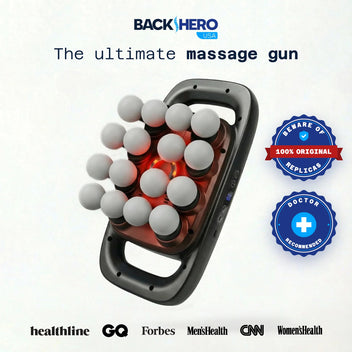
Unlike traditional massage guns that focus percussion on a single point, the Back Hero USA Massage Gun features an innovative 16-head massage system that distributes percussion across a much larger area. This wider coverage allows multiple muscle fibers to be treated simultaneously, reducing the need to repeatedly target the same spot.
As a result, users can complete recovery sessions more efficiently while maintaining a comfortable massage experience.
Adjustable Intensity for Safer Recovery
Not every muscle requires deep percussion. The adjustable intensity settings allow you to personalize each session based on your comfort level, activity, and recovery needs.
Use lower intensity for sensitive or smaller muscle groups and increase the speed for larger muscles such as the thighs, calves, glutes, and back. This flexibility helps users follow safe recovery practices while respecting the 10 parts of the body are not allowed to massage.
Ergonomic Design for Better Control
The ergonomic handle provides a secure and comfortable grip, making it easier to control the massage gun during treatment. Better control reduces accidental contact with sensitive areas and allows users to focus precisely on targeted muscles.
Whether you're treating your shoulders, legs, or back, the lightweight design minimizes hand fatigue during longer recovery sessions.
Durable and Easy to Use
The Back Hero USA Massage Gun is built for consistent everyday performance. Durable materials, intuitive controls, and a portable design make it suitable for home, office, or travel use.
Its simple operation also makes it ideal for beginners who want an effective recovery tool without a complicated learning curve.
Designed for Everyday Muscle Recovery
When used correctly, the Back Hero USA 16-Head Massage Gun helps relieve muscle soreness, reduce stiffness, improve circulation, and support flexibility. Combined with proper technique and an understanding of the 10 parts of the body are not allowed to massage, it provides a safe and practical solution for maintaining healthy muscles after workouts or daily activities.
Conclusion
Understanding the 10 parts of the body are not allowed to massage is one of the most important steps toward using a massage gun safely. By avoiding sensitive areas, focusing on healthy muscle tissue, and using a reliable device like the Back Hero USA 16-Head Massage Gun, you can maximize recovery, reduce muscle tension, and enjoy the full benefits of percussion therapy with greater confidence.
Learn more news, tips, products, and special promotions by staying tuned to our blog, Facebook, and Instagram. If you have any questions about our products or services, please don’t hesitate to reach out to us at support@backherousa.com. Our dedicated care team is available 24/7 and always happy to assist you.
Frequently Asked Questions
1. What are the 10 parts of the body that are not allowed to massage?
The main areas to avoid include the front of the neck, spine, bones, joints, face, chest, certain abdominal areas, bruises, varicose veins, and recent injuries or fractures.
2. Can I use a massage gun on my spine?
No. Avoid placing a massage gun directly on the spinal bones. Instead, massage the muscles on either side of the spine.
3. Is it safe to use a massage gun on the neck?
You can gently massage the muscles on the back and sides of the neck, but never use a massage gun on the front of the neck where major blood vessels and nerves are located.
4. Which body parts are safest to massage with a massage gun?
Large muscle groups such as the shoulders, upper back, glutes, quadriceps, hamstrings, calves, and forearms are generally the safest and most effective treatment areas.
5. Why should I avoid certain body parts when using a massage gun?
Sensitive areas contain bones, joints, nerves, blood vessels, or vital organs that are not designed for percussion therapy. Avoiding these locations helps reduce the risk of discomfort or injury while improving the effectiveness of your recovery routine.

