

5 Signs You’re Sitting Too Much—if you’ve ever wondered whether long hours at your desk are affecting your body, the answer is likely yes. Prolonged sitting quietly disrupts circulation, weakens key muscles, and strains your posture in ways you may not notice at first.
In this Back Hero USA guide, we break down the most common warning signs and explain how sitting too long impacts your body from head to toe. Understanding these early clues helps you take action before small discomforts turn into lasting issues.
In this article
Sign #1: Stiffness and Pain in the Lower Back

1. Pressure on the Lumbar Discs
Prolonged sitting compresses the lumbar discs, leading to fatigue and stiffness in the lower back. Over time, muscles become tight, and bending or lifting can feel uncomfortable.
2. Poor Posture Increases Strain
Slouching or rounding your spine forces lower-back muscles to work harder just to keep you upright, intensifying discomfort.
3. Forward-Leaning Toward Screens
Leaning toward a monitor or device adds extra tension on the lower spine, worsening tightness and pain.
4. Signs to Watch For
- Back feels tight when standing up after sitting
- Aching or throbbing in the lower back at the end of the day
5. How to Prevent Long-Term Issues
Regular movement, stretching, and posture awareness can reduce strain and protect your spine from chronic discomfort and alignment problems.
Sign #2: Tight Hips and Weak Glutes
1. Tight Hip Flexors
Prolonged sitting keeps hip flexors in a shortened, inactive position, causing stiffness and reduced mobility. This affects walking, standing, and balance.
2. Weak Glutes (“Gluteal Amnesia”)
Inactive glutes weaken over time, forcing other muscles—like hamstrings and lower back—to compensate. This increases the risk of strain and discomfort.
3. Posture Implications
Tight hip flexors pull the pelvis forward, exaggerating the lower-back curve and causing instability in posture.
4. Signs to Watch For
- Stiffness when standing up
- Difficulty fully extending the hips
- Reduced strength when climbing stairs or exercising
5. How to Improve
Mobility exercises and glute-strengthening routines can reverse these effects, restore proper movement patterns, and improve overall stability.
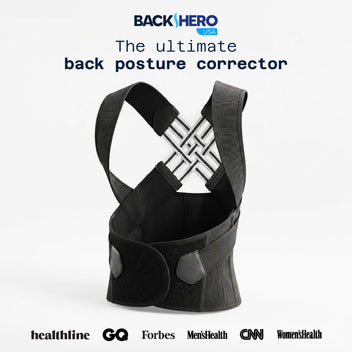
Back Hero USA Posture Corrector for Women & Men designed to heal, relieve upper back pain, and correct poor...
Sign #3: Poor Circulation and Swelling in the Legs

Reduced blood flow is one of the more serious Signs You’re Sitting Too Much, and it often goes unnoticed until symptoms appear. When you sit for long stretches, circulation in the legs slows significantly, especially around the calves and ankles. This can lead to swelling (edema), numbness, tingling, or a heavy feeling in the legs. Over time, poor circulation may also contribute to varicose veins or increased risk of blood clots.
1. Slowed Circulation
Prolonged sitting significantly slows blood flow in the legs, especially around the calves and ankles. This can cause swelling (edema), numbness, tingling, or a heavy feeling in the legs.
2. Long-Term Risks
Poor circulation over time may contribute to varicose veins or increase the risk of blood clots.
3. Why It Happens
When muscles remain inactive, they can’t contract to help pump blood back toward the heart, causing fluid to pool in the lower body.
4. Signs to Watch For
- Swelling in legs or feet after sitting long periods
- Cold, stiff, or heavy-feeling legs
5. How to Improve
Regular movement, leg stretches, and maintaining good posture can help restore healthy circulation and reduce the risk of vein-related problems.
Sign #4: Decreased Energy and Slower Metabolism
1. Lower Energy Levels
Sitting for long periods reduces calorie burn and slows metabolic rate, causing muscles to become less responsive. This can lead to fatigue, sluggishness, and difficulty concentrating.
2. Reduced Brain Function
Inactivity decreases the flow of oxygen and nutrients to the brain, contributing to mental fog and lowered productivity.
3. Long-Term Health Impacts
A consistently slow metabolism may increase the risk of weight gain, insulin resistance, and decreased cardiovascular function.
4. Signs to Watch For
- Feeling unusually tired despite adequate sleep
- Afternoon energy slumps
5. How to Improve
Breaking up sitting time with movement reactivates muscles, supports metabolism, and boosts alertness. Regular activity is essential for maintaining energy and overall health.
Sign #5: Neck, Shoulder, and Upper Back Pain

Neck and shoulder discomfort are among the most recognizable Signs You’re Sitting Too Much, especially for people who work at a computer.
1. Upper-Back Strain
Leaning forward, craning your neck toward a screen, or hunching your shoulders places stress on the cervical spine and upper back. Over time, this weakens upper-back muscles and tightens the chest and neck, causing persistent stiffness and pain.
2. Shoulder Tension
Many people unknowingly raise their shoulders when stressed or focused, increasing tension in the trapezius muscles.
3. Signs to Watch For
- Frequent shoulder rubbing
- Knots or tightness in the upper back
- Headaches starting at the base of the skull
4. How to Improve
Adjusting your workstation, maintaining proper posture, and supporting daily posture habits can significantly reduce discomfort and prevent chronic issues.
Why Sitting Too Much Is Harmful Long-Term
Ignoring the early Signs You’re Sitting Too Much can lead to long-lasting health problems.
1. Muscles and Joints
Prolonged sitting weakens key muscles, including the glutes, hamstrings, and back muscles, while stiffening joints in the hips, knees, and spine. Over time, this makes everyday movements—like standing, walking, or bending—more difficult and increases the risk of injury.
2. Circulation and Metabolism
Sitting for hours reduces blood flow to the legs and lowers metabolic rate. This can contribute to weight gain, insulin resistance, and a higher risk of cardiovascular disease.
3. Chronic Pain and Posture
Poor posture while sitting leads to chronic neck, shoulder, and lower-back pain. Muscle imbalances from inactivity can cause long-term spinal misalignment.
4. Overall Wellbeing
Extended sitting can also elevate stress levels, reduce energy, and limit overall mobility, impacting both physical and mental health.
5. Take Action Early
By recognizing these risks, you can incorporate regular movement, stretches, and posture-supporting habits to prevent small issues from developing into lifelong problems.
How to Fix the Problem: Simple, Actionable Tips

If you struggle with posture-related discomfort from long sitting hours, consider using the Back Hero USA Posture Corrector —a supportive device designed to gently realign your spine, reduce muscle strain, and promote healthier posture throughout the day.
Key Features & Benefits:
- Instant Upright Posture: Encourages proper spinal alignment immediately after wearing.
- Tension Relief: Reduces discomfort and strain in your back, neck, and shoulders caused by slouching or long hours of sitting.
- Long-Term Muscle Training: Gradually strengthens postural muscles for sustainable alignment.
- Soft & Comfortable: Lightweight, breathable, and skin-friendly material for all-day wear.
- Physiotherapist Approved: Endorsed by experts for safe and effective posture correction.
- Discreet Design: Fits comfortably under clothing, making it perfect for everyday use.
Size and Color:
The Back Hero Posture Corrector features adjustable straps that comfortably fit sizes S–2XL, making it easy for anyone to achieve the right support. It’s also available in two stylish colors: Pink and Black, so you can choose the look that fits your style.
Why Choose Back Hero USA Posture Corrector?
The Back Hero USA Posture Corrector helps restore your spine’s natural position, easing pressure off your nerves so your body can move freely again.
When your spine is straight, your nerves stay calm — no more tension, no more constant pain. Feel the difference from within — relief that’s more than just looking tall, it’s about feeling right.
Conclusion : Signs You're Sitting Too Much
Understanding the Signs You’re Sitting Too Much helps you take control of your health before minor discomfort turns into chronic pain. From stiff hips to circulation issues, your body sends signals when it needs more movement and better posture support. By making small adjustments—like taking regular breaks, stretching, and improving your ergonomics—you can significantly reduce the negative effects of prolonged sitting. Your body thrives on motion, and even simple daily habits can make a powerful difference.
Frequently Asked Questions
1. How many hours of sitting per day is considered too much?
Generally, more than 7–8 hours of daily sitting increases health risks.
2. Can sitting too long cause permanent posture issues?
Yes, prolonged poor posture can lead to long-term imbalances if not corrected.
3. How often should I stand or stretch during work?
Every 30–45 minutes, even just for 1–2 minutes, helps significantly.
4. Does exercise offset the effects of sitting too long?
Exercise helps, but it doesn’t fully counteract prolonged sitting—regular movement breaks are essential.
5. What’s the fastest way to improve posture while sitting?
Use proper ergonomics, support your lower back, keep your screen at eye level, and stay mindful of slouching.

