

10 Tips on How to Straighten Your Back and Correct Spine Posture—the quickest way to start improving your posture is to strengthen your core, stretch tight muscles, and adjust your sitting and standing alignment. These simple actions immediately reduce pressure on your spine and help you sit and stand taller.
With the Back Hero USA guide, you’ll learn how small adjustments, simple exercises, and daily awareness can dramatically improve the health of your spine. Whether you sit for long hours, struggle with rounded shoulders, or feel tension after work, these actionable tips will help you correct posture safely and effectively.
In this article
Understanding Proper Spine Alignment

Proper spine alignment means keeping the natural curves of your neck, mid-back, and lower back in balance. When the spine stays in a neutral position, your muscles work efficiently and pressure is evenly distributed.
Why Alignment Matters
- Reduces strain on muscles and joints
- Prevents stiffness and chronic pain
- Supports better movement, breathing, and balance
Common Signs of Poor Alignment
- Rounded shoulders
- Forward head posture
- Tight chest muscles
- Lower back arching excessively
Why This Matters Before Applying Posture Tips
Understanding alignment helps you apply tips on how to straighten your back and correct spine posture correctly. It teaches you what “good posture” should feel like, making it easier to prevent slouching and maintain proper form throughout daily activities.
10 Tips on How to Straighten Your Back and Correct Spine Posture
Here are 10 practical and effective tips on how to straighten your back and correct spine posture, designed to help you build long-term alignment and reduce daily discomfort.
Tip 1: Strengthen Your Core Muscles

A strong core acts as the foundation of proper posture. When your core is weak, your spine works harder to stay upright, leading to slouching and fatigue. Incorporate exercises like planks, dead bugs, bird dogs, and glute bridges to build stability and control. Over time, stronger core muscles help your spine stay naturally aligned without extra effort.
Tip 2: Strengthen Your Upper Back
Weak upper-back muscles often lead to rounded shoulders and a collapsed chest. Strengthen this area with rows, face pulls, resistance-band pull-aparts, and Y-T-W movements. These exercises open the chest, pull the shoulders back, and help maintain an upright, confident posture, especially if you sit for long hours.
Tip 3: Stretch Tight Chest and Hip Muscles
Tight chest muscles pull your shoulders forward, while stiff hip flexors tilt your pelvis, both of which disrupt proper alignment. Daily doorway chest stretches, hip-flexor stretches, and gentle spine extensions restore muscular balance. Improving flexibility in these areas allows your spine to stack naturally and reduces strain.
Tip 4: Practice Daily Posture Checks
Posture awareness is a habit you build over time. Set alarms or use posture-tracking apps to remind yourself to roll your shoulders back, align your head over your spine, and avoid collapsing your chest. These consistent posture checks make the tips on how to straighten your back and correct spine posture more sustainable and effective.
Tip 5: Improve Your Desk Ergonomics
Your workspace plays a major role in spinal health. Elevate your monitor to eye level, keep your keyboard within comfortable reach, support your lower back, and ensure your feet rest flat on the floor. Ergonomic adjustments reduce strain on your neck, shoulders, and lower back, allowing you to maintain better posture throughout long work hours.
Tip 6: Use Supportive Tools When Necessary
Supportive tools provide additional guidance when your posture becomes difficult to manage on your own. Lumbar cushions, ergonomic chairs, standing desks, and quality posture correctors help keep your spine aligned. These tools don’t replace strong muscles, but they reinforce correct positioning and reduce the likelihood of slouching.
Tip 7: Strengthen Your Glutes
Your glutes play a major role in pelvic stability and spinal alignment. Weak glutes can cause your pelvis to tilt forward, increasing back strain. Exercise regularly with glute bridges, clamshells, hip thrusts, and split squats. Stronger glutes help your spine stack properly and improve your overall posture—whether sitting, standing, or walking.
Tip 8: Maintain Proper Standing and Walking Form
Good posture isn’t just about sitting—it’s about how you move. When standing or walking, keep your shoulders relaxed, your core lightly engaged, and your head balanced over your hips. Distribute your weight evenly across both feet. These simple alignment habits help train your spine to stay upright naturally.
Tip 9: Use Diaphragmatic Breathing

Diaphragmatic breathing engages your deep core muscles, which support your spine from within. By breathing into your belly rather than your chest, you activate the transverse abdominis—one of the most important stabilizers for posture. Practicing this breathing technique improves alignment and reduces tension in the upper back and neck.
Tip 10: Limit Screen Time Posture Mistakes
Avoid “text neck” by keeping devices at eye level. Small adjustments like this make a huge difference when applying tips on how to straighten your back and correct spine posture daily.
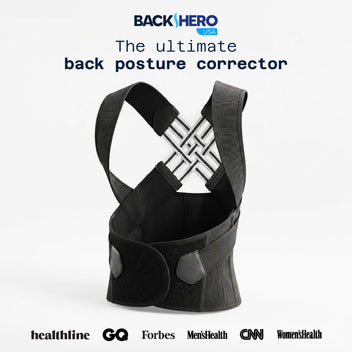
Back Hero USA Posture Corrector for Women & Men designed to heal, relieve upper back pain, and correct poor...
When Poor Posture Needs Professional Help
Even when using home-based tips on how to straighten your back and correct spine posture, some symptoms indicate you may need a specialist.
When to Seek Help
- Pain lasting more than 2–4 weeks
- Pain that worsens despite stretching and strengthening
- Persistent stiffness or mobility limitations
Red-Flag Symptoms
Seek medical care immediately if you experience:
- Numbness or tingling
- Sharp, radiating leg pain
- Loss of bladder or bowel control
- Unexplained fever or weight loss
How Professionals Help
A physical therapist or chiropractor can:
- Identify muscle imbalances
- Correct spinal alignment
- Provide personalized exercises
- Address deeper structural issues
Combining professional guidance with your tips on how to straighten your back and correct spine posture ensures safer, faster progress.
Daily Habits That Support Better Posture
Lasting results come from building small habits that reinforce your tips on how to straighten your back and correct spine posture every day.
Movement Habits
- Stand, stretch, or walk every 30–45 minutes
- Add 5–7 minutes of gentle morning mobility
- Switch between sitting and standing if possible
Sitting Habits
- Keep feet flat on the floor
- Support your lower back with a cushion
- Sit with shoulders relaxed and spine tall
Device & Screen Habits
- Keep phone at eye level
- Raise laptop or monitor to reduce leaning forward
- Avoid “text neck” by lifting devices higher
Nighttime Habits
- Use the right pillow height
- Maintain neutral spine while sleeping
- Avoid stomach sleeping if it strains your back
These daily practices make your tips on how to straighten your back and correct spine posture more effective and easier to maintain long term.
Transform Your Posture with the Back Hero USA Posture Corrector

If you’re looking for extra guidance while applying these tips on how to straighten your back and correct spine posture, the Back Hero USA Posture Corrector is an excellent support option. Designed to gently align your spine and shoulders, it helps you maintain proper posture throughout the day—whether you’re working, driving, or doing daily activities.
Why It Helps
- Gently pulls your shoulders back to prevent slouching
- Supports your lower and upper spine for proper alignment
- Reduces tension in the neck, shoulders, and lower back
- Helps you build long-term posture habits with consistent use
Key Features
- Adjustable Fit: Available from size S to 2XL for different body types
- Ergonomic Design: Lightweight, breathable, and comfortable under clothing
- Dual Support System: Upper-back straps + lower lumbar wrap for full-spine stability
- Daily Comfort: Ideal for work, home, long sitting hours, or workouts
- Durable Materials: Built for long-term use and everyday wear
How It Supports Your Posture Journey
Using a posture corrector won’t replace exercises, but it gives you the gentle guidance your body needs as you practice good habits. Combined with stretching, strengthening, and ergonomic changes, the Back Hero USA Posture Corrector accelerates your progress toward a straighter, healthier spine.
Conclusion
Improving posture doesn’t have to be complicated. By applying these tips on how to straighten your back and correct spine posture, you can strengthen your muscles, reduce tension, and support long-term spinal health. With consistent practice and the right tools—like the Back Hero USA Posture Corrector—you can maintain proper alignment throughout your day. Better posture leads to better comfort, confidence, and overall well-being.
Frequently Asked Questions
1. How long does it take to correct posture?
Most people begin noticing improvements within 2–6 weeks with consistent practice.
2. Can posture correctors really help?
Yes, they provide gentle support and help reinforce healthy alignment habits.
3. Do posture exercises need equipment?
No, many effective exercises use only your body weight.
4. Can poor posture cause back and neck pain?
Absolutely—misalignment increases pressure on muscles and joints.
5. What is the #1 mistake people make with posture?
Slouching while sitting or looking down at screens for long periods.

