

What can cause lower back pain in women? This common issue affects millions of women at some point in their lives, often interfering with daily activities, work, and overall quality of life. Lower back pain in women can stem from a wide range of causes, including musculoskeletal issues, hormonal changes, reproductive health conditions, and lifestyle factors. Understanding the underlying causes is crucial for prevention and effective management.
The Back Hero USA guide offers a comprehensive approach to addressing lower back pain in women, combining posture correction, targeted exercises, and spine-strengthening strategies to reduce discomfort and support long-term spinal health.
In this article
Common Causes of Lower Back Pain in Women

What can cause lower back pain in women? There are multiple potential factors, ranging from muscle strain to underlying medical conditions.
Musculoskeletal Causes
Muscle strain from lifting, bending, or repetitive motion is one of the most frequent causes. Weak core and postural muscles can also contribute, placing additional pressure on the lumbar spine. Joint issues, including sacroiliac or facet joint dysfunction, may lead to persistent discomfort.
Hormonal and Reproductive Factors
Hormonal changes during the menstrual cycle can trigger lower back discomfort due to prostaglandins. Pregnancy adds strain on the lower back as weight shifts and ligaments loosen. Menopause-related estrogen decline can weaken bones, increasing the risk of vertebral compression fractures.
Gynecological Conditions
Conditions like endometriosis, uterine fibroids, and pelvic inflammatory disease can all cause lower back pain in women, sometimes radiating to the hips or legs.
Urinary and Gastrointestinal Causes
Urinary tract infections, kidney stones, and gastrointestinal issues such as constipation or irritable bowel syndrome can lead to referred lower back pain.
Spinal Conditions
Herniated discs, degenerative disc disease, and spinal stenosis are common culprits, especially in older women.
Lifestyle Factors
Prolonged sitting, poor ergonomics, obesity, and sudden weight changes can exacerbate lower back pain. Sedentary habits weaken supporting muscles and increase the likelihood of strain.
Risk Factors Unique to Women
1. Hormonal Fluctuations
Hormones play a key role in spinal and muscle health. During menstruation, pregnancy, and menopause, changes in estrogen and progesterone can affect ligaments, bone density, and muscle tone, making women more prone to lower back pain.
2. Pregnancy and Postpartum Changes
Pregnancy shifts the center of gravity and stretches abdominal and pelvic muscles, often straining the lower back. Postpartum, weak core muscles can leave the spine vulnerable to continued discomfort.
3. Gynecological Conditions
Conditions such as endometriosis or uterine fibroids can cause chronic or intermittent lower back pain, sometimes radiating to the hips or legs.
4. Lifestyle and Occupational Factors
Prolonged sitting, carrying heavy bags, repetitive bending, or poor ergonomics can further increase the risk of lower back strain.
By understanding what can cause lower back pain in women, women can implement preventive measures, practice posture correction, and perform targeted strengthening exercises to reduce risk and maintain long-term spinal health.
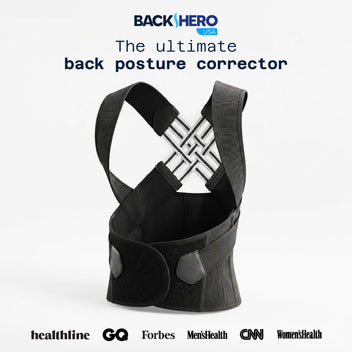
Back Hero USA Posture Corrector for Women & Men designed to heal, relieve upper back pain, and correct poor...
Symptoms and Warning Signs
Understanding what can cause lower back pain in women helps identify problems early and seek timely care.
1. Common Symptoms
Lower back pain may present as persistent aching, sharp or shooting pain, stiffness, or difficulty moving. Pain often worsens after prolonged sitting, standing, or physical activity.
2. Nerve-Related Signs
Numbness, tingling, or weakness in the legs may indicate nerve involvement, such as a herniated disc or spinal compression.
3. Posture and Muscle Fatigue
Some women notice postural changes, reduced flexibility, or fatigue in the core and back muscles, which can further contribute to discomfort.
4. Red Flags
Severe, sudden, or worsening pain, especially when accompanied by bladder or bowel issues, requires immediate medical attention.
By recognizing these signs and understanding what can cause lower back pain in women, you can address underlying causes promptly, prevent progression, and maintain spinal health over time.
Prevention and Self-Care Tips
1. Maintain Proper Posture
Keep shoulders back, engage your core, and avoid slouching throughout the day. Regular posture checks reduce spinal strain and prevent bad habits from forming.
2. Strengthening Exercises
Target the core, glutes, and lower-back muscles to support proper spinal alignment. Strong postural muscles reduce stress on the lumbar region and help prevent recurring pain.
3. Stretching and Flexibility
Incorporate stretches for the hamstrings, hip flexors, and spine to improve flexibility and mobility, making daily movement easier and safer.
4. Lifestyle Adjustments
Avoid prolonged sitting, take frequent movement breaks, and use supportive seating. Ergonomic adjustments at work or home reduce strain on the lower back.
5. Sleep and Rest
Proper sleep positions and a supportive mattress play an important role in spinal health, minimizing overnight stress on the lower back.
By applying these habits consistently, women can take control over what can cause lower back pain in women, prevent discomfort, improve posture, and maintain long-term spine health.
Treatment Options

Addressing what can cause lower back pain in women often requires a multi-faceted approach that targets both symptoms and underlying causes.
1. Medication and Pain Relief
Over-the-counter pain relievers, such as NSAIDs, can help reduce discomfort temporarily. For more severe cases, a doctor may prescribe stronger medication based on the underlying condition.
2. Physical Therapy and Exercise
Targeted exercises and physical therapy strengthen the core and supporting muscles, improve posture, and restore mobility. Regular practice helps prevent recurring strain and promotes long-term spine health.
3. Alternative Therapies
Massage, acupuncture, and yoga can reduce muscle tension, improve circulation, and alleviate chronic discomfort. These therapies complement conventional treatments and support overall well-being.
4. Medical Intervention
Women with conditions like osteoporosis, herniated discs, or gynecological issues may require medical evaluation. Imaging tests, minimally invasive procedures, or surgery may be recommended for persistent or severe pain.
5. Lifestyle and Self-Care
Consistent posture correction, ergonomic adjustments, and daily self-care remain essential. Understanding what can cause lower back pain in women allows treatments to be tailored, providing both immediate relief and long-term benefits.
Back Hero USA Posture Corrector – Support Your Spine, Reduce Pain

To complement exercises and lifestyle changes, the Back Hero USA Posture Corrector can provide extra support. It helps maintain spinal alignment, reduces muscle fatigue, and trains your body to maintain proper posture throughout daily activities. Lightweight and adjustable, it’s ideal for home, office, or light activity use, helping women prevent and reduce lower back pain effectively.
1. Supports Natural Spine Alignment
The posture corrector helps maintain the natural curves of the upper and lower back. It prevents slouching, hunching, and forward-head posture—three of the most common bad habits.
2. Reduces Muscle Fatigue
By giving your body proper support, the device reduces tension in the neck, shoulders, and upper back. This makes long sitting sessions more comfortable and less tiring.
3. Encourages Muscle Memory
Wearing the Back Hero USA Posture Corrector trains your body to remember correct posture. Over time, your muscles adapt, making good posture feel natural even without the device.
4. Ideal for Work, Study, and Daily Use
Lightweight and comfortable, it can be worn under clothing at home, in the office, or while doing light activities. It pairs perfectly with ergonomic chairs and desk setups.
5. Helps Prevent Long-Term Damage
By reducing strain and improving alignment, the Back Hero helps minimize the risks associated with bad sitting habits, such as pain, stiffness, and muscle imbalance.
The Back Hero USA Posture Corrector features adjustable straps that comfortably fit sizes S–2XL, making it easy for anyone to achieve the right support. It’s also available in one stylish color: Black.
Conclusion
Understanding what can cause lower back pain in women is key to prevention and effective management. Causes range from muscle strain, hormonal changes, and reproductive health issues to lifestyle factors like poor posture and prolonged sitting.
Early recognition of symptoms, combined with posture correction, targeted exercises, and supportive devices like the Back Hero USA Posture Corrector, can reduce discomfort and prevent worsening. By adopting consistent habits and strengthening the spine, women can maintain proper alignment, improve mobility, and enjoy long-term spinal health.
Frequently Asked Questions
1. Can pregnancy cause lower back pain in women?
Yes, pregnancy shifts weight and stretches ligaments, which can strain the lower back.
2. How does menopause affect lower back pain?
Declining estrogen can weaken bones and muscles, increasing back pain risk.
3. When should a woman see a doctor for lower back pain?
Seek medical help for persistent, severe, or radiating pain, numbness, or bladder/bowel issues.
4. Can lifestyle changes really prevent lower back pain?
Yes, posture correction, exercise, ergonomic adjustments, and movement breaks help prevent pain.
5. Is lower back pain always related to the spine?
No, it can also stem from muscles, reproductive organs, urinary tract, or gastrointestinal issues.

