

What Does It Mean to Have Good Posture? In simple terms, it means your spine keeps its natural curves while your head, shoulders, and hips stay aligned so your muscles don’t have to overwork. Good posture is less about looking “perfect” and more about moving and sitting without pain.
In this guide, we’ll break down what healthy alignment looks like in real life, common signs of bad posture, and simple daily habits to reset your body. We’ll also show how Back Hero USA supports and cushions can gently train better posture over time.
In this article
What Does It Mean to Have Good Posture?
What Does It Mean to Have Good Posture? It means your body is aligned so your bones, joints, and muscles share the workload evenly, with your spine in its natural “S” curve rather than forced straight or hunched.

Good posture is simply a comfortable, balanced position where:
- Your head is stacked over your shoulders
- Your shoulders sit over your hips
- Your hips align over your knees and feet
- Your muscles feel supported, not strained
When this happens, your body spends less energy just holding you up, so you feel lighter, move easier, and are less likely to develop aches and stiffness.
Static vs dynamic posture
To fully answer “What Does It Mean to Have Good Posture?”, it helps to understand two types of posture:
-
Static posture. This is how you hold yourself when you are still, such as sitting at a desk, standing in line, or lying down.
-
Dynamic posture. This is how you hold yourself when you are moving, such as walking, running, lifting, or bending.
You can have decent static posture but poor dynamic posture if you repeatedly bend, twist, and lift in ways that overload your spine. Both types matter for long-term comfort and health.
Key alignment checkpoints (standing, sitting, sleeping)
Here are simple checkpoints that bring the definition of “What Does It Mean to Have Good Posture?” into everyday life.
When standing:
- Head: Level, with your chin parallel to the floor.
- Shoulders: Relaxed and slightly back, not hiked up or slumped forward.
- Spine: Maintaining the gentle “S” curve, not overly arched or flattened.
- Core: Gently engaged, as if zipping up slightly snug jeans.
- Legs and feet: Knees soft (not locked), feet hip-width apart, weight evenly distributed.
When sitting:
- Hips: All the way back in the chair, not perched on the edge.
- Back: Lower back supported by the chair or a small cushion.
- Hips and knees: Roughly a 90-degree angle.
- Feet: Flat on the floor or on a footrest, not dangling.
When sleeping:
- Pillow: Keeps your neck in line with your spine (not forced up or bent down). A contoured option like the Butterfly Memory Foam Neck Pillow from Back Hero USA is designed to support your natural cervical curve while you sleep.

- Position: Back or side sleeping usually makes neutral alignment easier than stomach sleeping.
- Extra support: A pillow between your knees (side sleeping) or under your knees (back sleeping) can reduce lower-back strain.
Why Good Posture Matters for Your Health
So What Does It Mean to Have Good Posture for your long-term health? It means giving your joints, muscles, and nerves the best possible environment to do their jobs with minimal stress.

Physical benefits: less pain, more energy
When your body is aligned:
- You reduce pain and flare-ups. Proper posture lowers strain on your neck, shoulders, and lower back.
- You feel less fatigued. Your muscles do not have to work overtime just to hold you upright.
- You breathe and circulate better. An open chest allows your lungs to expand and your blood to flow more freely.
- You stay more flexible. You are less likely to feel stiff after a day of sitting or standing.
Mental and confidence benefits
The answer to “What Does It Mean to Have Good Posture?” is not only physical; it is also psychological:
- Standing tall with an open chest often makes you feel more confident.
- Your body sends fewer “pain” and “stress” signals to your brain.
- You naturally appear more engaged and present in conversations, meetings, and photos.
Many body-language experts agree that posture is one of the fastest ways to influence how confident you look and feel.
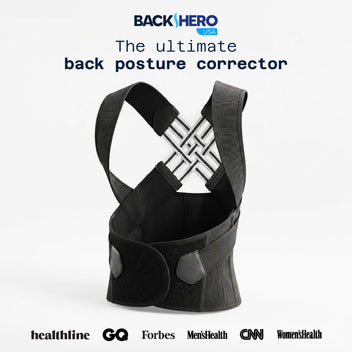
Back Hero USA Posture Corrector for Women & Men designed to heal, relieve upper back pain, and correct poor...
How to Improve Your Posture Day to Day
In real life, What Does It Mean to Have Good Posture? It means building small habits into your day that your body can actually maintain, instead of forcing yourself into a rigid “perfect” pose.

Sit smarter, not stiffer
You do not need to sit like a statue. Aim for:
- Chair height that lets your feet rest flat on the floor or a footrest.
- Hips positioned all the way back, with your lower back supported.
- Screens raised so you are not constantly bending your neck forward.
- Short breaks every 30–60 minutes to stand, stretch, and reset your position.
- A good lumbar support cushion can turn an average chair into a much more spine-friendly setup.
Stand and walk taller
You can apply the idea behind “What Does It Mean to Have Good Posture?” every time you stand up:
- Imagine a string gently lifting the top of your head toward the ceiling.
- Relax your shoulders and lightly draw them back instead of rounding forward.
- Distribute your weight evenly between both feet, rather than leaning on one side.
When walking, think about smooth, relaxed steps instead of rushing with your head and shoulders hunched forward.
Move, stretch, and strengthen
Good posture is easier when your muscles are strong enough to support it:
- Add simple core exercises (like planks, dead bugs, and bird dogs) a few times per week.
- Train your upper back and shoulders with rows or band pull-aparts.
- Walk regularly to break up long sitting periods.
- Try yoga, Pilates, or basic mobility routines to keep joints moving well.
The stronger and more mobile your body is, the more naturally it will find and keep better alignment.
Back Hero USA Tools That Support Better Posture
If you sit, drive, or stand for long periods, you might wonder, “What Does It Mean to Have Good Posture when my lifestyle makes it hard?” In many cases, the realistic answer is to combine better habits with smart support tools.
At Back Hero USA, you can explore the full collection of posture and spine-support products here.
Below are three products that pair especially well with a good-posture routine.
The Back Hero USA Posture Corrector – gentle posture corrector

Back Hero USA Posture Corrector is designed to gently guide your upper body into better alignment by:
- Lightly drawing your shoulders back and opening your chest.
- Encouraging a more neutral upper-back position, so you hunch less.
- Helping your body “remember” what upright posture feels like.
The best way to use Back Hero USA Posture Corrector is in short daily sessions (for example, 15–60 minutes), so you build muscle memory without relying on it all day.
Back Hero USA Pressure Relief Seat Cushion – smarter sitting setup

Sitting on a flat, hard, or poorly sized surface is one of the fastest ways to undo good posture. The Pressure Relief Seat Cushion helps by:
- Redistributing pressure away from your tailbone and sitting bones.
- Encouraging a more neutral pelvis, which supports your lower-back curve.
- Making long sitting sessions more comfortable, so you slouch less to escape discomfort.
Combine this cushion with regular standing and stretch breaks for a powerful posture upgrade.
Lumbar Support Cushion – protect your lower back curve

Your lower-back curve is a big part of the answer to “What Does It Mean to Have Good Posture?” Maintaining that natural curve is much easier with the Back Hero USA Lumbar Support Cushion
- It fills the gap between your lower back and the chair.
- It helps keep your lumbar spine in a gentle inward curve.
- It reduces the tendency to slide forward and round your back as you get tired.
Use it on office chairs, dining chairs, car seats, and even at home wherever you tend to sit for long periods.
Conclusion: Good Posture Is Built One Day at a Time
In the end, good posture is not about chasing a perfect pose. It’s about building small, repeatable habits that keep your body aligned, supported, and pain-free. Tools like the Back N Spine Back Hero posture corrector can give your spine a gentle nudge in the right direction, making proper alignment easier to find and easier to keep.
What really transforms your posture over time is consistency, not perfection. With the right setup, supportive cushions and braces, and a few daily check-ins with your body, you can sit more comfortably, protect your spine, and steadily upgrade your overall quality of life.
FAQs About Good Posture
1. What Does It Mean to Have Good Posture in everyday life?
In everyday life, What Does It Mean to Have Good Posture? It means your head, shoulders, spine, hips, and feet are stacked in a way that feels balanced and relaxed, not stiff. You should be able to sit, stand, and move without constantly bracing or straining your muscles. Good posture is not about being perfectly straight; it is about keeping your natural spinal curves while staying comfortable and pain-free.
2. How long does it take to improve my posture?
It depends on your starting point and habits, but most people notice small changes in a few weeks when they consistently work on posture. Simple steps like adjusting your chair, using a lumbar cushion, taking standing breaks, and doing light core exercises can add up quickly. More stubborn habits (like years of slouching) may take a few months of steady effort to feel truly natural again.
3. Are posture correctors safe to use every day?
Posture correctors can be a helpful training tool when they are used correctly and in moderation. Instead of wearing one all day, it is usually better to use a posture corrector like Back Hero USA Posture Corrector in short sessions (for example, 15–60 minutes) to remind your body how proper alignment feels. If you have existing spine conditions, recent injuries, or significant pain, check with a healthcare professional before using any brace.
4. Can good posture fix all my back and neck pain?
Good posture can reduce strain and help prevent many common aches, but it is not a guaranteed cure for every type of back or neck pain. Pain can come from multiple factors: muscle weakness, stress, past injuries, arthritis, or other medical conditions. Improving your posture, staying active, and using supportive tools such as Back N Spine Posture Corrector can help, but you should see a doctor or physical therapist if pain is strong, persistent, or worsening.
5. How can I maintain good posture when I work at a desk all day?
Desk work is tough on posture, but a few adjustments make a big difference:
- Set your chair so your feet are flat on the floor or a footrest.
- Use a lumbar support cushion to keep your lower back curve supported.
- Place your screen at eye level so you are not bending your neck forward.
- Use a seat cushion if your chair is too hard or low.
- Take mini-breaks every 30–60 minutes to stand, stretch, and reset.
These small, consistent changes help you keep good posture without feeling like you are fighting your body all day.

