

What Foods Worsen Scoliosis? In short: foods that increase inflammation, weaken bone density, or strain muscle recovery may worsen scoliosis symptoms. While no single food can cause scoliosis, certain eating habits can indirectly affect pain levels, mobility, and spinal support. That’s why understanding dietary triggers matters—especially for individuals managing curvature-related discomfort or inflammation.
In this Back Hero USA guide, we break down the specific foods that may negatively impact scoliosis, explain the science behind diet and spinal health, and offer practical nutritional recommendations to support a healthier, stronger back. By knowing what to avoid—and what to add—you can make smarter choices that complement your posture care, physical therapy, and long-term spine wellness strategy.
In this article
Does Diet Really Affect Scoliosis?

Many people wonder whether diet can affect scoliosis. While food cannot change the shape of your spine or directly alter its curvature, it can influence how your body responds to the condition. Diet impacts inflammation, muscle strength, bone density, energy levels, and overall recovery—all of which affect movement comfort and spinal support.
Foods That May Worsen Scoliosis Symptoms:
- High-sugar and processed foods: Can increase inflammation and weaken tissues.
- Inflammatory ingredients: May worsen pain and stiffness.
- Nutrient deficiencies: Lack of calcium, vitamin D, magnesium, or protein can reduce muscle and bone function, making posture support more difficult.
While diet is not a cure, understanding what foods worsen scoliosis helps you avoid choices that trigger pain and supports nutrients that strengthen muscles, bones, and overall spinal health.
Foods That May Worsen Scoliosis

When exploring what foods worsen scoliosis, it's important to focus on ingredients and dietary patterns that increase inflammation, weaken bones, or contribute to muscle fatigue. These factors don’t cause scoliosis, but they can aggravate discomfort or slow progress in physical therapy.
1. High-Sugar Foods
Candy, pastries, soda, and sweetened drinks create inflammatory spikes, promote weight gain, and interfere with bone metabolism. For individuals with scoliosis, this can mean more pressure on the spine and increased pain.
2. Processed and Fast Foods
Frozen meals, chips, fried foods, and packaged snacks often contain preservatives, unhealthy fats, and low nutritional value. They are among the most common answers to what foods worsen scoliosis because they fuel chronic inflammation.
3. Excess Salt
Highly salted foods like instant noodles, canned soups, and deli meats cause calcium loss through urine. Lower calcium levels weaken bone density, which can be problematic for anyone dealing with curvature.
4. Trans Fats and Hydrogenated Oils
These fats—found in deep-fried foods, margarine, and commercial baked goods—are known inflammation triggers that can worsen back stiffness.
5. Excess Caffeine
While moderate caffeine is safe, large amounts from energy drinks or coffee can interfere with calcium absorption, indirectly affecting bone health.
6. Alcohol
Alcohol disrupts nutrient absorption, weakens muscles, and negatively affects bone density, making it a key contributor in conversations about what foods worsen scoliosis.
7. Low-Calcium or Low-Nutrient Diets
Diets lacking dairy, leafy greens, nuts, seeds, or fortified alternatives weaken the body’s natural ability to maintain strong bones and muscles.
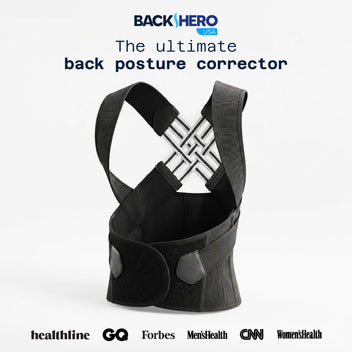
Back Hero USA Posture Corrector for Women & Men designed to heal, relieve upper back pain, and correct poor...
How These Foods Affect the Spine and Muscles
Understanding what foods worsen scoliosis is easier when you know why they harm the spine. These foods influence the body through three major pathways: inflammation, bone density, and muscle strength.
1. Inflammation and Pain
Sugar, processed foods, and unhealthy fats create inflammatory responses in the body. For someone with scoliosis, inflammation worsens muscle tightness, nerve irritation, and joint stiffness. This amplifies back pain and reduces mobility, making daily movement more challenging.
2. Weakened Bone Density
Foods high in salt, alcohol, or excessive caffeine interfere with the body’s mineral balance, especially calcium and magnesium. Poor bone quality doesn’t cause scoliosis, but it can make the spine more vulnerable to stress, especially during growth or aging.
3. Reduced Muscle Support
Muscles surrounding the spine are crucial for maintaining posture and stability. Diets low in protein, vitamins, and minerals can weaken these muscles, making it harder to support the spine properly. When people ask what foods worsen scoliosis, they’re often unknowingly referring to foods that deplete muscle recovery and energy.
4. Increased Body Weight
High-calorie processed foods promote weight gain, adding more pressure to the spinal column. Extra load on the spine can intensify discomfort, fatigue, and curve-related strain.
5. Impaired Healing and Recovery
Alcohol, sugars, and nutrient-poor diets slow down the body’s natural healing processes. This affects anyone undergoing physical therapy, wearing a brace, or using posture correction tools.
In short, what foods worsen scoliosis are those that disrupt the body’s natural balance, compromise muscle function, and fuel inflammatory pathways that heighten spinal discomfort.
Recommended Diet for Scoliosis Support

Answering what foods worsen scoliosis matters, but knowing what helps is just as important. A supportive diet strengthens bones, reduces inflammation, and fuels muscle recovery—all essential for maintaining spinal stability.
1. Anti-Inflammatory Foods
Focus on berries, leafy greens, turmeric, ginger, olive oil, and fatty fish like salmon or sardines. These foods help counteract inflammation triggered by sugar and processed ingredients.
2. Bone-Strengthening Nutrients
Calcium and vitamin D are essential for spinal strength. Good sources include dairy products, fortified plant milk, tofu, almonds, broccoli, chia seeds, and sardines. Vitamin D can come from sunlight, fortified foods, or fatty fish.
3. Muscle-Building Proteins
Protein helps repair and strengthen muscles that support the spine. Include lean meats, eggs, legumes, quinoa, nuts, and seeds.
4. Magnesium-Rich Foods
Magnesium supports muscle relaxation and prevents painful spasms. Foods include avocados, pumpkin seeds, dark chocolate (in moderation), spinach, and cashews.
5. Omega-3 Fatty Acids
Omega-3s reduce inflammation and improve joint function. Sources include salmon, flaxseeds, walnuts, and chia seeds.
6. Hydrating Foods and Water
Proper hydration keeps spinal discs cushioned and flexible.
By combining these foods, you not only avoid what foods worsen scoliosis, but you actively nourish the spine, promote better posture, and enhance recovery from daily strain or exercise.
Special Considerations for Teens With Scoliosis
Teens often ask what foods worsen scoliosis because this is the period when spinal curvature can progress the fastest. During growth spurts, the body needs significantly more calcium, vitamin D, and protein to build strong bones and muscles. Diets high in sugar, fast food, or energy drinks can worsen inflammation and deprive the body of needed nutrients.
For teenagers with scoliosis, focusing on nutrient-dense foods is critical: dairy or fortified alternatives, leafy greens, eggs, lean proteins, nuts, seeds, and fruits. Avoiding the foods known to worsen inflammation can also help reduce back pain during sports, school activities, or daily posture demands. A well-balanced diet during adolescence supports proper skeletal development and helps stabilize the spine during rapid growth phases.
Back Hero USA Posture Corrector: Your Daily Spine Support

While understanding what foods worsen scoliosis is essential, many people also look for solutions that provide direct support to the spine and posture. The Back Hero USA Posture Corrector is designed to gently open the shoulders, reduce rounding, and improve muscular alignment—helping address common posture challenges associated with scoliosis.
Key Features & Benefits:
- Instant Upright Posture: Encourages proper spinal alignment immediately after wearing.
- Tension Relief: Reduces discomfort and strain in your back, neck, and shoulders caused by slouching or long hours of sitting.
- Long-Term Muscle Training: Gradually strengthens postural muscles for sustainable alignment.
- Soft & Comfortable: Lightweight, breathable, and skin-friendly material for all-day wear.
- Physiotherapist Approved: Endorsed by experts for safe and effective posture correction.
- Discreet Design: Fits comfortably under clothing, making it perfect for everyday use.
The Original Back Hero Posture Corrector features adjustable straps that comfortably fit sizes S–2XL, making it easy for anyone to achieve the right support. It’s also available in two stylish colors: Pink and Black, so you can choose the look that fits your style.
Conclusion
Understanding what foods worsen scoliosis empowers you to make smarter daily choices that support your spinal health. While food cannot change your spinal curvature, it can significantly influence inflammation, muscle function, bone strength, and overall comfort. Avoiding high-sugar foods, excessive salt, processed snacks, and alcohol can help reduce painful flare-ups and improve your body’s ability to support the spine.
Pairing these choices with nutrient-rich foods—such as leafy greens, salmon, nuts, seeds, and calcium-rich options—creates a strong foundation for managing scoliosis more effectively. Combine diet with good posture habits, physical therapy, and expert guidance for the best long-term results. By understanding what helps and what foods worsen scoliosis, you take control of your health in a powerful, practical way.
Frequently Asked Questions
1. Can certain foods actually worsen scoliosis?
Not the curvature itself, but they can worsen pain, inflammation, and muscle tension.
2. What foods worsen scoliosis the most?
Sugary foods, processed meals, excessive salt, alcohol, and trans fats.
3. Can diet slow scoliosis progression?
Diet cannot stop progression but can improve bone and muscle health.
4. Is caffeine bad for scoliosis?
Large amounts can interfere with calcium absorption, but moderate use is okay.
5. What nutrients help support the spine?
Calcium, vitamin D, magnesium, protein, and omega-3 fatty acids.

