

What happens to your legs when you sit too long? In short, prolonged sitting slows circulation, stiffens joints, weakens muscles, and increases the risk of swelling, varicose veins, and even blood clots. These changes can develop quietly but have long-term effects on your overall leg health.
In this guide, Back Hero USA breaks down exactly what happens to your legs when you sit too long, why these issues occur, and the simple steps you can take to protect your lower body from the impacts of a sedentary lifestyle.
1. Reduced Blood Circulation

One of the earliest effects of prolonged sitting is poor blood flow. When you remain seated, especially with your knees bent, blood struggles to travel efficiently through your legs. This explains what happens to your legs when you sit too long—your circulation slows, a process commonly linked to poor venous return in the lower limbs.
Why circulation slows
- The leg muscles, which normally help push blood upward, stay inactive.
- Gravity pulls blood toward your feet.
- Vein valves work harder but less efficiently.
Common symptoms
- Numbness
- Tingling
- Cold feet
- Pins-and-needles sensations
2. Leg Swelling (Edema)
Leg swelling is one of the most noticeable effects of sitting for too long. When you remain in the same position for hours, circulation slows, causing blood to pool in the lower legs.
As pressure builds inside the veins, fluid begins to seep into the surrounding tissues, leading to puffy ankles, a tight sensation in the skin, and an overall feeling of heaviness. Over time, this fluid buildup can become more frequent and take longer to resolve. This type of swelling, known as dependent edema, is commonly associated with prolonged sitting and inactivity.
Common Warning Signs of Swelling
- Tight or shiny skin: Your lower legs may feel stretched or uncomfortable.
- Deep sock marks: Indentations appear easily and stay longer than usual.
- Limited ankle mobility: Flexing or rotating your ankles may feel stiff.
- Heaviness or aching: Legs can feel weighted down, especially at the end of the day.
Why Sitting Makes Swelling Worse
Whether you’re on a long flight, driving for hours, or working at a desk, prolonged sitting forces blood to collect in the legs. Without regular movement, your calf muscles—the body’s natural “pump”—cannot push blood back toward the heart efficiently. This dramatically increases the risk of edema and discomfort.
3. Varicose Veins and Spider Veins

A major concern related to what happens to your legs when you sit too long is the development of varicose veins. When blood continually pools due to inactivity, vein walls stretch and valves weaken, causing veins to bulge.
Why sitting contributes to varicose veins
- Blood pressure inside leg veins increases
- Valves that keep blood moving upward become strained
- Weakened vein walls lose elasticity
Long-term consequences
- Bulging, rope-like swollen veins
- Spider veins near the surface of the skin
- Aching, burning, or throbbing in the legs
Repeated swelling and poor circulation over months or years highlight exactly what happens to your legs when you sit too long without changes in daily movement.
4. Muscle Weakness and Tightness

Prolonged sitting causes muscle weakness and tightness, disrupting movement and stability.
Muscles that weaken:
- Glutes: Harder to maintain posture; may strain the lower back.
- Hamstrings: Reduce hip stability; make standing or bending difficult.
- Calves: Affect ankle strength; can alter gait and increase fall risk.
Muscles that tighten:
-
Hip flexors & quadriceps: Pulled forward by prolonged bending, adding strain to the knees.
This imbalance—weak muscles in some areas, tightness in others—leads to poor posture, stiffness, discomfort, and reduced mobility. Regular standing, stretching, and leg movement are essential to counteract these effects.
5. Increased Risk of Blood Clots (DVT)
Perhaps the most serious issue linked to what happens to your legs when you sit too long is the risk of blood clots, specifically deep vein thrombosis (DVT). When blood flow slows dramatically, clots can form in the deep veins of the legs.
High-risk situations
- Long-haul flights
- Road trips over 3 hours
- Sedentary office jobs
- Post-surgery recovery
DVT warning signs
Sudden swelling in one leg
- Warmth or redness
- Sharp calf pain
6. Nerve Compression Issues
Prolonged sitting—especially in poor posture—compresses nerves around the hips and legs. Many people don’t realize that nerve irritation is part of what happens to your legs when you sit too long.
Common nerve issues
- Sciatic nerve compression : Causes shooting pain or numbness down the back of your leg.
2. Peroneal nerve compression
- Often triggered by crossing legs.
- Can lead to tingling or temporary foot drop.
7. Joint Stiffness and Reduced Mobility
Staying in a bent-knee position for hours creates stiffness in the knees and hips. Over time, this stiffness becomes more noticeable and affects daily activities. This joint stress explains another part of what happens to your legs when you sit too long: your flexibility and mobility decline.
Symptoms of joint stiffness
- Pain when standing after sitting
- Difficulty bending or straightening the knees
- Tightness in the groin and hip joints
As joints remain unmoved, synovial fluid—which reduced movement limits joint lubrication, accelerating joint stiffness and reduced mobility over time.
How Long Is “Too Long” to Sit?
Sitting for extended periods can negatively affect your leg muscles, posture, and overall mobility. To reduce these risks, experts recommend:
- Standing every 30–60 minutes to give your muscles a break and improve circulation.
- Moving for 2–5 minutes by walking around or doing light activity to reactivate weakened muscles.
- Stretching your legs throughout the day to counteract tightness in the hip flexors, quadriceps, and calves.
These recommendations align with workplace ergonomics guidance from CDC NIOSH.
Even if you exercise regularly, prolonged sitting still poses risks to your muscles and joints. Using ergonomic chairs, cushions, or posture-supporting products can further help maintain proper alignment and reduce strain while seated.
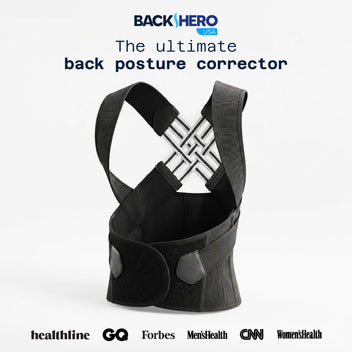
Back Hero USA Posture Corrector for Women & Men designed to heal, relieve upper back pain, and correct poor...
How to Protect Your Legs When You Sit a Lot

Understanding what happens to your legs when you sit too long is only half the solution—prevention matters just as much.
Movement Habits
- Stand once every hour
- Walk during phone calls
- Try ankle circles, calf raises, or knee bends at your desk
Ergonomic Support
Keeping your body aligned while sitting is essential for reducing many problems linked to what happens to your legs when you sit too long.
-
Keep your feet flat on the floor
This improves circulation and prevents unnecessary pressure on the knees and lower legs. - Use a posture corrector such as the Back Hero USA Posture Corrector: This product gently pulls your shoulders back, aligns your spine, and prevents slouching. When your upper body stays aligned, it reduces compression on your hips and pelvis—both of which directly influence leg circulation and nerve pressure. This tool is especially useful for people who sit at a desk for hours or tend to hunch forward without realizing it.
- Add lumbar support with the Back Hero USA Lumbar Support Cushion: It is designed to maintain the natural curvature of your spine, preventing your lower back from rounding or collapsing. When your lumbar spine is supported, your hips stay in a neutral position, which reduces tension in the thighs and hamstrings. Proper lumbar alignment also improves blood flow in the lower body, helping prevent swelling and stiffness associated with long sitting periods.
See more:
How Long Does It Take for a Posture Corrector to Show Results?
How Often Should You Wear a Posture Corrector?
Back Hero Posture Corrector Reviews
Relief Tools
Relief tools can help undo the tension and posture strain that contribute to what happens to your legs when you sit too long.
- Use a Neck Stretcher to release upper-body tension: The Back Hero USA Neck Stretcher gently decompresses the cervical spine, improving alignment throughout the entire back. When the upper body is properly aligned, it reduces compensatory pressure placed on the lower back and legs. This helps ease nerve compression, hip tension, and circulation issues caused by poor sitting posture.
- Elevate your legs after long sitting sessions: Raising your legs above heart level helps reverse blood pooling, reduces swelling, and improves venous return.
- Hydrate regularly and stretch your hip flexors: Staying hydrated keeps muscles functioning properly, while stretching the hip flexors counters shortening and stiffness—two common issues that arise from prolonged sitting.
These tools, combined with healthy movement habits, effectively counter many issues associated with what happens to your legs when you sit too long.
When You Should See a Doctor
Seek medical help if you experience:
- Sudden swelling in one leg
- Warm, red, or painful areas
- Severe stiffness
- Bulging veins causing discomfort
These may be signs of conditions related to what happens to your legs when you sit too long and should be evaluated promptly.
Conclusion
Understanding what happens to your legs when you sit too long helps you take proactive steps toward better circulation, mobility, and long-term leg health. From swelling and vein issues to muscle weakness and nerve compression, prolonged sitting has real consequences.
However, with regular movement and the right supportive tools—like the Back Hero USA Posture Corrector, Lumbar Support Cushion, and Neck Stretcher—you can significantly reduce the negative effects and keep your lower body strong and healthy.
Frequently Asked Questions
1. Why do my legs feel numb after sitting too long?
Numbness comes from slowed circulation and nerve compression—key signs of what happens to your legs when you sit too long.
2. Can sitting too long cause permanent leg damage?
Yes. Chronic sitting may contribute to varicose veins, muscle atrophy, and increased clot risk.
3. How often should I stand to avoid leg problems?
Every 30–60 minutes is ideal to counter what happens to your legs when you sit too long.
4. Do posture-correcting products help?
Yes, tools like the Back Hero Posture Corrector and Lumbar Support Cushion improve alignment and reduce pressure.
5. What’s the easiest way to reduce leg stiffness from sitting?
Take short walking breaks, stretch, elevate your legs, and use ergonomic support tools.

