

How to fix cervical kyphosis? Fixing cervical kyphosis depends largely on its cause and severity. For mild or posture-related cases, non-surgical treatments such as targeted exercises, physical therapy, and bracing can make a remarkable difference. In more advanced or structural cases, medical intervention — including pain management or surgery — may be necessary to restore proper spinal alignment and relieve discomfort.
In this guide, Back Hero USA will explain what cervical kyphosis is, its causes and symptoms, and the most effective ways to manage, treat, and prevent it naturally for a healthier neck and spine — including how to fix cervical kyphosis.
In this article
What Is Cervical Kyphosis?

Cervical kyphosis is an abnormal forward curvature of the neck, where the cervical spine (the upper portion of your backbone) bends outward instead of maintaining its natural inward curve, known as cervical lordosis. This imbalance causes the head to jut forward, resulting in a hunched or rounded neck posture often referred to as “tech neck.”
In a healthy spine, the cervical region forms a gentle C-shaped curve that supports the head’s weight and helps absorb shock. When this curve reverses or flattens, it disrupts spinal alignment and balance, leading to muscle strain, nerve compression, and reduced mobility.
Many people ask, “what is cervical kyphosis?” because it can affect anyone — from teenagers spending long hours looking down at screens to older adults experiencing age-related spinal degeneration. Depending on its cause, the condition may be mild and reversible or more complex and structural. Learning how to fix cervical kyphosis early can prevent long-term issues.
Types of Cervical Kyphosis
There are generally three main types of cervical kyphosis, each with different causes and treatment approaches:
- Postural Kyphosis: The most common and often reversible type, caused by prolonged poor posture, muscle weakness, and forward head position. Knowing how to fix cervical kyphosis can often resolve this type naturally.
- Congenital Kyphosis: A structural spinal deformity present at birth, resulting from abnormal vertebral development.
- Degenerative or Acquired Kyphosis: Develops over time due to aging, spinal injury, disc degeneration, or diseases such as arthritis or osteoporosis.
Understanding what is cervical kyphosis and which type you have is key to determining the most effective treatment plan — and whether the condition can be improved through natural correction or requires medical intervention.
For anyone still wondering, what is cervical kyphosis? It is essentially a neck alignment issue that can be addressed with the right posture, exercises, or medical care depending on its severity.
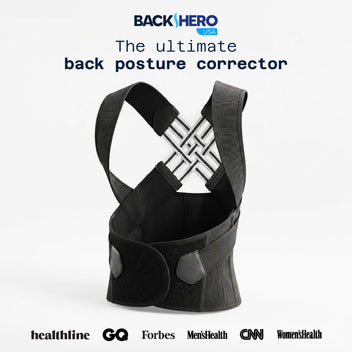
Back Hero USA Posture Corrector for Women & Men designed to heal, relieve upper back pain, and correct poor...
7 Common Causes of Cervical Kyphosis
Cervical kyphosis can result from a variety of factors — some lifestyle-related, others structural or medical. Understanding the causes of cervical kyphosis is essential for designing an effective treatment plan and learning how to fix cervical kyphosis.
Poor Posture (Tech Neck)

Prolonged use of smartphones, laptops, and tablets often leads to forward head posture — a major contributor to postural kyphosis. Over time, this strain weakens the neck and upper back muscles, allowing the head to drift forward.
Poor posture is one of the most common causes of cervical kyphosis in today’s digital age. Corrective measures for how to fix cervical kyphosis include ergonomic adjustments and posture exercises.
Spinal Degeneration
As we age, the intervertebral discs lose hydration and elasticity. This disc degeneration can cause vertebral collapse or misalignment, leading to a curved cervical spine. Degenerative changes are among the significant causes of cervical kyphosis in older adults, but targeted therapy can help with how to fix cervical kyphosis.
Muscle Imbalance and Weakness
Weak deep neck flexors and tight chest or shoulder muscles contribute to poor posture and spinal imbalance. Without corrective strengthening and stretching, this imbalance worsens over time, emphasizing the importance of how to fix cervical kyphosis.
Congenital Factors
Some individuals are born with spinal malformations that cause cervical kyphosis. These cases are typically identified in early childhood and may require medical monitoring or surgical correction. Even for congenital cases, understanding how to fix cervical kyphosis helps manage symptoms.
Trauma or Injury

Whiplash, fractures, or other spinal injuries can alter the shape of the vertebrae or the alignment of the neck, resulting in abnormal curvature. Post-injury rehab focuses on how to fix cervical kyphosis.
Post-surgical Complications
Occasionally, cervical kyphosis can develop after spinal surgery, especially if there’s an imbalance in the vertebrae or fusion of specific segments. Rehab strategies for how to fix cervical kyphosis can improve recovery.
Diseases or Infections
Conditions such as arthritis, osteoporosis, or spinal infections (like tuberculosis of the spine) can weaken bones and cause progressive spinal deformity. Medical care and exercises contribute to how to fix cervical kyphosis in these cases.
In many modern cases, lifestyle factors — especially poor posture and long hours of screen use — are the most common and reversible causes of cervical kyphosis, highlighting the importance of early intervention and how to fix cervical kyphosis.
Symptoms of Cervical Kyphosis
Cervical kyphosis may develop gradually, and symptoms can range from mild discomfort to severe pain and nerve-related complications. Recognizing the signs early helps prevent long-term damage and how to fix cervical kyphosis.
- Forward Head Posture: One of the most noticeable signs is a visible forward tilt of the head, giving a “hunched neck” appearance.
- Neck Pain and Stiffness: Persistent soreness or tightness in the neck and shoulders is common, particularly after long periods of sitting or device use.
- Reduced Range of Motion: Turning or tilting the head becomes difficult due to stiffness in the cervical spine.
- Headaches: Strain on neck muscles and compressed nerves can trigger tension headaches, especially at the base of the skull.
- Shoulder, Upper Back, or Arm Pain: Misalignment of the cervical spine can cause referred pain that radiates down to the shoulders or arms.
- Tingling or Numbness: In severe cases, pinched nerves may lead to tingling sensations or numbness in the hands and fingers.
- Muscle Weakness and Fatigue: Overworked muscles from supporting poor posture can weaken, leading to fatigue and reduced endurance.
- Balance or Coordination Issues: Advanced cases can affect spinal cord function, leading to dizziness or instability.
If you experience chronic neck pain or notice a visible curve in your neck, early evaluation by a healthcare professional is vital to prevent progression and restore spinal health.
How Serious Is Cervical Kyphosis?

Cervical kyphosis can range from mild postural issues to severe deformities that impact nerve function and quality of life. In mild, posture-related cases, it primarily causes discomfort, stiffness, and cosmetic concerns. However, when the curvature becomes more pronounced, it can compress nerves or the spinal cord, leading to pain, numbness, and even loss of coordination.
Untreated severe cervical kyphosis may lead to chronic pain, limited mobility, or neurological symptoms. Early detection and proactive management — including posture correction, therapy, and lifestyle changes — can prevent these complications and improve long-term outcomes.
Is Cervical Kyphosis Reversible?

In many cases, yes — cervical kyphosis can be improved or even reversed, particularly when caused by poor posture or muscle imbalance. Postural and mild degenerative cases often respond well to targeted exercises, stretching, and ergonomic adjustments.
However, structural or congenital forms usually cannot be fully reversed, though symptoms can be managed effectively with physiotherapy, bracing, or surgery when needed. The key is early intervention and consistency in maintaining proper posture and spinal health.
How to Fix Cervical Kyphosis

Correcting cervical kyphosis requires a combination of posture awareness, muscle strengthening, flexibility training, and ergonomic adjustments. Here’s a practical step-by-step approach to how to fix cervical kyphosis:
Posture Awareness and Correction
Start by paying attention to how you sit and stand. Keep your ears aligned over your shoulders, shoulders relaxed, and chin tucked slightly inward. Avoid looking down at screens for long periods. This simple habit is one of the first steps in how to fix cervical kyphosis.
Stretch Tight Muscles
Tight muscles in the chest, neck, and shoulders pull the spine forward. Perform gentle stretches like doorway chest openers, shoulder rolls, and neck side bends daily to increase flexibility, which supports how to fix cervical kyphosis.
Strengthen Weak Muscles
Strengthening the upper back, shoulders, and deep neck flexors helps restore alignment. Include exercises such as:
- Chin tucks – strengthens deep neck muscles.
- Wall angels – improve upper back mobility.
- Prone Y-T-W lifts – strengthen postural muscles.
- Resistance band rows – improve shoulder stability.
Regularly performing these exercises is essential for how to fix cervical kyphosis.
Ergonomic Adjustments
Adjust your workstation to promote neutral posture. Keep screens at eye level, sit with both feet flat, and use an ergonomic chair that supports your lower back and neck. This is an effective strategy for how to fix cervical kyphosis.
Use a Posture Corrector

Maintaining proper posture throughout the day can be challenging, especially with long hours at a desk or frequent device use. Posture Corrector from Back Hero USA is designed to gently support your neck and upper back, helping you stay aligned and reducing the strain that leads to discomfort.
By wearing this posture corrector regularly, you can train your muscles to adopt healthier positioning over time, improving posture, easing tension, and promoting overall spinal health. Its comfortable design allows for consistent use without restricting movement, making it an ideal companion for daily activities, work, or light exercise.
Key Features:
- Ergonomic Design: Supports proper neck and upper back alignment for natural posture correction.
- Lightweight & Breathable: Comfortable for long-term wear without causing overheating.
- Adjustable Straps: Customizable fit to suit different body shapes and sizes.
- Wide Size Range: Available in sizes S–2XL, with stylish Black color option.
- Complementary to Exercise: Works best when paired with posture exercises and stretches to help your muscles gradually adapt.
See more:
How Long Does It Take for a Posture Corrector to Show Results?
How Often Should You Wear a Posture Corrector?
Professional Therapy
For moderate or severe cases, seek help from a physical therapist or chiropractor. They can provide hands-on treatment, spinal adjustments, and targeted rehabilitation exercises.
Maintain Daily Movement
Avoid long periods of inactivity. Get up every 30–45 minutes to stretch or walk. Regular mobility reduces tension and supports healthy spine alignment.
With patience, consistency, and the right approach, most cases of cervical kyphosis can be improved significantly within a few months.
5 Essential Tips to Prevent Cervical Kyphosis

Maintaining a healthy neck posture is key to preventing cervical kyphosis, a condition where the natural curve of the spine reverses or flattens. Simple daily habits can help protect your cervical spine, reduce strain, and support long-term spinal health.
Keep Screens at Eye Level
Position your monitor, laptop, or phone so that your eyes naturally meet the screen. This helps prevent forward head posture, which places extra strain on the neck and can gradually lead to curvature changes.
Practice Good Sitting Posture
Sit with your back straight, shoulders relaxed, and lower back supported. Proper sitting posture distributes weight evenly and reduces long-term stress on the cervical spine.
Strengthen Postural Muscles
Regularly exercise your neck, upper back, and core muscles. Strong postural muscles provide natural support for your spine, helping maintain its correct alignment throughout the day.
Take Regular Breaks
Move, stretch, or change positions at least every 30 minutes, especially when working at a desk. This reduces stiffness and prevents muscles from adapting to poor posture over time.
Sleep with Proper Neck Support

Sleeping without adequate support can strain your cervical vertebrae, cause neck pain, and contribute to kyphotic changes over time. Proper neck support helps maintain the natural curve of your cervical spine, reduces pressure points, and promotes better posture even when you’re awake.
Back Hero USA Butterfly Memory Foam Neck Pillow is specifically designed to support your neck and head in all sleeping positions. Its ergonomic butterfly shape and adaptive memory foam ensure your cervical spine remains aligned throughout the night.
Key benefits:
- Ergonomic butterfly shape for natural cervical alignment
- Memory foam adapts to your head and neck contours
- Supports back, side, and combination sleepers
- Helps prevent forward head posture and cervical kyphosis
Tips for Sleeping with Proper Neck Support
- Use a single supportive pillow instead of stacking multiple pillows, which can push your head forward.
- Align your ears with your shoulders to keep your head in a neutral position.
- Back sleepers: Ensure the pillow supports the natural curve of your neck without lifting your head too high.
- Side sleepers: Fill the gap between your neck and mattress to keep your spine straight.
- Consistency: Use the pillow every night to maintain proper posture and reduce long-term cervical strain.
Investing in the right neck pillow is a small change that can prevent chronic neck problems and promote better posture. The Butterfly Memory Foam Neck Pillow is an excellent choice for anyone looking to improve sleep quality and protect their cervical spine.
Conclusion
Cervical kyphosis can affect anyone, but the good news is that in many cases, it’s manageable and even reversible. Through consistent posture correction, targeted exercises, and supportive tools like Back Hero USA Posture Corrector, you can restore balance, reduce pain, and protect your spine’s natural curve.
Early awareness and action are key — the sooner you start caring for your posture, the stronger and healthier your neck and spine will remain for years to come.
Frequently Asked Questions
1. Can cervical kyphosis be reversed naturally?
Yes, posture-related cases often improve with exercises, stretching, and ergonomic correction.
2. How long does it take to fix cervical kyphosis?
With consistent effort, visible improvements can appear within 6–12 weeks.
3. Does a posture corrector really help?
Yes, when combined with exercises, it helps train your muscles to maintain alignment.
4. Is cervical kyphosis painful?
It can cause neck stiffness, headaches, and shoulder pain, especially in advanced cases.
5. When should I see a doctor?
Seek medical advice if you experience numbness, tingling, or progressive curvature that doesn’t improve with exercise.

