

“What Is the Best Sitting Position for Kyphosis?” - The best sitting position for kyphosis is one that keeps your spine elongated, your chest open, and your hips slightly elevated above your knees to reduce forward rounding of the upper back. This position helps minimize pain, prevent progression, and improve daily comfort.
In this Back Hero USA guide, you’ll learn exactly how kyphosis affects your spine, how to identify incorrect sitting habits, and how to adopt a step-by-step posture that supports long-term spinal health. Whether you work at a desk, study, or spend long hours sitting, these practical techniques will help you sit smarter and protect your posture.
In this article
What Happens to the Spine When You Sit With Kyphosis?

Signs You Are Sitting Incorrectly With Kyphosis
Recognizing the warning signs of poor sitting posture is crucial when searching for what is the best sitting position for kyphosis. When your body falls into the wrong position, discomfort appears quickly and often gets worse with time.
1. Rounded Shoulders
If your shoulders constantly roll forward, it indicates your upper back is collapsing, placing more tension on your neck and thoracic spine.
2. Forward Head Position
A protruding chin or “text-neck posture” often means your desk height or screen alignment is off.
3. Upper-Back Tightness or Burning Sensation
This usually develops after sitting for long periods with the thoracic spine slumped.
4. Lower Back Discomfort
Your lumbar spine compensates when the upper back loses alignment, causing aching or stiffness.
5. Frequent Neck Pain or Headaches
These symptoms often come from excessive strain at the base of the skull due to poor ergonomic setup.
6. Fatigue While Sitting
If holding yourself upright feels exhausting, your current posture is placing unnecessary strain on weak muscles.
Spotting these signs early helps you correct your posture before discomfort becomes long-term pain.
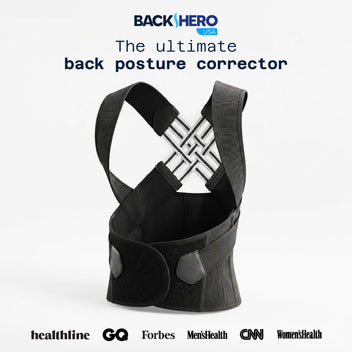
Back Hero USA Posture Corrector for Women & Men designed to heal, relieve upper back pain, and correct poor...
The Best Sitting Position for Kyphosis (Step-by-Step)

When learning what is the best sitting position for kyphosis, it helps to break the positioning down into simple, doable steps that support your spine’s natural curve. Follow this detailed guide to create a posture that reduces pressure while improving comfort.
1. Start With a Neutral Spine
Sit tall and lengthen your spine as if a string is gently pulling the crown of your head upward. Avoid hyperextending or forcefully arching your back; the goal is gentle alignment.
2. Position Your Pelvis Correctly
Sit directly on your sit bones with a slight forward tilt in the pelvis. This automatically encourages the thoracic spine to stay lifted. Keeping the hips slightly higher than the knees (100–110° angle) reduces slouching.
3. Open Your Chest and Relax Your Shoulders
Roll your shoulders up, back, and down. Keep them naturally retracted—not forced back—which ensures the chest stays open and prevents additional upper-back rounding.
4. Support Your Lower Back
Use a small cushion, lumbar roll, or ergonomic chair support. This stabilizes the lower spine and prevents the upper back from collapsing.
5. Keep Feet Flat on the Floor
Both feet should rest firmly on the ground or a footrest. This stabilizes the pelvis, reduces spinal rotation, and keeps your core engaged.
6. Position Your Screen at Eye Level
A screen that is too low causes the neck to bend forward, worsening kyphosis. Raise your monitor or device so your eyes meet the top third of the screen.
7. Maintain Elbows at 90 Degrees
Your arms should form a right angle when typing or writing. This prevents shoulder hunching and upper-back strain.
8. Take Movement Breaks
Even the best posture becomes harmful if held too long. Stand up every 20–30 minutes to stretch, extend your spine, and reset your posture.
By following these steps consistently, you will naturally adopt the best sitting position for kyphosis and prevent your spine from collapsing during daily activities.
Sitting Positions to Avoid With Kyphosis
Understanding what is the best sitting position for kyphosis also involves knowing which positions to avoid. Certain sitting habits exaggerate thoracic rounding, increase muscle strain, and accelerate postural deterioration.
1. Slouching or Collapsing Forward
This is the most common mistake. A collapsed chest pushes the thoracic spine into excessive flexion, worsening kyphotic curvature and neck tension.
2. Leaning Toward the Screen
Leaning forward strains your neck and upper back by pulling your head out of alignment.
3. Sitting on Soft Couches or Beds
Soft surfaces offer little support, causing your hips to sink and your upper back to round further.
4. Crossing Your Legs
Crossed legs tilt the pelvis, disrupting spinal alignment and creating muscle imbalance.
5. Chin-to-Chest Posture
Often seen when looking down at phones or laptops, this position places heavy pressure on the cervical spine.
6. Sitting Too Low
If your chair is too low, your knees rise above your hips, forcing your lower back to round and compressing the thoracic spine.
7. Overly Stiff or Military Posture
Overcorrecting by pulling your shoulders too far back causes tension, making it harder to maintain posture.
Avoiding these positions helps reinforce what is the best sitting position for kyphosis and keeps your spine supported throughout the day.
Lifestyle Tips to Reduce Kyphosis Pain While Sitting

To fully apply what is the best sitting position for kyphosis, you also need lifestyle habits that support your spine throughout the day. These tips reduce muscle fatigue, stiffness, and inflammation caused by prolonged sitting.
1. Follow the 20-Minute Movement Rule
Stand, stretch, or walk briefly every 20–30 minutes. Even short breaks reduce spinal compression.
2. Strengthen Your Upper Back Daily
Exercises like rows, wall angels, and thoracic extensions help counteract rounding and improve long-term posture.
3. Stretch Your Chest Muscles
Tight chest muscles pull your upper back into a kyphotic position. Regular stretching helps rebalance your posture.
4. Use Heat Therapy
A warm compress on the upper back softens stiff muscles and enhances blood flow.
5. Practice Deep Diaphragmatic Breathing
This opens the ribs, improves lung capacity, and encourages a naturally lifted thoracic spine.
6. Maintain Screen Hygiene
Keep devices at eye level and avoid bending forward to check messages. This single habit significantly reduces neck strain.
7. Choose Supportive Chairs
Use ergonomic chairs with lumbar and mid-back support to maintain better alignment with minimal effort.
Integrating these habits helps reinforce what is the best sitting position for kyphosis and reduces daily discomfort.
Why you need to have Back Hero USA Posture Corrector?

The Back Hero USA Posture Corrector is designed to support individuals with kyphosis by gently guiding the spine into healthier alignment. Instead of forcing the body into a rigid position, the Back Hero USA provides subtle correction that helps you build long-term postural awareness.
Key Benefits:
1. Designed for Natural Spinal Alignment : The Posture Corrector follows the natural curvature of the thoracic and upper-back region. Its ergonomic shape reduces forward rounding, keeps the chest more open, and encourages a lifted spine without creating stiffness or discomfort. This makes it particularly helpful for those who struggle with slouching or upper-back collapse.
2. Reduces Daily Pain and Postural Fatigue: By supporting your posture, the device helps relieve common kyphosis-related symptoms—such as neck strain, upper-back tightness, shoulder discomfort, and mid-back fatigue. It prevents the spine from falling into harmful positions during long hours of sitting, studying, or working at a desk.
3. Comfortable for All-Day Wear: Made from lightweight and breathable materials, the Posture Corrector is comfortable enough for extended use. You can wear it under or over clothing without irritation. The adjustable straps ensure a personalized fit that doesn’t dig into the skin or restrict movement.
4. Easy to Integrate Into Daily Activities: You can wear it while working, reading, light walking, or performing everyday tasks. It provides gentle reminders to straighten up, helping your muscles gradually adapt to better alignment. Over time, your posture becomes naturally more upright—even without the device.
5. Complements Your Sitting Posture Routine: When combined with proper sitting mechanics, ergonomic adjustments, and strengthening exercises, the Back Hero USA Posture Corrector becomes a powerful tool for improving posture. It supports healthy habits, reduces strain, and enhances the effectiveness of your overall kyphosis management plan.
Size and Color:
The Back Hero USA Posture Corrector features adjustable straps that comfortably fit sizes S–2XL, making it easy for anyone to achieve the right support. It’s also available in one stylish color: Black.
Conclusion
Finding what is the best sitting position for kyphosis comes down to maintaining a long spine, open chest, elevated hips, and supportive ergonomics. When combined with movement breaks and mindful posture habits, you can significantly reduce pain and prevent further rounding of the upper back.
Tools like the Back Hero USA Posture Corrector can further support proper alignment and make good posture easier to maintain. Consistency—not perfection—is what transforms posture over time. With the right setup and daily habits, you can sit comfortably, protect your spine, and improve your overall quality of life.
Frequently Asked Questions
1. Can sitting properly reduce kyphosis?
Yes, proper sitting posture reduces strain on the thoracic spine and prevents progression.
2. Is kyphosis reversible with posture alone?
Mild postural kyphosis can improve, but structural kyphosis may require long-term management.
3. How long can I sit without worsening kyphosis?
Limit sitting to 20–30 minutes at a time before taking a short break.
4. Should I use a posture corrector?
A well-designed device like the Back Hero can help build awareness and support alignment.
5. What exercises help with kyphosis?
Thoracic extensions, wall angels, rows, and chin tucks are the most effective.

