

What To Expect From Your Back Brace Fitting? In most cases, you can expect a gentle posture assessment, a few simple measurements, and time to try on and adjust the brace until it feels snug, supportive, and breathable. A good fitting should leave you feeling clearer, not more confused or worried.
In this article, Back Hero USA walks you through every step so you know exactly what will happen, what “normal” feels like, and how to get the most from your new support at home. You will also see how the Back Hero Posture Corrector fits into your routine as a lighter, posture focused “brace” and where to find Back Hero Posture Corrector Reviews if you want to see how real users feel about it.
In this article
Before Your Back Brace Fitting: How To Prepare

When you know what to expect from your back brace fitting, the whole experience feels calmer and more in your control. A little preparation makes it easier for your provider to see your natural posture and choose the right size and style.
Wear comfortable, close fitting clothes such as a thin T shirt or tank under a light top. Avoid bulky hoodies, stiff jeans, or thick seams that can interfere with how the brace sits on your body. Bring any previous imaging, notes, or recommendations you have so your fitter understands why you are getting a brace.
Simple checklist before you go
- Wear a thin top that covers your skin where the brace will sit
- Skip heavy perfume or body oils that might stain fabric
- Bring questions written down so you do not forget them
- Plan enough time so you do not feel rushed
Step By Step: What Happens During A Back Brace Fitting

Understanding what to expect from your back brace fitting step by step makes the process feel less intimidating. Most fittings follow a similar flow, even if the exact brace type or clinic is different.
1. Posture and movement assessment
Your fitter or clinician usually starts by looking at how you stand and move. They may ask you to:
- Stand naturally from the side and front
- Bend gently or raise your arms
- Sit in a chair the way you usually do
This gives them a clear picture of where your spine, shoulders, and hips need the most support.
2. Measuring your body
Next comes measuring. They might use a tape measure to check:
- Chest and rib cage circumference
- Waist and hip measurements
- Shoulder width and torso length
These measurements help choose the correct brace size and adjust straps or panels to match your body, not a generic shape.
3. Trying on the brace
You will then try on the brace or posture corrector. At first it may feel strange, but it should not feel painful or impossible to move in.
Expect your fitter to:
- Show you how to put it on and take it off
- Explain where the center, straps, and pads should sit
- Adjust the tightness so it feels “hugged and supported” rather than squeezed
This is the moment to be honest about any rubbing, pinching, or pressure points so they can correct it.
4. Fine tuning fit and comfort
Once the brace is on, there is a fine tuning phase. You may be asked to:
- Sit, stand, and walk a short distance
- Reach for something or use your phone as usual
- Take a few deep breaths
The goal is a balance: enough support that your posture improves, but enough ease that you can breathe and move without feeling trapped.
5. Care, wear schedule, and questions
Before you leave, you should get clear instructions on:
- How long to wear it at first
- How to clean and dry it
- When to tighten or loosen the straps
If you ever plan to use a posture style brace at home, guides like How to Wear a Posture Corrector for Maximum Results will also be helpful to make sure you are not overdoing it or wearing it the wrong way.
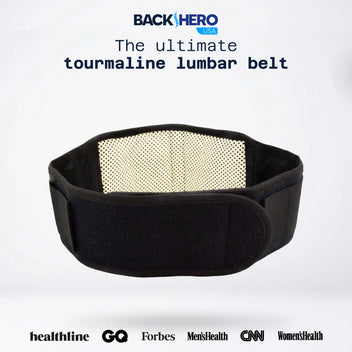
Find relief from lower back pain with the Back Hero USA Tourmaline Lumbar Support Belt. Self-heating & adju...
How Back Hero Fits Into Your Everyday Posture Routine

The Back Hero USA Posture Corrector is a lighter, upper back focused brace designed for posture support, not as a heavy medical scoliosis or fracture brace. It is ideal for people who sit or stand for long periods and want extra help keeping their shoulders open and spine more upright.
Even though you do not “fit” it in a clinic, you still benefit from a mini version of what to expect from your back brace fitting at home: choosing size, adjusting straps, and checking comfort in real positions like desk work or driving.
Key features of the Back Hero USA Posture Corrector
Back Hero USA Posture Corrector is designed to be supportive, adjustable, and discreet enough for daily use.
Core features include:
-
Gentle shoulder guidance
Soft straps help encourage shoulder retraction so you do not round forward into a slouch. -
Ergonomic upper back panel
The design follows the natural shape of the upper back so pressure spreads out instead of digging into one spot. -
Lightweight, breathable fabric
Ventilated material helps reduce heat and sweat, making it comfortable under or over clothing. -
Adjustable straps for a custom fit
Easy to tighten or loosen so it fits a wide range of sizes from S to 2XL. -
Low profile design
Slim enough to sit under a shirt or blouse without looking bulky, which makes it easier to wear consistently. -
Everyday friendly use
Works best in short sessions during sitting, studying, gaming, or computer work to build awareness, not dependence.
If you want to know how it feels for real users, you can later link to Back Hero Posture Corrector Reviews as social proof and extra reassurance.
Getting Used To Your Back Brace After the Fitting
Once you know what to expect from your back brace fitting, the next step is getting used to wearing it in real life. Your body needs a short “break in” period.
Start with a gradual wear schedule
Most people do best when they:
- Start with 20 to 30 minutes at a time
- Check in with how their muscles feel
- Slowly add more time each day if everything feels ok
This approach gives your muscles and skin time to adapt without feeling overwhelmed.
Listen to your body
A back brace or posture corrector should feel like support, not punishment. Pay attention to:
- Any sharp pain, tingling, or numbness
- Areas of skin irritation or strong redness
- Headaches or shortness of breath when wearing it
If something feels wrong, loosen it, take a break, or contact your provider for a recheck.
Simple Habits That Make Your Brace Work Better
A brace works best when it is part of a bigger posture plan, not the only tool.
Helpful habits include:
- Standing up and moving every 30 to 60 minutes
- Stretching your chest, hip flexors, and hamstrings
- Strengthening your upper back and core with simple exercises
- Using a supportive chair and good desk setup
Back Hero can remind your body how “good posture” feels, while your muscles and habits make that posture more natural over time.
Conclusion
Now you know what to expect from your back brace fitting: a clear assessment, thoughtful measurements, careful adjustments, and practical instructions you can actually follow at home. A good fitting should leave you feeling supported, informed, and confident about your next steps.
For lighter, posture focused support in daily life, the Back Hero USA Posture Corrector can be a valuable part of your routine, especially if you sit or stand for long periods. When you pair a well fitted brace or posture corrector with smart movement habits, you give your spine, muscles, and nervous system a much better environment to thrive in.
Frequently Asked Questions
1. How long does a back brace fitting usually take?
Most fittings take between 30 and 60 minutes, depending on how complex your brace is and how many adjustments you need.
2. Should a back brace feel very tight after the fitting?
It should feel snug and supportive, not painfully tight. You should be able to breathe, move, and sit without sharp pain or pinching.
3. What should I wear to a back brace fitting?
Wear a thin, close fitting top that covers the area where the brace will sit. Avoid thick seams, bulky hoodies, or stiff jackets.
4. Will a posture corrector like Back Hero replace my medical brace?
No. Back Hero supports posture awareness and comfort, but it does not replace a medically prescribed brace. Always follow your doctor or specialist’s recommendations.
5. How soon will I notice a difference after my fitting?
Some people feel more supported and upright right away. Deeper changes in muscle balance and posture usually come with consistent wear, movement, and good daily habits over weeks and months.

