

When a stiff neck is serious isn’t always obvious. Most stiff necks come from muscle strain, poor posture, or sleeping in a weird position and improve in a few days. But sometimes, neck stiffness is a warning sign of something more serious, especially when it shows up with other symptoms like fever, severe headache, or nerve changes in your arms or legs.
In this article, you’ll learn when a stiff neck is serious, which “red flag” symptoms mean you should seek urgent care, and when it’s more likely to be a routine strain. You’ll also see how Back Hero USA tools like a posture corrector, lumbar support, and neck pillow can support healthier alignment and help you feel more comfortable between doctor visits — not as medical treatment, but as spine-friendly support in daily life.
In this article
What Usually Causes a Stiff Neck?

Most of the time, a stiff neck is related to muscles and joints, not a dangerous disease. Common everyday causes include:
- Sleeping in an awkward position
- Hunching over a laptop or phone (tech neck)
- Long hours at a desk with poor ergonomics
- Stress and muscle tension in the neck and shoulders
- Mild sports strains or minor injuries
These stiff necks are usually:
- On one side or across the back of the neck
- Worse with certain movements
- Getting better over a few days with rest, gentle movement, and simple measures like heat, ice, or over-the-counter pain relief (if safe for you)
If that sounds like you and things are improving, it’s less likely to be serious. But there are important exceptions.
When a Stiff Neck Is Serious: Key Warning Signs

The phrase “when a stiff neck is serious” usually points to two big questions:
- Is there a dangerous underlying cause (like meningitis, serious infection, or spinal cord/nerve problem)?
- Is the pain or stiffness severe, sudden, or getting worse, not better?
Here are red-flag combinations that mean you should seek emergency or urgent medical care.
Stiff neck + fever + severe headache
A stiff neck combined with:
- High fever
- Severe headache that feels very different from your usual headaches
- Confusion, difficulty thinking, or acting “not like yourself”
- Sensitivity to light
- Vomiting or a rash
…can be a sign of meningitis, a serious infection of the membranes around the brain and spinal cord that needs immediate treatment in the ER.
Stiff neck after trauma
Neck pain or stiffness after any significant trauma, such as:
- Car accident
- Diving accident
- Fall from height or impact in sports
…can signal fracture, ligament damage, or other structural injuries. Do not try to “crack” or force movement. Seek urgent medical evaluation, especially if you also have:
- Numbness or tingling in arms or legs
- Weakness or trouble walking
- Loss of bladder or bowel control
These can indicate spinal cord involvement and are medical emergencies.
Stiff neck with neurological symptoms
Call your doctor or seek urgent care if your stiff neck comes with:
- Weakness in an arm or leg
- Numbness, tingling, or burning pain radiating into shoulders or arms
- Difficulty walking, clumsiness, or frequent falls
- Problems with coordination, balance, or fine motor control
These symptoms can point to nerve compression, spinal cord issues, or vascular problems in the neck that require prompt assessment.
Severe, unusual, or sudden neck pain
A stiff neck is more serious if:
- Pain is sudden and extremely severe
- Pain feels very different from your usual muscle soreness
- Pain keeps getting worse instead of slowly improving
- Pain radiates strongly down an arm or is accompanied by severe headache or chest pain
Severe or unusual pain can sometimes signal issues like cervical artery dissection, serious disc problems, or other conditions your doctor needs to rule out quickly.
Stiff neck that just doesn’t improve
It’s worth seeing a doctor (even if not urgently) if:
- Your stiff neck hasn’t improved at all after 1–2 weeks
- Over-the-counter pain relievers and basic home care haven’t helped
- The stiffness keeps returning and limiting daily life
- You’re losing weight, feel generally unwell, or have unexplained fever with neck pain
Chronic or worsening symptoms deserve a proper assessment instead of endless self-treatment.
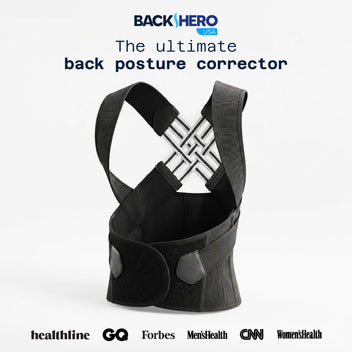
Back Hero USA Posture Corrector for Women & Men designed to heal, relieve upper back pain, and correct poor...
When a Stiff Neck Is Less Likely to Be Serious
On the other hand, a stiff neck is less likely to be serious when:
- It started after a long day at the desk or phone, or after sleeping awkwardly
- It’s mainly muscle tightness and reduced range of motion
- Gentle movement, heat/ice, and better posture make it feel better
- It improves day by day over a few days to a week
You should still listen to your body and see a provider if you’re concerned, but these patterns are more often posture, tension, or minor strain than a serious illness.
Everyday Posture & Support to Help Prevent a Stiff Neck

While posture tools can’t treat emergencies or serious causes, supporting your neck and spine in daily life can reduce how often you get “ordinary” stiff necks from poor posture.
Posture during the day
Simple habits to protect your neck:
- Bring your screen up to eye level instead of dropping your head down
- Keep ears roughly over shoulders (not jutting your head forward)
- Take short movement breaks every 30–60 minutes
- Relax and gently roll your shoulders instead of letting them creep toward your ears
A posture aid can help some people maintain good alignment:
-
Back Hero USA Posture Corrector
The Back Hero USA Posture Corrector gently encourages your shoulders back and opens your chest, assisting you in avoiding the rounded, forward-head posture that can strain your neck all day. It’s best used in short, consistent sessions as a posture reminder — not as a medical treatment or all-day brace.
Sitting support for neck-friendly alignment
Your neck sits on top of your spine, so if your lower back and mid-back are collapsing, your neck usually compensates.
Two Back Hero USA tools that can help:

-
Neck Stretcher
The Neck Stretcher is designed to cradle your cervical spine and provide light traction while you lie down. A few minutes of use can help decompress tight joints at the base of your skull, reduce built up tension from desk work, and make it easier for your neck to return to a more natural, comfortable alignment. -
Butterfly Memory Foam Neck Pillow
At night, the Butterfly Memory Foam Neck Pillow is designed to cradle your neck’s natural curve and keep your head from tilting too far up or down. That can reduce waking up with stiffness from an awkward sleeping angle.
Again, these products do not replace medical care. They simply help you create a more neck-friendly environment around the clock.
Conclusion: Listen to Your Neck, Trust the Red Flags
Most stiff necks are annoying rather than dangerous, and they respond well to better posture, gentle movement, and simple self-care. But when a stiff neck is serious — especially if it comes with fever, severe headache, confusion, trauma, or neurological symptoms — it’s important to act quickly and get professional help.
While your doctor handles diagnosis and treatment, you can support your neck daily with smarter habits and tools like the Back Hero USA Posture Corrector, Neck Stretcher, and Butterfly Memory Foam Neck Pillow. They won’t replace medical care, but they can make it easier to sit, sleep, and move in ways that are kinder to your spine.
FAQs: When a Stiff Neck Is Serious
1. How long should a stiff neck last before I worry?
A simple stiff neck from muscle strain or posture often improves within a few days and continues to get better across a week. If it’s not improving at all after 1–2 weeks — or is getting worse — see a doctor to rule out other causes.
2. Does a stiff neck always mean meningitis?
No. Most stiff necks are not meningitis. But a stiff neck combined with high fever, severe headache, confusion, or a rash is a medical emergency and needs immediate care. If you suspect meningitis, go to the ER or call emergency services.
3. Is it okay to “crack” my neck when it’s stiff?
Forcefully twisting or “cracking” your own neck isn’t recommended, especially if you have intense pain, recent trauma, or any neurological symptoms. In rare cases, aggressive neck manipulation has been linked to vascular injuries. It’s safer to use gentle movement, heat/ice, posture adjustments, and to see a professional if needed.
4. Can poor posture really cause a stiff neck?
Yes. Hours of looking down at a phone or hunching over a laptop place extra load on the muscles and joints in your neck and upper back, which can lead to stiffness and pain. Improving ergonomics and using supportive tools can help reduce these “everyday” stiff neck episodes.
5. Should I rest completely if my neck is stiff?
Short-term rest is fine, but total immobility for too long can make stiffness worse. If your doctor hasn’t told you otherwise, gentle range-of-motion movements and light activity — within a comfortable range — often help. Always follow medical advice if you’ve had an injury, infection, or serious diagnosis.

