

When Should I Worry About Lower Right Back Pain? You should start worrying when the pain is severe, persistent, accompanied by fever, abdominal symptoms, numbness, or affects your ability to move normally. While many cases are mild and related to muscle strain, some symptoms signal deeper issues that require urgent attention. Understanding these warning signs helps you act early and avoid complications.
This Back Hero USA guide breaks down the common causes, red flags, serious conditions, and when you should contact a doctor—so you can make informed decisions about your health.
In this article
Common Causes of Lower Right Back Pain

Lower right back pain often stems from everyday habits or minor musculoskeletal issues that are not serious. Understanding these helps you recognize "when should I worry about lower right back pain?" versus when it’s likely harmless.
1. Muscle Strain
Lifting heavy objects, sudden movements, or long hours of sitting can overstretch the muscles in the lower back. This often leads to sharp or dull pain that typically improves within a few days.
2. Poor Posture
Slouching at a desk, leaning to one side, or looking down at a phone places uneven stress on the lower spine, which can cause localized discomfort on the right side.
3. Joint or Soft Tissue Irritation
Mild inflammation around the spinal joints, tight hip flexors, or sleeping in an awkward position can all create temporary right-sided pain.
4. Digestive-Related Discomfort
Gas, bloating, or constipation may refer pain into the lower back due to pressure in the abdominal area.
Most benign causes respond well to rest, gentle stretching, heat therapy, and posture correction.
When Should I Worry About Lower Right Back Pain?
Lower right back pain is common, and most cases are harmless. However, certain warning signs indicate that the pain may be linked to a more serious condition. Paying attention to the intensity, duration, and associated symptoms will help you know when to seek medical care.
1. Severe, Persistent, or Worsening Pain
You should be concerned when the pain becomes intense, constant, or progressively worse despite rest, stretching, or basic home treatment. If the pain prevents you from performing normal activities—such as walking, bending, or standing for long periods—it may involve more than simple muscle strain.
Pain that wakes you at night, or discomfort that does not improve within 48–72 hours, should also prompt further evaluation.
2. Neurological Symptoms
- Numbness or tingling in one or both legs
- Weakness in the legs or feet
- Pain that travels down the leg (sciatica)
These symptoms may indicate a herniated disc, pinched nerve, or spinal compression—conditions that require prompt medical attention to prevent long-term damage.
3. Systemic or Whole-Body Symptoms
If your pain is accompanied by signs of illness, it may suggest infection, inflammation, or organ involvement. Concerning symptoms include:
- Fever, chills, or night sweats
- Nausea or vomiting
- Significant fatigue
- Sharp abdominal or groin pain
Pain that begins in the abdomen and radiates to the lower right back may point to urgent issues such as appendicitis, kidney infection, or kidney stones—all of which require medical evaluation.
4. Emergency Symptoms
Certain symptoms signal a medical emergency:
- Loss of bladder or bowel control (possible cauda equina syndrome)
- Blood in the urine
- Sudden severe pain after a fall, accident, or trauma
These should never be ignored and require immediate medical help.
Summary: When Should I Worry About Lower Right Back Pain
Seek medical care if your lower right back pain is:
- Severe, worsening, or long-lasting
- Paired with fever, nausea, or abdominal pain
- Associated with leg weakness or numbness
- Linked to urinary changes or blood in urine
- Accompanied by bowel/bladder issues
- Triggered by trauma
Recognizing these red flags ensures you get timely treatment and avoid serious complications.
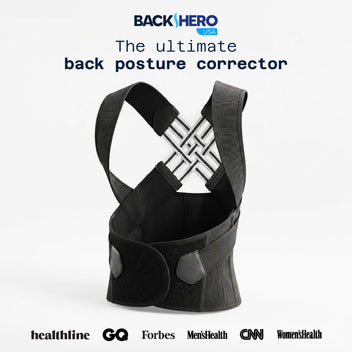
Back Hero USA Posture Corrector for Women & Men designed to heal, relieve upper back pain, and correct poor...
Serious Causes That Require More Attention

Identifying serious causes is an important part of understanding when you should worry about lower right back pain. While many episodes are harmless, certain conditions demand prompt medical evaluation.
1. Kidney-Related Conditions
Kidney problems are among the most urgent causes.
- Kidney stones often produce sharp, stabbing pain that travels from the lower back toward the groin. This pain may come in waves and can be accompanied by nausea, vomiting, or blood in the urine.
- Kidney infections (pyelonephritis) may cause deep, aching flank pain along with fever, chills, fatigue, and painful urination.
2. Appendicitis
Although typically felt in the abdomen, appendicitis can radiate to the lower right back, especially as inflammation worsens. Key symptoms include fever, loss of appetite, nausea, and escalating abdominal pain—often starting near the belly button and moving to the lower right side.
3. Spinal Conditions
Structural problems such as herniated discs, spinal stenosis, or spondylolisthesis can compress nerves, causing persistent lower right back pain along with numbness, tingling, or weakness in the legs.
4. Gynecological Conditions (Women)
Issues such as ovarian cysts, endometriosis, or pelvic inflammatory disease may also produce right-sided lower back discomfort, often paired with pelvic pain or menstrual changes.
If you recognize these red-flag symptoms — e.g. pain that radiates, comes with fever, urinary issues, neurological signs, or other systemic symptoms — that’s the time to ask: “When should I worry about lower right back pain?” And if any of these symptoms occur, seek medical attention promptly.
When to See a Doctor Immediately

Recognizing when you should worry about lower right back pain is crucial for deciding when immediate medical attention is needed. While mild discomfort can often be managed at home, certain symptoms signal a potentially serious condition and should never be ignored.
Seek urgent medical care if you experience:
- Severe, unrelenting pain that doesn’t improve with rest or over-the-counter treatments
- Sudden, sharp pain that radiates to your abdomen, groin, or lower stomach
- Fever, chills, nausea, or vomiting, which may indicate infection or inflammation
- Blood in your urine or painful urination, common signs of kidney stones or infection
- Numbness, tingling, or weakness in one or both legs, suggesting nerve compression
- Loss of bladder or bowel control, a possible medical emergency known as cauda equina syndrome
- Pain following a fall, car accident, or injury, which may signal fractures or internal damage
- Visible swelling, redness, or warmth along the spine
These symptoms may be linked to appendicitis, kidney stones, kidney infection, or spinal nerve compression. If you’re asking “When should I worry about lower right back pain?”, the answer is when the pain worsens quickly or limits your movement. Seek medical care immediately to prevent serious complications.
Prevention Tips
Understanding when you should worry about lower right back pain is important, but preventing the pain from happening in the first place is even more valuable. Adopting simple lifestyle habits can greatly reduce your risk of recurring discomfort.
1. Maintain Proper Posture
Keep your spine in a neutral position when sitting or standing. Sit with your back supported, shoulders relaxed, and feet flat on the floor. Avoid slouching, leaning to one side, or staying in one position for too long.
2. Strengthen Your Core
A strong core provides essential support for your lower spine. Incorporate exercises such as planks, bridges, bird dogs, and gentle back extensions to build stability and reduce strain on your lower back.
3. Stretch Regularly
Frequent mobility sessions help keep muscles flexible. Focus on stretching your hip flexors, hamstrings, glutes, and lower back to reduce tension that can pull your spine out of alignment.
4. Maintain a Healthy Weight & Hydration
Keeping your weight in a healthy range reduces pressure on the lumbar spine. Staying hydrated also supports kidney function, lowering the risk of kidney-related back pain.
5. Lift Safely
When lifting heavy items, bend at the knees, engage your core, and keep objects close to your body to avoid unnecessary strain.
6. Support Your Spine During Sleep
Choose a supportive mattress and pillows that keep your spine aligned throughout the night.
By practicing these habits consistently, you can lower your risk of discomfort and avoid ever needing to ask, “When should I worry about lower right back pain?”
Ultimate Lower Right Back Pain Relief and Posture Corrector

The Back Hero USA Posture Corrector is specially designed to support individuals experiencing back pain caused by poor posture, long sitting hours, or muscle strain. It helps realign your spine, reduce tension, and promote healthier posture habits throughout the day.
How It Helps With Back Pain
- Spine Alignment: Gently pulls your shoulders back to restore a neutral spine position.
- Muscle Relief: Reduces pressure on the lower and upper back muscles, easing stiffness and fatigue.
- Better Posture Awareness: Encourages proper posture during work, driving, or daily activities.
Who Should Use It
- Office workers
- Students
- Drivers
- Fitness beginners
- Anyone dealing with chronic or occasional back discomfort
Why Choose Back Hero USA Posture Corrector
1. Built for Everyday Durability
Back Hero USA Posture Corrector is made with high-quality, long-lasting materials that maintain their shape and support even with daily use.
2. Ergonomic, Comfortable Design
Its posture-aligning structure fits naturally to your body, helping you sit, stand, and move with better form—without feeling restricted.
3. Proven Support for Back Pain Relief
Posture Corrector gently corrects posture, reduces muscle overload, and minimizes pressure on the spine. This helps ease both general back tension and specific issues like lower right back discomfort.
4. A Safe, Non-Invasive Solution
No drugs, no complicated methods—Back Hero offers a simple, practical way to support spine health throughout your day.
5. Ideal If You Often Wonder About Lower Right Back Pain
If you frequently ask yourself, “When Should I Worry About Lower Right Back Pain?”, Back Hero helps you manage early symptoms before they progress. By improving alignment and reducing strain, it provides consistent support where your lower back needs it most.
Size and Color:
The Back Hero USA Posture Corrector features adjustable straps that comfortably fit sizes S–2XL, making it easy for anyone to achieve the right support. It’s also available in one stylish color: Black
Conclusion
When should I worry about lower right back pain? The main warning signs include severe, persistent pain, neurological symptoms, fever, or abdominal issues. While most cases come from simple muscle strain, it’s important to recognize red-flag symptoms early and take action when necessary.
With proper care, posture support, and the right Back Hero USA tools, you can maintain long-term spinal health and reduce your risk of serious complications. Always listen to your body and seek professional help if something doesn’t feel right.
Frequently Asked Questions
1. Is lower right back pain usually serious?
Often it’s not, but persistent or severe symptoms require evaluation.
2. Can kidney problems cause lower right back pain?
Yes—kidney stones and infections commonly cause sharp or deep flank pain.
3. How long should I wait before seeing a doctor?
If pain lasts more than 72 hours or includes red-flag symptoms, seek care.
4. Can poor posture cause lower right back pain?
Yes, extended sitting and slouching can strain muscles on one side.
5. Should I exercise when my lower right back hurts?
Light stretching is fine, but avoid painful movements.

