

Why do females get scoliosis more often? In many cases, girls are more likely than boys to have spinal curves that progress during rapid growth. Hormones, earlier growth spurts, connective tissue differences, and genetics all play a role in why female curves are more likely to worsen and require monitoring, bracing, or other treatment.
In this article, Back Hero USA explains why scoliosis affects females differently, which factors really matter, and what daily habits can support a healthier spine. You will also see how gentle tools like the Back Hero Posture Corrector and Lumbar Support Cushion can support better alignment and comfort at home, and where to read Back Hero Posture Corrector Reviews if you are curious about real user experiences.
In this article
What Is Scoliosis and Who It Affects

Scoliosis is a sideways curve of the spine that looks like an “S” or “C” instead of a straight line. The curve can be mild, moderate, or more severe. Many people have small curves that never cause big problems, while others have curves that slowly change and need more attention.
- Adolescent idiopathic scoliosis – shows up in late childhood or the teenage years without a clear cause
- Degenerative scoliosis – appears later in life as the spine and discs wear down
- Congenital scoliosis – present from birth due to vertebrae that did not form typically
When people ask why do females get scoliosis more often, they usually mean adolescent idiopathic scoliosis. In this group, girls are more likely than boys to have curves that progress and need bracing or surgery.
Why Do Females Get Scoliosis More Often? Key Reasons

Scoliosis does not happen only because of “bad posture.” It is a mix of growth, genetics, hormones, and how the spine responds over time. When we look at why do females get scoliosis more often, we are mostly looking at why female curves are more likely to progress.
Growth spurts and timing
Girls often hit their major growth spurt earlier than boys. When the body grows quickly but the spine is already slightly curved, that rapid growth can give the curve a chance to worsen.
- Fast growth with an existing curve increases progression risk
- Earlier growth spurts mean a longer window where curves can change
- Growth plates in the spine stay active during these years
This is one reason regular checks during the pre-teen and teen years are so important.
Hormones and connective tissue
Hormones that change during puberty can affect ligaments, muscles, and bone. Some research suggests that female hormones may influence:
- How flexible ligaments and soft tissues are
- How bones remodel during growth
- Pain sensitivity and body awareness
Looser or more flexible connective tissue can make it easier for a curve to form or progress if other risk factors are present.
Genetics and family patterns
Scoliosis often runs in families. If a mother, aunt, or sister has scoliosis, the chance that a girl in the family will develop a curve is higher. This does not mean scoliosis is guaranteed, but:
- Females may carry certain genes that increase curve risk
- Multiple small genetic factors can stack together
- Environment and lifestyle still influence how those genes show up
Genetics helps explain why some girls develop curves even with good posture and strong muscles.
Curve progression vs curve detection
Another part of why do females get scoliosis more often is how curves behave and how they are noticed.
- Boys and girls may both develop small curves
- Female curves are more likely to progress to larger angles
- Parents and doctors may spot visible curves sooner in girls
This means girls often show up more in scoliosis statistics, especially in clinics and brace programs, because their curves cross the treatment thresholds more often.
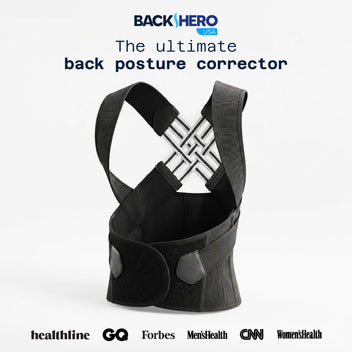
Back Hero USA Posture Corrector for Women & Men designed to heal, relieve upper back pain, and correct poor...
Everyday Impact and Posture Challenges for Females
Even when scoliosis is mild, daily life can feel different for girls and women.
Physical and emotional impact

- One shoulder or hip may look higher
- Clothes may hang unevenly
- Back, neck, or shoulder muscles may feel tired or achy
- Some people feel self-conscious about the shape of their back
These experiences are common and valid. Understanding scoliosis and posture can help you feel more in control and less alone.
Posture habits that can make things worse
Scoliosis is not caused by posture alone, but certain habits can increase discomfort:
- Long hours of slouching over phones or laptops
- Carrying heavy bags on one shoulder
- Sitting without back support for long periods
Learning How Do You Fix Bad Posture? can be a helpful next step, especially if you want simple posture changes that support comfort without trying to “force” a crooked spine perfectly straight.
Gentle Ways to Support Your Spine at Home
Treatment for scoliosis should always be guided by a medical professional. At the same time, small daily changes and gentle tools can support comfort and posture awareness.
Back Hero USA Posture Corrector for upper body support

Back Hero USA Posture Corrector does not claim to fix scoliosis, but it can make daily posture more comfortable. Instead of forcing the spine straight, it gives gentle guidance so the shoulders do not collapse forward and the upper back does not stay in a rounded position all day. For many females with mild curves or posture related tension, this means less neck and upper back fatigue during school, work, or screen time.
Key features of the Back Hero USA Posture Corrector
-
Gentle shoulder retraction
Light tension reminds your shoulders to open instead of slouching, without feeling stiff or locked in place. -
Ergonomic upper back design
The harness follows the shape of the upper back so pressure spreads evenly instead of digging into one spot. -
Lightweight, breathable fabric
Soft, ventilated material helps reduce heat and sweat so it is more comfortable to wear under or over clothing. -
Adjustable straps for a custom fit
Easy to tighten or loosen so it fits different body shapes and stages of growth, from teens to adults. -
Low profile under clothes
Slim construction allows many users to wear it under a T shirt, blouse, or uniform without feeling bulky. -
Everyday friendly use
Best used in short sessions during sitting, studying, working on a laptop, or light activities to build awareness, not dependency.
Used in this way, Back Hero supports posture awareness and muscle balance while medical professionals monitor the scoliosis curve itself. If you want to know what other users think, you can look for Back Hero Posture Corrector Reviews once that page is live and linked on your site.
Lumbar Support Cushion for sitting alignment

A Lumbar Support Cushion is a simple way to help your lower back while you sit. It can:
- Support the natural curve of your lower spine
- Reduce slouching when you sit at a desk or in the car
- Make long sitting sessions more comfortable
This does not change the scoliosis curve itself, but it helps your back muscles work less hard against gravity all day.
Daily movement, strength, and stretch
Gentle movement is one of the best long term gifts you can give your spine:
- Light core and back strengthening exercises
- Stretching tight chest and hip muscles
- Walking, swimming, or low impact activities
A scoliosis aware physical therapist or chiropractor can build a plan that fits your curve, age, and goals.
Conclusion: Understanding Risk, Building Support
So, why do females get scoliosis more often? It is usually not one single cause. Faster growth spurts, hormonal influences, genetics, and a higher chance of curve progression all play a role. The result is that girls and women show up more often in scoliosis statistics and treatment programs, especially during the teen years.
What matters most is not blame, but support. With regular checkups, smart posture habits, and gentle tools like the Back Hero USA Posture Corrector and Lumbar Support Cushion, many females can stay active, comfortable, and confident while they monitor or manage their curves.
Frequently Asked Questions
1. Are females really more likely to get scoliosis than males?
Females are more likely to have scoliosis curves that progress to the point of needing treatment, especially during adolescence. Many boys have small curves too, but girls show up more in bracing and surgery statistics.
2. Is scoliosis always caused by bad posture?
No. Scoliosis, especially adolescent idiopathic scoliosis, is not simply a posture problem. Posture can influence pain and comfort, but curves usually involve genetics, growth, and how the spine develops over time.
3. Can exercise alone fix scoliosis in females?
Exercise can support strength, flexibility, and comfort, and sometimes helps slow progression, but it usually does not “erase” a structural curve on its own. It works best as part of a complete plan guided by a doctor or therapist.
4. Does wearing a posture corrector fix scoliosis?
A posture corrector like Back Hero can support better posture and reduce muscle strain, but it does not replace medical treatment or bracing. It is a tool for comfort and awareness, not a cure for scoliosis.
5. What can females with scoliosis do every day to help their spine?
They can stay active, avoid long periods of slouching, use supportive seating, follow any exercises given by their provider, and listen to their body’s signals. Small daily habits add up and help protect comfort and function over time.

