

Why are women more prone to kyphosis? The answer lies in a combination of biological, hormonal, and lifestyle factors that make women more vulnerable to spinal curvature over time. In this guide, Back Hero USA explores the underlying reasons behind this tendency, the health risks associated with kyphosis, and practical prevention strategies to maintain a strong, healthy posture throughout life.
In this article
What Is Kyphosis?
Kyphosis is a spinal condition characterized by an excessive forward curve in the upper back, giving a rounded or hunched appearance. It commonly develops in the thoracic region and can vary from mild postural changes to severe deformities. Causes include poor posture, osteoporosis, vertebral fractures, or degenerative spine diseases.
While mild kyphosis may only cause stiffness, more advanced cases can lead to chronic pain, mobility issues, and respiratory difficulty. Recognizing and addressing the early signs of kyphosis is key to maintaining spinal health and understanding why women are more prone to kyphosis.
Why Women Are More Prone to Kyphosis
Women face a higher risk of kyphosis due to both physiological and lifestyle factors. Hormonal changes, bone density loss, and posture habits can contribute to spinal curvature, particularly after menopause. Knowing why women are more prone to kyphosis helps in early prevention and intervention.
Primary Causes in Women
Osteoporosis
Osteoporosis, which weakens bones due to reduced bone density, is a leading cause of kyphosis in women. After menopause, estrogen levels drop, accelerating bone loss and increasing fracture risk. Understanding why women are more prone to kyphosis highlights the importance of bone health.
Weakened vertebrae can compress over time, causing the spine to curve forward — known as osteoporotic kyphosis. Regular bone density screening, calcium and vitamin D intake, and weight-bearing exercises can help maintain bone strength and prevent spinal deformities.
Aging
As women age, natural wear and tear on the spinal discs and vertebrae occurs. Muscle strength declines, ligaments lose elasticity, and postural control weakens. These changes, combined with bone thinning, make older women more susceptible to developing a rounded upper back, explaining why women are more prone to kyphosis.
Maintaining an active lifestyle with regular strength training and stretching helps slow down these age-related spinal changes.
Vertebral Fractures
Compression fractures in the thoracic vertebrae are common among women with osteoporosis. Even minor falls or heavy lifting can cause microfractures that lead to spinal collapse over time. This is one of the key reasons why women are more prone to kyphosis.
Multiple untreated fractures can progressively alter spinal structure, deepening the curve and worsening posture. Early diagnosis and medical management are crucial to preventing these fractures from leading to permanent deformity.
Other Contributing Factors
Poor Posture
Chronic slouching while sitting or standing contributes to postural kyphosis. Women who spend long hours working at desks, using smartphones, or doing household tasks often develop muscle imbalances that pull the spine forward. Poor posture is a major explanation for why women are more prone to kyphosis.
Large Breast Size
Women with larger breasts may experience increased strain on the thoracic spine, shoulders, and neck. This added weight naturally pulls the body forward, promoting a rounded posture and explaining why women are more prone to kyphosis.
Without proper posture awareness or supportive bras, this strain can lead to chronic discomfort and worsening kyphosis over time.
Sedentary Lifestyle
Lack of physical activity leads to weak back and core muscles, poor posture, and reduced spinal support. Women with desk-bound jobs or minimal exercise routines are more likely to experience stiffness, muscle fatigue, and curvature progression, another reason why women are more prone to kyphosis.
Degenerative Changes
Degenerative disc disease and arthritis are more common in older women, leading to reduced disc height and spinal flexibility. These conditions alter the spine’s structure, increasing the curvature in the upper back, demonstrating once again why women are more prone to kyphosis.
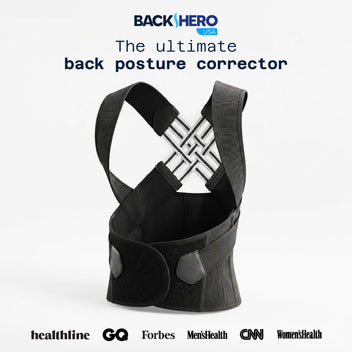
Back Hero USA Posture Corrector for Women & Men designed to heal, relieve upper back pain, and correct poor...
Health Risks Associated with Kyphosis in Women
Kyphosis in women can lead to a range of complications that affect physical comfort, organ function, and overall quality of life. Early awareness and management are key to preventing long-term issues. Recognizing why women are more prone to kyphosis is essential to minimizing these risks.
Chronic Pain and Muscle Fatigue
The forward curvature places excessive stress on the neck, shoulders, and upper back muscles. This leads to persistent pain, stiffness, and fatigue, especially after prolonged standing or sitting.
Reduced Lung and Heart Function
Severe kyphosis can compress the chest cavity, limiting lung expansion and oxygen intake. Over time, this may strain the heart and contribute to shortness of breath or reduced endurance.
Digestive Problems
The forward bending of the spine can press against abdominal organs, leading to bloating, acid reflux, or reduced digestive efficiency.
Balance and Mobility Issues
Kyphosis shifts the body’s center of gravity forward, increasing the risk of falls and mobility challenges in older women.
Emotional and Psychological Impact
A visible hunch or rounded back can affect self-esteem and confidence. Many women with kyphosis report body image concerns or social anxiety related to their posture.
How to Prevent Kyphosis in Women
Preventing kyphosis starts with awareness and consistent care for spinal health. Understanding why women are more prone to kyphosis helps in choosing the right strategies:
Maintain Strong Bones through Nutrition
Bone health is a critical factor in preventing kyphosis, especially for women at risk of osteoporosis. Ensure your diet includes adequate calcium, vitamin D, and magnesium to support bone density.
Incorporating foods like dairy, leafy greens, nuts, and fish can strengthen your skeletal structure. If dietary intake is insufficient, consult a healthcare professional about supplementation to maintain bone strength and prevent vertebral fractures.
Practice Daily Posture Awareness
Conscious posture correction throughout the day helps minimize strain on the spine. Keep your shoulders relaxed, chin slightly tucked, and back straight whether sitting, standing, or walking.
Avoid slouching over electronic devices—a major cause of “text neck” and upper back rounding in women. Setting posture reminders or using ergonomic chairs can reinforce healthy alignment habits.
Engage in Strengthening and Stretching Exercises
Strong back, shoulder, and core muscles are essential for spinal support. Exercises like rows, planks, and reverse flys help build stability, while yoga poses such as cat-cow and cobra stretch the spine and counteract forward curvature. Regular stretching also reduces muscle stiffness and improves flexibility, helping maintain proper alignment over time.
Use Ergonomic Support Tools
Using supportive ergonomic products can greatly enhance posture, reduce spinal strain, and help prevent kyphosis in women. When combined with regular exercises and posture awareness, these tools provide both comfort and alignment support throughout daily activities, whether sitting, working, or sleeping.
Back Hero USA Posture Corrector

Ergonomic aids can make a major difference in posture correction and spinal protection. Back Hero USA Posture Corrector is designed to provide gentle yet effective support, helping retrain your muscles and spine to maintain a natural, upright alignment.
Its ergonomic design ensures comfort during extended wear, making it ideal for office work, home activities, or light exercise. By combining this posture corrector with regular stretching, strengthening exercises, and supportive seating, women can significantly reduce the risk of kyphosis, relieve tension, and promote better spinal health over time.
Key Features:
- Ergonomic Design: Supports upper back and shoulder alignment to reduce slouching.
- Adjustable Straps: Customizable fit for different body types.
- Lightweight & Breathable: Comfortable for all-day use without restricting movement.
- Discreet Wear: Can be worn under clothing for seamless posture support.
- Muscle Training Support: Helps retrain muscles for long-term posture correction.
- Durable Build: High-quality materials ensure lasting performance.
- Available Sizes & Colors: S–2XL, in Black color
See more:
Can a Posture Corrector Fix Kyphosis?
How to Wear a Posture Corrector for Maximum Results
How Often Should You Wear a Posture Corrector?
Butterfly Memory Foam Neck Pillow

Back Hero USA Butterfly Memory Foam Neck Pillow provides targeted support for the cervical spine during sleep or rest. Its memory foam adapts to the natural curves of the neck, reducing strain and promoting proper alignment. Ideal for side or back sleepers, it helps prevent stiffness and discomfort that contribute to poor posture over time.
Key Features:
- Contour Support: Adapts to the natural neck curve for proper alignment.
- Pressure Relief: Reduces neck tension and stiffness.
- Sleep-Friendly: Promotes better sleep posture.
- Portable & Lightweight: Easy to carry for travel or home use.
Pressure Relief Seat Cushion
Sitting for long periods can cause slouching and strain on the lower back. Back Hero USA Pressure Relief Seat Cushion redistributes weight evenly, reducing pressure on the tailbone and hips while encouraging proper spinal alignment.
Key Features:
- Ergonomic Design: Supports natural spinal curve while sitting.
- Pressure Distribution: Reduces lower back and hip strain.
- Portable: Use on office chairs, car seats, or at home.
- Comfortable: Soft yet supportive for extended sitting sessions.
Lumbar Support Cushion
Designed to support the natural curve of the lower spine, Back Hero USA Lumbar Support Cushion helps maintain upright posture while sitting. By preventing slouching and relieving tension in the lower back muscles, it complements other ergonomic products to provide full spine support.
Key Features:
- Lumbar Support: Maintains lower spine curvature to reduce slouching.
- Muscle Relief: Relieves lower back fatigue.
- Adjustable Fit: Compatible with most chairs.
- Lightweight & Comfortable: Easy to use daily.
Stay Active and Avoid Prolonged Sitting
Long hours of sitting weaken postural muscles and increase spinal compression. Take short breaks every 30–45 minutes to stand, stretch, or walk. Activities like swimming, Pilates, and brisk walking improve circulation, muscle tone, and flexibility—all vital for a healthy spine.
Monitor Bone Health Regularly
Women over 40 or those with a family history of osteoporosis should get regular bone density scans. Early detection of bone loss enables timely treatment and reduces the risk of vertebral fractures leading to kyphosis.
Practice Supportive Sleep Habits
A supportive mattress and proper pillow alignment help maintain spinal curvature overnight. Sleeping on your back with a small pillow under your knees, or on your side with a pillow between your legs, keeps your spine neutral and prevents rounding of the upper back.
By implementing these preventive measures, women can protect their spinal structure, reduce pain, and maintain posture as they age.
Conclusion
Women are more prone to kyphosis due to bone density loss, hormonal changes, and postural strain. With awareness, exercise, and support tools like Back Hero USA products, kyphosis can often be prevented or minimized. Understanding why women are more prone to kyphosis empowers women to take proactive steps for lifelong spinal health.
Frequently Asked Questions
1. Why are women more likely to develop kyphosis than men?
Hormonal changes after menopause and lower bone density make women more prone to spinal curvature.
2. Can postural kyphosis in women be reversed?
Yes, with posture correction, exercise, and early intervention, mild cases can be improved significantly.
3. Does osteoporosis always lead to kyphosis?
Not always, but untreated osteoporosis increases the risk of vertebral fractures, which can cause kyphosis.
4. What exercises are best for preventing kyphosis in women?
Back extensions, chin tucks, rows, and yoga stretches strengthen posture-supporting muscles.
5. How can I prevent kyphosis as I age?
Maintain bone health, stay active, use ergonomic support, and consider posture correction tools like Back N Spine’s Posture Corrector.

