

How to Fix Kyphosis? You can fix kyphosis by improving your posture, strengthening your back and core muscles, stretching tight chest muscles, and using a posture corrector if needed.
In this guide, Back Hero USA will help you understand what kyphosis is, why it happens, and the most effective ways—both natural and medical—to how to fix kyphosis and prevent it from coming back.
In this article
What Is Kyphosis Disease?

Kyphosis is a spinal disorder where the upper back develops an excessive forward curve, creating a rounded or hunched posture. It’s sometimes called a “hunchback” or “roundback.”
While mild kyphosis often causes little to no pain, severe cases can lead to stiffness, discomfort, and breathing difficulties. Kyphosis can occur at any age, but it’s most common among teenagers, office workers, and older adults due to poor posture, spinal deformities, or bone weakening conditions like osteoporosis. Knowing how to fix kyphosis starts with understanding its causes.
Common Types of Kyphosis

Addressing these causes is the first step in how to fix kyphosis effectively. Below are the most common types of kyphosis and how they differ.
Postural Kyphosis
Postural kyphosis is the mildest and most common form, often appearing during adolescence. It’s mainly caused by slouching or poor posture, which overstretches the muscles and ligaments supporting the spine.
Over time, this leads to a rounded back appearance. The spine remains flexible, and in most cases, improving posture or strengthening the back can correct it. This type typically affects more females than males and rarely causes pain. Postural kyphosis is one of the most frequently observed types of kyphosis in teenagers and young adults.
Improving posture and back strength is a primary method of how to fix kyphosis in teens and young adults.
Scheuermann’s Kyphosis
Scheuermann’s kyphosis develops when the spinal bones (vertebrae) grow unevenly, forming a wedge shape instead of a rectangle. The result is a stiff, more pronounced curve that doesn’t straighten when you stand upright.
It often appears during the teenage years, tends to affect boys more than girls, and may cause discomfort during physical activity or prolonged sitting. Scheuermann’s kyphosis is a structural form and one of the major types of kyphosis requiring monitoring during growth.
Congenital Kyphosis
Congenital kyphosis occurs before birth due to abnormal spinal development in the womb. The vertebrae may not form or separate correctly, resulting in a visible curvature early in life.
As the child grows, the curve can worsen, and surgery is often recommended to prevent progression. Congenital kyphosis may appear alongside other congenital defects, such as heart or kidney abnormalities, and is among the rarer types of kyphosis.
Cervical Kyphosis (Military Neck)
Cervical kyphosis affects the cervical spine — the upper part of the spine running from the base of the skull to the upper back. Instead of curving naturally backward, the neck bends forward, creating a straight or reversed curve. It can cause neck stiffness, limited mobility, and headaches.
This form is an important subtype to consider when discussing types of kyphosis, especially for those experiencing neck-related symptoms.
Hyperkyphosis
Hyperkyphosis refers to a severe spinal curvature measuring over 50 degrees. It is most common in adults over 40 and often linked to age-related bone loss, fractures, or degenerative spinal changes.
The curve can worsen over time, leading to a noticeable stoop, back pain, and reduced mobility. Hyperkyphosis is one of the most serious types of kyphosis in adults, requiring medical attention to prevent further complications.
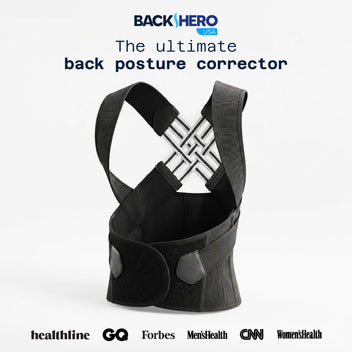
Back Hero USA Posture Corrector for Women & Men designed to heal, relieve upper back pain, and correct poor...
How Common Is Kyphosis?
Kyphosis is relatively common and can affect people of all ages. Around less than 8% of school-aged children in the United States develop Scheuermann’s kyphosis, a condition that typically appears during adolescence.
In adults, especially those over 60, hyperkyphosis—a more pronounced forward curvature of the upper spine—affects an estimated 20% to 40% of individuals. As people age, the natural curvature of the upper spine tends to increase by about 3 degrees per decade, making age-related kyphosis more prevalent among seniors.
What Are the Symptoms of Kyphosis?

The symptoms of kyphosis can range from mild postural changes to severe pain and physical limitations, depending on the degree of curvature. Recognizing these symptoms helps identify the best strategies for how to fix kyphosis:
Common symptoms include:
- Rounded shoulders or a visible hump in the upper back
- Noticeable forward posture
- Tightness in the hamstrings (back thigh muscles)
- Back or shoulder stiffness
In more severe cases, you may experience:
- Persistent back or shoulder blade pain
- Numbness, tingling, or weakness in the legs
- Fatigue and difficulty standing upright for long periods
- Trouble maintaining balance
- Bladder or bowel control issues
- Shortness of breath due to pressure on the lungs
What Causes Kyphosis?

The causes of kyphosis can vary widely depending on the type and severity of the condition. Understanding what causes kyphosis is essential to choosing the right treatment and preventing further progression. Knowing the cause is key to how to fix kyphosis effectively.
Poor Posture or Prolonged Slouching
One of the main reasons what causes kyphosis is poor posture. Postural kyphosis often develops in teenagers or office workers who sit for long periods.
Slouching overstretches the spinal ligaments and weakens the supporting muscles, gradually pulling the spine out of its normal alignment and creating a visible rounding of the upper back. Correcting posture is one of the first steps in how to fix kyphosis naturally.
Structural Deformities of the Spine
Structural abnormalities are another factor in what causes kyphosis. When vertebrae grow unevenly or in a wedge shape, as in Scheuermann’s kyphosis, the spine bends forward permanently. These changes are often genetic or appear during adolescent growth spurts.
Abnormal Bone Growth or Wedge-Shaped Vertebrae
Congenital kyphosis results from abnormal vertebral development before birth. Abnormal bone growth or fused vertebrae prevent the spine from maintaining its natural curvature, leading to a forward bend. This is a key consideration when identifying what causes kyphosis in children.
Spinal Injuries or Fractures
Trauma to the spine, such as a vertebral compression fracture, can also cause kyphosis. This is common in older adults with osteoporosis, where weakened bones collapse under pressure, shortening the spinal column and creating a stooped posture.
Degenerative Conditions and Aging
As people age, wear and tear on the spinal discs and joints—known as degenerative kyphosis—can gradually alter spinal alignment. Conditions like arthritis and osteoporosis weaken the vertebrae, causing them to compress and curve forward.
In some cases, kyphosis may also develop due to infections, tumors, or metabolic bone diseases that weaken spinal integrity. Understanding what causes kyphosis is crucial for effective management and preventing further progression.
Can Kyphosis Turn Into Scoliosis?
No, kyphosis does not turn into scoliosis. Although both affect spinal alignment, they are distinct conditions.
- Kyphosis involves a forward (front-to-back) curvature of the spine.
- Scoliosis involves a sideways (left-to-right) curvature.
While it’s possible for a person to have both conditions simultaneously, one does not cause the other.
How to Fix Kyphosis

The good news is that most cases of postural kyphosis can be corrected naturally through consistent exercises, proper ergonomics, and lifestyle adjustments. Here’s how to fix kyphosis effectively:
Corrective Exercises

Strengthening and stretching are the foundation of how to fix kyphosis. Focus on:
- Chin tucks: Aligns the head and neck.
- Wall angels: Strengthens the upper back and improves mobility.
- Thoracic extensions: Counteracts rounding of the upper back.
- Shoulder blade squeezes: Improves scapular stability and posture.
Perform these exercises daily for noticeable results within weeks.
Perform these exercises daily for noticeable results within weeks. These exercises are the first step in learning how to fix kyphosis naturally.
Stretch Tight Muscles
Tight chest and shoulder muscles often pull the spine forward. Gentle stretches such as the doorway stretch, child’s pose, and cat-cow yoga pose help open the chest and improve flexibility—an essential part of how to fix kyphosis.
Strengthen the Core and Glutes
A strong core supports the spine and promotes upright posture. Exercises like planks, bridges, and superman holds enhance spinal stability and are key in how to fix kyphosis effectively.
Use a Posture Corrector
Wearing a posture corrector brace can provide immediate feedback and alignment support, especially if you sit for long hours. This is a practical method of how to fix kyphosis, but it should be used moderately—15–30 minutes a day—to avoid muscle dependency.
For more details on how effective posture correctors can be, see Can a Posture Corrector Fix Kyphosis?
Adjust Ergonomics
Ensure your desk, chair, and screen are set at proper heights. Use lumbar support cushions and avoid looking down at your phone for extended periods. Ergonomic adjustments are an important step in how to fix kyphosis.
Using the correct seating setup is critical — learn more in What is the best sitting position for kyphosis?
Consistency is Key
Improving kyphosis takes time. Combine stretching, strengthening, posture correction, and ergonomic adjustments daily. Within 4–8 weeks, most people experience better posture, less pain, and greater confidence. This consistency is essential in learning how to fix kyphosis.
Medical Treatments for Kyphosis
Below are the most common medical approaches used to treat kyphosis and help in how to fix kyphosis when natural methods are insufficient.
Physical Therapy
Physical therapy is usually the first step in treating kyphosis, especially when detected early. A licensed physical therapist designs a customized exercise plan to:
- Strengthen the back extensor muscles that support the spine
- Improve core stability and flexibility
- Correct muscle imbalances that contribute to poor posture
Regular stretching and strengthening exercises reduce discomfort and are part of how to fix kyphosis medically.
Pain Management and Medication
For individuals experiencing back pain or stiffness, anti-inflammatory medications (like NSAIDs) and pain management therapies can provide relief. These treatments support overall plans for how to fix kyphosis by managing pain while exercising and correcting posture.
Posture Correctors

For mild or posture-related kyphosis, posture correctors offer an effective, non-invasive solution to retrain your body’s alignment. These wearable supports gently pull the shoulders back, align the upper spine, and encourage proper posture throughout the day. Over time, they help muscles “learn” the correct position—key in how to fix kyphosis naturally.
One highly recommended option is Back Hero USA Posture Corrector, designed specifically for people who experience rounded shoulders or forward neck posture from long hours of sitting, desk work, or screen use. Using it consistently is part of how to fix kyphosis for office workers and students.
Key Features of Back Hero USA Posture Corrector:
- Ergonomic Design: Crafted to fit comfortably under or over clothing without restricting movement.
- Adjustable Straps: Allows you to customize the tightness and level of support to match your body type.
- Breathable Material: Made from lightweight, skin-friendly fabric that keeps you cool and comfortable during daily wear.
- Muscle Training Support: Encourages proper shoulder and back positioning, helping strengthen postural muscles over time.
- Everyday Use: Ideal for office workers, students, and anyone who spends long hours sitting or standing.
Using a posture corrector like Back Hero USA Posture Corrector can relieve tension in the neck, shoulders, and upper back while preventing postural kyphosis from worsening. For best results, it should be used alongside stretching, strengthening exercises, and regular movement breaks. It’s an effective strategy in how to fix kyphosis when combined with exercise and stretching.
Improving posture and back strength is a primary method of correcting postural kyphosis. If you need tips specifically for sleeping posture while healing your spine, check out How to Fix Kyphosis While Sleeping: Expert Tips for Better Posture
Surgical Treatment
When kyphosis is caused by severe deformities, spinal fractures, or congenital abnormalities, surgery may be required. The most common procedure is spinal fusion, which realigns and stabilizes the spine by connecting affected vertebrae with metal rods, screws, or bone grafts. Surgery is generally reserved for cases involving:
- Severe pain unresponsive to other treatments
- Nerve compression
- Breathing difficulties or reduced mobility
Surgery is sometimes the only solution for how to fix kyphosis in severe structural cases. While it can improve posture and function, it carries risks and should be considered after evaluation by a spine specialist.
How to Prevent Kyphosis
Prevention starts with maintaining healthy posture and spinal strength throughout life.
- Stay active: Engage in regular stretching, yoga, or pilates to strengthen back and core muscles.
- Practice good posture: Keep your shoulders back, chin tucked, and spine neutral whether standing or sitting.
- Use ergonomic furniture: Adjust your chair and monitor height to reduce slouching.
- Take breaks: Avoid sitting for long periods—stand, stretch, and move every 30 minutes.
- Maintain bone health: Eat calcium- and vitamin D-rich foods to prevent osteoporosis-related kyphosis.
- Monitor children’s posture: Encourage kids to sit upright and carry backpacks evenly to prevent spinal curvature.
Consistent attention to these habits can prevent kyphosis or stop it from worsening with age.
When to See a Doctor
You should see a doctor if your back curvature seems to be getting worse, if you experience chronic pain, numbness, or breathing difficulties.
Seek medical advice immediately if the hunchback appearance affects your confidence, mobility, or daily activities—early evaluation can prevent further spinal complications.
Conclusion
Kyphosis may look intimidating, but most cases can be managed or reversed through posture correction, exercise, and professional care. By following the steps outlined in this guide, Back Hero USA encourages you to take control of your posture—because a healthy spine means a more confident, pain-free life.
Frequently Asked Questions
1. Can kyphosis be fully corrected?
Yes, postural kyphosis can often be fully corrected with consistent exercises and ergonomic adjustments. Structural kyphosis may require medical treatment.
2. How long does it take to fix kyphosis?
Most people see visible improvements within 4–8 weeks of consistent exercise and posture correction.
3. Is kyphosis painful?
Mild kyphosis may not cause pain, but severe curvature can lead to back stiffness, muscle tension, and discomfort.
4. Can posture correctors fix kyphosis permanently?
They help train the spine to maintain proper alignment but should be combined with strengthening exercises for lasting results.
5. Does kyphosis get worse with age?
If left untreated, kyphosis can worsen due to muscle weakness, poor posture, or degenerative changes. Early intervention prevents progression.
6. Is Kyphosis Genetic?
Some types of kyphosis have a genetic link. Scheuermann’s kyphosis often runs in families and affects how the vertebrae form during growth. However, postural and age-related kyphosis are usually caused by lifestyle habits or spinal degeneration, not heredity.
7. Is Kyphosis Reversible?
It depends on the type and severity. Postural kyphosis can often be corrected with posture training, exercise, and physical therapy. Structural or congenital kyphosis, however, may not be fully reversible but can be managed through medical treatments to prevent worsening.
8. Can a Chiropractor Fix Kyphosis?
Chiropractors can help ease pain and improve flexibility in mild to moderate kyphosis through spinal adjustments and posture exercises. However, they cannot correct structural deformities. Severe cases should be evaluated by a spine specialist.
9. How to Sleep with Kyphosis?
Sleep on your back with a thin pillow under your head and a small cushion under your knees to support spinal alignment. Avoid stomach sleeping, as it strains the neck and back. A firm mattress and orthopedic pillow can also help maintain comfort and posture.

