

Can bad posture cause a stroke? While poor posture isn’t a direct cause of stroke, it can contribute to conditions that elevate stroke risk. Forward head posture or prolonged neck bending may affect blood flow through the carotid arteries, potentially impacting circulation to the brain. Over time, this can increase the likelihood of vascular strain, poor oxygen delivery, and related complications linked to stroke risk.
In this guide, Back Hero USA will explain the connection between posture and stroke risk, explore how spinal alignment influences circulation and neurological health, and share practical tips to improve posture, support spinal balance, and protect long-term vascular wellbeing.
In this article
What is Bad Posture?
Bad posture refers to the misalignment of the spine, neck, and shoulders that can occur when sitting, standing, or sleeping. Common signs include rounded shoulders, forward head position, slouched sitting, and a curved upper back (kyphosis).
Poor posture often develops gradually due to long hours of desk work, phone use, or improper ergonomics. If you’ve ever asked yourself can bad posture cause a stroke, understanding these misalignments is the first step.
Over time, it can lead to muscle imbalance, joint strain, and reduced blood flow. Recognizing what constitutes bad posture helps you correct it early and minimize health risks associated with prolonged spinal misalignment — including those connected to the question, can bad posture cause a stroke.
Understanding Stroke
A stroke occurs when blood flow to the brain is interrupted, either due to a clot (ischemic stroke) or a burst blood vessel (hemorrhagic stroke). This can damage brain tissue, leading to serious health consequences including paralysis, speech difficulties, and cognitive impairment. Risk factors include high blood pressure, smoking, diabetes, obesity, and cardiovascular disease.
While posture itself isn’t a direct cause, chronic poor posture can influence some of these factors, such as blood flow and cardiovascular health, which may indirectly increase the likelihood of stroke over time. For people concerned about can bad posture cause a stroke, this connection is key.
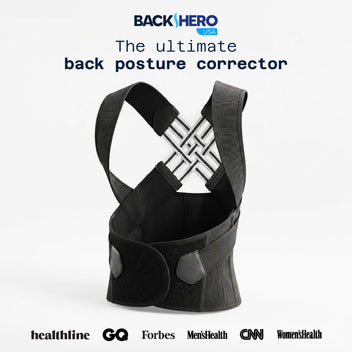
Back Hero USA Posture Corrector for Women & Men designed to heal, relieve upper back pain, and correct poor...
Can Bad Posture Cause a Stroke?
Bad posture doesn’t directly cause a stroke, but it can indirectly increase several risk factors that make one more likely. Poor spinal alignment can restrict blood flow, reduce oxygen to the brain, and create chronic neck and shoulder tension.
Over time, this tension may raise blood pressure and compress blood vessels in the neck, affecting circulation. Sedentary habits linked to poor posture can also lead to obesity, high cholesterol, and cardiovascular strain—all key stroke risks.
Maintaining proper alignment, staying active, and supporting spinal health can help reduce these risks and promote better overall vascular health.
How Poor Posture Increases Stroke Risk
Poor posture affects more than just musculoskeletal health—it can have significant implications for cardiovascular and neurological function. Here’s how can bad posture cause a stroke through its effects on your body:
Reduced Blood Flow
Slouched or forward head posture compresses the neck and chest, which can restrict blood flow through the carotid arteries and veins. Over time, reduced circulation can increase the risk of vascular issues, including blood clots or atherosclerosis, which are major contributors to ischemic stroke.
Increased Blood Pressure
Chronic poor posture may lead to tension in the shoulders, neck, and upper back muscles. This constant strain can trigger the sympathetic nervous system, temporarily raising blood pressure. Over months or years, these repeated spikes may contribute to hypertension, a leading cause of stroke.
Spinal Misalignment
Kyphosis or scoliosis changes the natural curvature of the spine, which can affect nerve signaling and circulation. Misalignment can impair oxygen and nutrient delivery to the brain, increasing vulnerability to neurological issues.
Sedentary Behavior
Bad posture is often linked with prolonged sitting and reduced physical activity. Sedentary lifestyles are associated with obesity, diabetes, and heart disease, all of which elevate stroke risk — and help explain why people ask, can bad posture cause a stroke.
Respiratory Limitations
Slouched posture restricts lung capacity, reducing oxygen intake. Lower oxygenation affects overall brain health and may indirectly contribute to stroke risk over time.
By addressing these issues, individuals can reduce the physiological strain caused by poor posture and lower their long-term risk for stroke and other vascular diseases.
7 Tips to Improve Posture and Reduce Health Risks

Improving posture is not just about aesthetics—it is a vital step to reduce stroke risk and enhance overall health. Here are practical strategies to minimize the concerns tied to can bad posture cause a stroke:
Ergonomic Workstations
Creating an ergonomic workstation helps maintain spinal alignment and reduces strain on your neck and back. Keep your monitor at eye level, your elbows at a 90-degree angle, and your feet flat on the floor.
Use an adjustable chair with Back Hero USA Lumbar Support Cushion or Pressure Relief Seat Cushion to maintain your spine’s natural curve. Proper ergonomics prevent slouching, improve circulation, and minimize fatigue during long work hours.
Strengthen Postural Muscles
Strong postural muscles are key to maintaining an upright, healthy spine. Focus on strengthening the upper back, shoulders, and core with exercises like planks, rows, and shoulder blade squeezes. These movements stabilize your spine, improve balance, and reduce muscular tension or misalignment.
Consistent strengthening helps correct rounded shoulders and prevents posture-related discomfort that might contribute to can bad posture cause a stroke risks.
Stretch Daily
Stretching daily helps relieve stiffness and promotes flexibility in muscles that commonly tighten from poor posture. Focus on gentle stretches for the neck, chest, and spine, such as cat-cow, doorway chest openers, or neck tilts. Regular stretching improves mobility, reduces muscle tension, and supports proper blood flow to the spine and surrounding tissues, enhancing posture and overall comfort.
Frequent Movement
Long periods of sitting can cause muscle fatigue, stiffness, and poor circulation. To counter this, move or stretch every 30–45 minutes. Short walks, light stretching, or even standing breaks help keep blood flowing and reduce tension buildup. Frequent movement supports cardiovascular health, prevents postural strain, and encourages your body to maintain natural alignment throughout the day.
Posture Corrector
Using a posture corrector is one of the most effective ways to retrain your body to maintain proper alignment throughout the day. The Back Hero USA Posture Corrector is specially designed to support your neck, shoulders, and upper back, promoting a natural, upright posture without restricting movement.
This posture corrector gently encourages correct spinal alignment, helping reduce slouching, shoulder rounding, and tension caused by poor posture. Its ergonomic design ensures comfort during long hours of work or daily activities, making it ideal for office workers, students, and anyone spending extended time on screens.
Key Features of Back Hero USA Posture Corrector
- Ergonomic Design: Gently supports neck and upper back alignment to reduce slouching.
- Adjustable Straps: Customizable fit for all body types.
- Lightweight & Breathable: Comfortable for all-day wear.
- Discreet Design: Can be worn under clothing.
- Muscle Training Support: Encourages long-term posture correction.
- Sizes & Colors: Available in S–2XL, Black option
By consistently applying these strategies, you can improve posture, enhance circulation, support spinal health, and reduce long-term stroke risk.
See more:
How to Use A Posture Corrector
How Often Should You Wear a Posture Corrector?
How Long Does It Take for a Posture Corrector to Show Results?
Conclusion
So, can bad posture cause a stroke? While it doesn’t directly cause a stroke, it can increase risks like poor circulation and hypertension. Maintaining alignment, exercising, and using Back Hero USA’s posture correction products can improve spinal health, enhance blood flow, and reduce tension. Small daily posture improvements support overall wellbeing and lower long-term stroke risk.
Frequently Asked Questions
1. Can bad posture really affect my risk of stroke?
Poor posture can indirectly increase stroke risk by affecting circulation, blood pressure, and cardiovascular health, though it doesn’t directly cause stroke.
2. Which posture is best for spinal and vascular health?
Sitting and standing with a straight back, shoulders relaxed, and head aligned with the spine promotes both spinal and vascular health.
3. How often should I take breaks from sitting?
Aim to move or stretch every 30–45 minutes to improve circulation and reduce muscle tension.
4. Can stretching and exercise lower stroke risk?
Yes, strengthening and stretching key postural muscles supports proper alignment, reduces tension, and improves blood flow, contributing to lower stroke risk.
5. What sleep position is recommended to support posture?
Sleeping on your back with proper pillow support under the neck and knees is ideal for spinal alignment and circulation.

